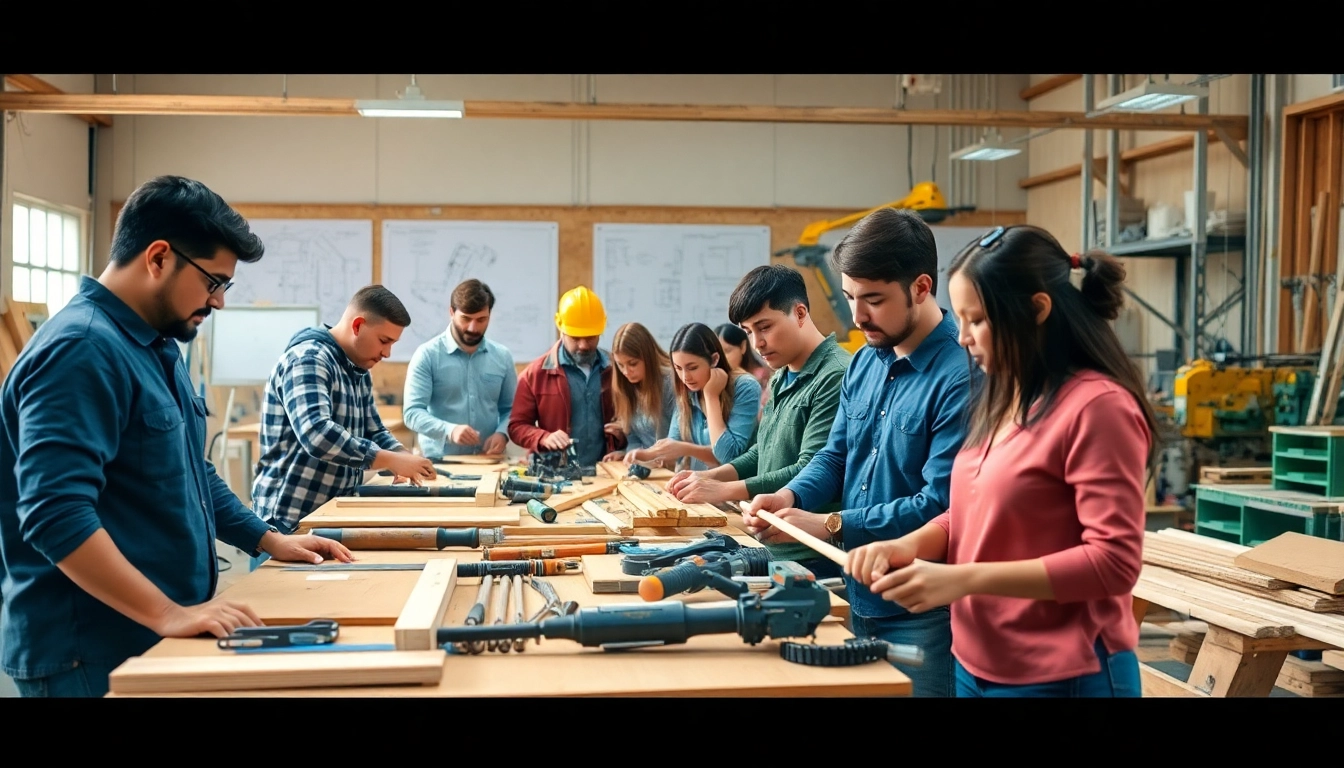

Understanding Construction Education
Definition of Construction Education
Construction education is a specialized field that imparts essential knowledge and skills necessary for the construction industry. It encompasses a range of topics, including project management, architectural design, building codes, safety regulations, and sustainable practices. This educational domain caters not only to aspiring architects and engineers but also to various tradespeople, project managers, and safety inspectors who play critical roles in delivering quality construction projects.
Importance of Construction Education
The role of education in construction cannot be overstated. With the construction industry facing rapid developments due to technology and evolving regulations, a well-structured educational framework ensures that professionals are equipped with current knowledge and skills. Moreover, investing in construction education leads to enhanced productivity, improved safety standards, and a higher quality of work. It also empowers individuals to have better career prospects, fostering a skilled workforce prepared to tackle the complexities of modern construction.
Overview of Educational Pathways
Educational pathways in construction include various programs such as diplomas, associate degrees, bachelor’s degrees, and certifications. Many institutions offer tailored courses focusing on field specialties, like carpentry, plumbing, or electrical work. Online courses and workshops also provide flexibility for working professionals to upgrade their skills. Transitioning into specialized roles often necessitates continued education and on-the-job training, underscoring the dynamic nature of the construction field.
Key Components of Effective Construction Education
Curriculum Structure and Content
An effective construction education program must have a well-structured curriculum that reflects the demands of the industry. Core subjects typically include safety management, project scheduling, cost estimation, building materials, and construction law. Integrating practical case studies and real-world applications allows students to understand theoretical knowledge’s relevance and applicability.
Practical Training Opportunities
Hands-on training is crucial in construction education, providing students with the chance to apply their theoretical knowledge in real-life scenarios. This could be through internships, co-op programs, or simulations in controlled environments. Successful practical training enhances competencies and builds confidence among learners, ensuring they are job-ready upon graduation.
Industry Partnerships and Collaborations
Collaborations with industry stakeholders are pivotal for creating a robust construction education framework. Partnerships with construction firms, industry experts, and trade associations can offer students invaluable insights and opportunities through guest lectures, workshops, and job placement assistance. These relationships also help educators keep the curriculum up-to-date with industry trends, ensuring students learn the most relevant skills.
Challenges in Construction Education
Addressing Skills Gap in the Industry
The construction industry often faces a notable skills gap, with many positions going unfilled due to a lack of qualified candidates. Educational institutions must adapt their programs to meet the evolving needs of the market. By continually conducting labor market assessments, schools can adjust their offerings to ensure that graduates have the skills most in-demand by employers.
Financial Barriers to Education
Financial constraints can be a significant barrier for many aspiring students seeking a career in construction. Tuition fees, materials, and other associated costs can deter potential candidates. To mitigate this, educational institutions can offer scholarships, grants, and flexible payment plans. Additionally, promoting apprenticeship programs that combine paid work with education can provide a viable path for many learners.
Staying Current with Technology Trends
The construction industry is rapidly evolving, significantly driven by technological advancements. Staying current with these trends is essential for educational programs to remain relevant. This includes integrating technologies such as Building Information Modeling (BIM), drone usage, and virtual reality simulations into the curriculum. Continuous professional development for educators themselves is also vital to ensure they can effectively impart knowledge about these technologies.
Best Practices for Construction Education Programs
Engaging Learning Techniques
Using diverse teaching methods can significantly enhance student engagement. Incorporating project-based learning, where students work on real-life projects, helps them understand how classroom lessons apply in the field. Additionally, interactive activities such as workshops, field trips, and simulations can be instrumental in maintaining student interest and improving retention rates.
Accreditation and Quality Standards
Ensuring that construction education programs meet established accreditation and quality standards is crucial for maintaining credibility and ensuring that graduates are competent and employable. Accreditation by recognized bodies provides assurance to students and employers regarding the quality of education. Ongoing assessments and quality improvement processes should be in place to align with industry benchmarks.
Feedback and Continuous Improvement
Feedback mechanisms from students, faculty, and industry partners can provide valuable insights into the effectiveness of educational programs. Regular surveys, assessments, and advisory committees made up of industry professionals can help identify areas for improvement. Using this feedback to refine curriculum, teaching methods, and training opportunities is essential for evolving educational practices in construction.
Future of Construction Education
Emerging Trends in Education Technology
Educational technology trends are shaping how construction education is delivered. Online learning platforms, augmented reality (AR), and virtual classrooms are increasingly utilized, making education more accessible and flexible. The use of simulations and AR for training in construction allows students to practice skills in safe, controlled environments, significantly enhancing the learning experience.
Predicted Industry Developments
As the construction industry progresses, there will be a growing demand for sustainability and green building practices. Future education programs are expected to incorporate these subjects more comprehensively, ensuring that graduates understand environmentally responsible practices and can contribute to sustainable construction projects.
Building a Skilled Workforce for Tomorrow
Developing a skilled workforce requires collaborative efforts between educational institutions, industry stakeholders, and government organizations. Promoting STEM education and career awareness at early educational levels can inspire future generations to pursue careers in construction. Research shows that early intervention can lead to increased enrollment in technical programs and build a pipeline of skilled professionals for the future.
Frequently Asked Questions
What is construction education?
Construction education refers to training programs that teach skills and knowledge needed in the construction industry, including project management, safety, and technical skills.
Why is construction education important?
It is crucial for maintaining industry standards, enhancing workforce skills, ensuring safety, and improving overall project quality and productivity.
What types of programs are available in construction education?
Programs vary from diplomas and certificates to associate and bachelor’s degrees, offering specialized training in various construction fields.
How can I overcome financial barriers to construction education?
Options include scholarships, grants, work-study programs, and apprenticeships, which provide both education and financial support.
What are the key challenges in construction education?
Challenges include skills gaps, financial barriers, technological advancements, and maintaining curriculum relevance to industry needs.