
Introduction to Construction Classes
In the ever-evolving realm of construction, the demand for skilled professionals is at an all-time high. This shift creates a unique opportunity for individuals to enhance their career prospects through construction classes. These educational programs provide essential training that equips learners with the practical skills and knowledge necessary to excel in various construction fields, paving the way for successful careers.
What Are Construction Classes?
Construction classes encompass a wide range of educational programs aimed at teaching students essential skills in the construction industry. These courses can include hands-on training in carpentry, plumbing, electrical work, masonry, and more. They offer theoretical knowledge integrated with practical application, which is crucial for developing a comprehensive understanding of the construction process from start to finish.
Importance of Construction Skills in Today’s Job Market
As populations grow and infrastructure demands increase, the need for qualified construction professionals continues to expand. Construction skills are not just a pathway to immediate employment; they play a fundamental role in the broader economy. The construction sector contributes significantly to job creation and revenue generation. Furthermore, as new technologies and building practices emerge, workers with up-to-date skills are in higher demand, making construction classes a vital stepping stone for anyone looking to enter this lucrative field.
Overview of Various Types of Construction Classes
Construction classes can be classified into several categories, each targeting different skill sets and career paths:
- Trade Skills: These include specialized courses in electrical, plumbing, or HVAC systems, focusing on technical skills needed for specific trades.
- General Construction: Classes in this category cover the basics of building, including framing, roofing, and materials used in construction.
- Project Management: For those wanting to lead projects, these classes teach skills in budget management, scheduling, and team coordination.
- Blueprint Reading: Essential for carpenters and builders, these classes focus on interpreting architectural drawings and specifications.
Core Skills Developed in Construction Classes
Hands-On Building Techniques
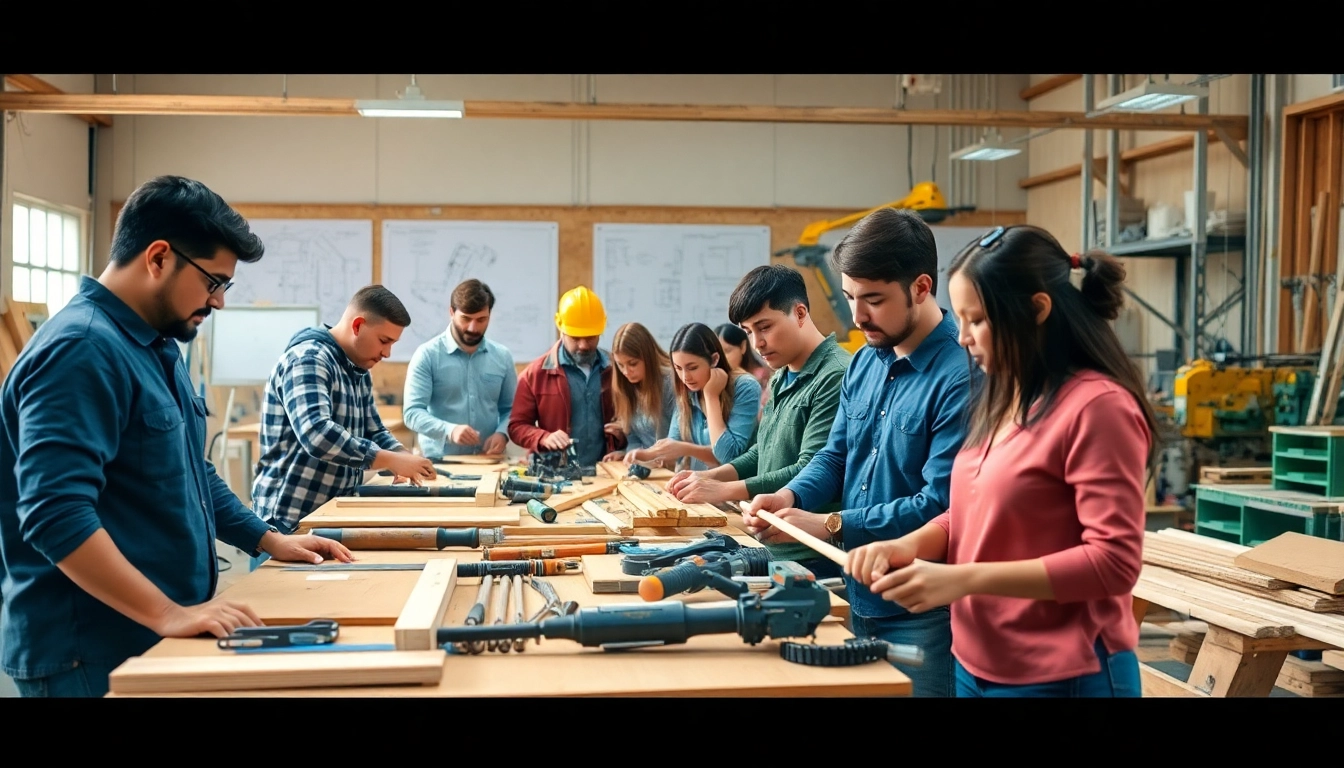
Construction classes emphasize hands-on learning, allowing students to engage directly with materials and tools. Building techniques are taught through practical projects that simulate real-world challenges. Students learn how to manipulate various building materials, use power tools safely, and execute construction processes under supervision. This hands-on experience not only builds confidence but also ensures that learners are job-ready upon completion of their courses.
Understanding Blueprint Reading and Design
Interpreting blueprints is a critical skill in the construction industry. Classes focused on blueprint reading teach students how to understand and work from architectural drawings. This includes recognizing symbols, measurements, and key elements that inform the construction process. A solid grasp of blueprint reading facilitates clear communication among team members and enhances project efficiency, reducing errors and rework.
Safety Protocols and Best Practices
Safety in construction cannot be overstated. Classes often include comprehensive training on adhering to safety protocols and regulations. Students learn how to identify hazards, use personal protective equipment (PPE), and implement best practices to minimize risks on job sites. Understanding safety procedures not only helps protect workers but also is a critical component of maintaining project schedules and budgets.
Choosing the Right Construction Classes
Factors to Consider When Selecting Classes
Choosing the right construction classes involves considering several factors:
- Accreditation: Ensure that the program is accredited by a recognized body to guarantee quality education.
- Instructor Expertise: Look for programs led by experienced professionals who have real-world construction experience.
- Class Size: Smaller class sizes often mean more personalized instruction and better access to hands-on training.
- Location: Select a facility that is conveniently located, especially if you prefer in-person classes.
Online vs. In-Person Learning Options
The choice between online and in-person learning depends on individual preferences and circumstances. Online classes offer flexibility, allowing students to learn at their own pace and schedule. However, in-person classes provide direct access to hands-on training with equipment and materials, which is invaluable in a field like construction. Blended options may also be available, combining both formats for a comprehensive educational experience.
Examining Course Curriculum and Structure
Before enrolling, reviewing the course curriculum is essential. A well-structured program should cover both foundational knowledge and specialized skills relevant to the current job market. Inquire about the types of projects included in the course, assessment methods, and additional resources such as internships or job placement services.
Real-World Applications of Construction Education
Career Opportunities for Graduates
Graduates of construction classes have a wide array of career opportunities available to them. Potential roles include:
- Construction Manager
- Site Supervisor
- Skilled Tradesperson (Electrician, Plumber, Carpenter)
- Estimator
- Architectural Draftsperson
These positions often offer competitive salaries and pathways for advancement within the construction industry.
Case Studies of Successful Projects
Successful construction projects often serve as learning experiences, showcasing best practices gained through education. For instance, collaborative large-scale developments benefit from the practical skills of graduates, illustrating the real-world impact of quality construction education. Documenting these projects can provide students with valuable insights into how theoretical learning translates into practical application.
Integration of Technology in Construction Practices
The construction industry is rapidly adopting new technologies, such as Building Information Modeling (BIM), project management software, and advanced machinery. Construction classes that incorporate these technologies prepare students for modern job requirements, enabling them to adapt quickly to an evolving landscape. Familiarity with digital tools can enhance project precision, efficiency, and collaboration among teams.
FAQs about Construction Classes
What prerequisites are needed for construction classes?
Most construction classes require a high school diploma or equivalent. Some courses may have specific skill tests or prior experience prerequisites, especially in advanced studies.
How long does it take to complete construction classes?
Completion time varies by program; typically, courses range from a few weeks to several months, depending on the depth of training and whether they are full-time or part-time.
Can I take construction classes online?
Yes, many institutions offer online construction classes that allow flexibility and remote learning while still providing essential theoretical knowledge.
What types of certifications can I earn from construction classes?
Students can earn various certifications, including OSHA safety training, trade-specific licenses, and completion certificates that enhance their employability in the construction field.
Are there job placement services available after taking classes?
Many reputable construction training programs offer job placement services, assisting graduates in finding job opportunities and connecting them with industry employers.