Understanding the Cape Cod Home Style
The cape cod home style is a cherished architectural form that has earned its place in American history. Originating in the early colonial period, this style embodies simplicity and functionality, making it a favorite among homeowners seeking a blend of traditional charm and modern conveniences. This article delves deeply into the key features, historical significance, and popular variations of Cape Cod homes. By the end, you will have a comprehensive understanding of what makes this architectural style unique and appealing.
Key Features of Cape Cod Homes
Cape Cod homes are characterized by several distinct features that not only contribute to their aesthetic appeal but also their functionality. Key elements include:
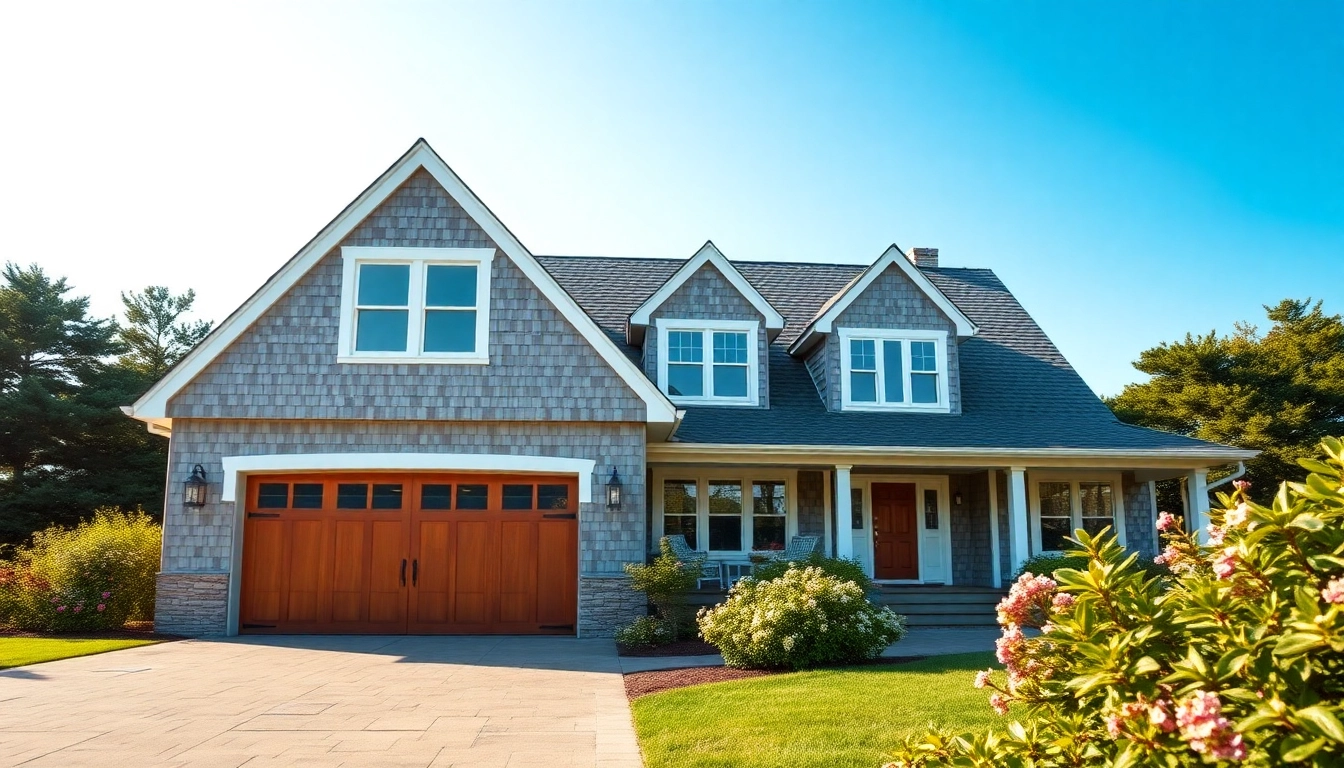
- Steep Roofs: The rooflines of Cape Cod homes are steeply pitched, typically forming a triangle at the peak. This design allows for better snow runoff, which is essential in the northeastern climates where these homes gained prominence.
- Symmetrical Facades: The layout of Cape Cod homes is typically symmetric, often featuring a centrally placed front door flanked by evenly spaced windows. This balanced approach enhances their visual harmony.
- Dormer Windows: Dormers are a significant feature, providing additional natural light to the upper floor. They add character while also improving the functionality of the attic space.
- Wood Siding: Traditionally, Cape Cod homes are clad in wood siding, often painted in muted colors. This choice not only complements the coastal environment but also ensures durability in harsh weather.
- Chimneys: Prominent chimneys are often centrally located, reflecting the historical importance of fireplaces for heating the homes in colder months.
Historical Significance and Evolution
The Cape Cod home style traces its roots back to the early 17th century, with its design emerging from the necessity of sheltering early settlers from harsh weather conditions. The simplicity of these homes is a direct reflection of the colonists’ values—functionality over extravagance. Over the centuries, the Cape Cod home has evolved, incorporating modern building materials and techniques while retaining its iconic features.
During the 20th century, there was a resurgence in Cape Cod architecture, particularly as people sought more rustic and nostalgic home designs. The post-World War II period saw these homes being adapted for suburban settings, which further popularized the style across the nation.
Popular Variations of Cape Cod Homes
Today, Cape Cod homes come in various iterations, appealing to different preferences and needs. Some popular variations include:
- Modified Cape Cod: This variation includes enhancements such as larger porches, expansive windows, or additional stories, providing more space while maintaining the classic charm.
- Contemporary Cape Cod: Integrating modern elements such as open floor plans and minimalist designs, contemporary Cape Cod homes blend traditional aesthetics with current lifestyle demands.
- Cape Cod Bungalow: A fusion of Cape Cod and bungalow styles, these homes often feature broader overhangs and extensive decks, enhancing outdoor living spaces.
- Luxury Cape Cod: These homes often incorporate high-end materials and elaborate landscaping, appealing to those looking for a more opulent interpretation of the traditional design.
Design Elements for Your Cape Cod Home
Designing a Cape Cod home requires a thoughtful approach to both traditional and modern aesthetics. It’s essential to incorporate key design elements that reflect the authentic style while accommodating contemporary lifestyles.
Incorporating Traditional Materials
To maintain the classic charm of a Cape Cod home, traditional materials should be prioritized. Timber is an excellent choice for roofing and siding, as it offers durability and a natural look. Cedar shake shingles or clapboard siding, painted with weather-resistant colors, can enhance the home’s coastal theme while ensuring longevity.
Additionally, using stone or brick in the foundation or chimney provides a sturdy, rustic element that complements wooden aspects beautifully. Ensuring that these materials fit within the local environment is also crucial for aesthetic balance.
Modern Touches for Timeless Style
While it is important to respect the traditional elements of Cape Cod architecture, introducing modern touches can create a perfect marriage of old and new. Consider installing large picture windows to allow natural light to flood living spaces, or incorporating open-plan designs that promote seamless indoor-outdoor living.
Smart home technologies can also be integrated without detracting from the home’s character. Features like energy-efficient heating, cooling systems, and smart security can enhance comfort while contributing to sustainability, aligning well with modern homeowner values.
Landscaping Ideas for Coastal Charm
The landscaping around a Cape Cod home should reflect its coastal roots. Consider using native plants that require minimal irrigation, such as beach grass, lavender, and ornamental grasses. These plants not only enhance the natural beauty of the home but also contribute to local biodiversity.
Natural stone pathways leading to short, inviting porches can also add charm. Incorporating outdoor seating areas encourages relaxation while allowing residents to enjoy the coastal climate. Additionally, high-quality outdoor lighting can create an inviting ambiance for evening gatherings.
Practical Considerations for Building a Cape Cod Home
Transitioning from vision to reality requires a firm grasp of the practical considerations involved in designing and building a Cape Cod home. Ensuring adherence to local codes and understanding environmental impacts will lead to a smoother building process.
Planning and Zoning Regulations
Understanding the local planning and zoning regulations is crucial before starting construction on your Cape Cod home. Regulations may dictate building heights, setbacks, and the overall architectural style required in certain neighborhoods. Consulting with a local architect who specializes in Cape Cod design can streamline this process, ensuring compliance while still achieving your vision.
For those looking to expand or remodel existing structures, it’s essential to be aware of historical preservation rules that may affect renovations in certain areas.
Choosing the Right Location
The location of your Cape Cod home can significantly influence its comfort and functionality. When selecting a site, consider factors such as proximity to the coast, access to amenities, and the natural landscape. Areas prone to flooding or harsh winds may require additional structural precautions.
Consulting with a land planner can help determine the best positioning for your home to take advantage of views, sunlight, and natural protection from the elements.
Budgeting for Your Dream Home
Budgeting accurately is key to bringing your Cape Cod home to life. Costs can vary widely based on location, materials, and design complexity. Establish a clear budget that includes not only construction costs but also design fees, landscaping, and permits.
Additionally, it’s wise to set aside a contingency fund for unexpected expenses that often arise during the building process. This proactive approach can reduce stress and ensure timely completion.
Enhancing Functionality with an Attached Garage
An attached garage can enhance the functionality of your Cape Cod home, providing convenience and additional storage space. The design of the garage should harmonize with the home while integrating practical solutions to maximize its use.
Designing a Seamless Transition
To create a seamless transition between your Cape Cod home and the attached garage, focus on design elements that tie the two spaces together. Use matching materials and colors to ensure visual cohesion. Construct a shared roofline or overhang to bridge the gap between the structures and enhance the architectural integrity.
Additionally, consider incorporating internal access points that enhance flow, such as a mudroom or direct entry from the garage to the kitchen. These features not only improve convenience but also maintain the overall aesthetic harmony.
Storage Solutions and Space Planning
Storage solutions are essential in maximizing the functionality of your garage. Custom cabinetry, shelving, and pegboards can help organize tools and seasonal items, preventing clutter accumulation. Designing a workshop area within the garage may also appeal to DIY enthusiasts or those needing extra workspace.
Utilizing vertical space through tall shelving units or ceiling-mounted storage can also enhance functionality without eating away at floor space, leading to a cleaner and more organized environment.
Eco-Friendly Garage Options
Emphasizing sustainability in your garage design not only benefits the environment but can also enhance the overall appeal of your Cape Cod home. Consider installing solar panels on the garage roof to provide clean energy for your home. Additionally, using recycled or sustainable materials for construction can reduce your carbon footprint and appeal to eco-conscious buyers.
Incorporating rainwater collection systems into the garage design can also promote sustainability while providing natural irrigation for your landscaping.
FAQs About Cape Cod Homes
What are the defining architectural features of a Cape Cod home?
Cape Cod homes typically feature steep roofs, symmetrical facades, and dormer windows, reflecting colonial New England architecture.
How do I incorporate modern amenities into a Cape Cod home?
Blend traditional aesthetics with modern technology by using energy-efficient appliances and integrating smart home systems.
What is the average cost to build a Cape Cod home?
Costs vary widely based on location and materials but generally range from $150 to $300 per square foot.
Can I customize a Cape Cod home design?
Yes, many builders offer customizable plans to fit your needs while retaining the classic Cape Cod aesthetic.
What are essential landscaping tips for a Cape Cod home?
Incorporate native plants, use natural stone pathways, and create outdoor seating areas to complement your coastal home.