
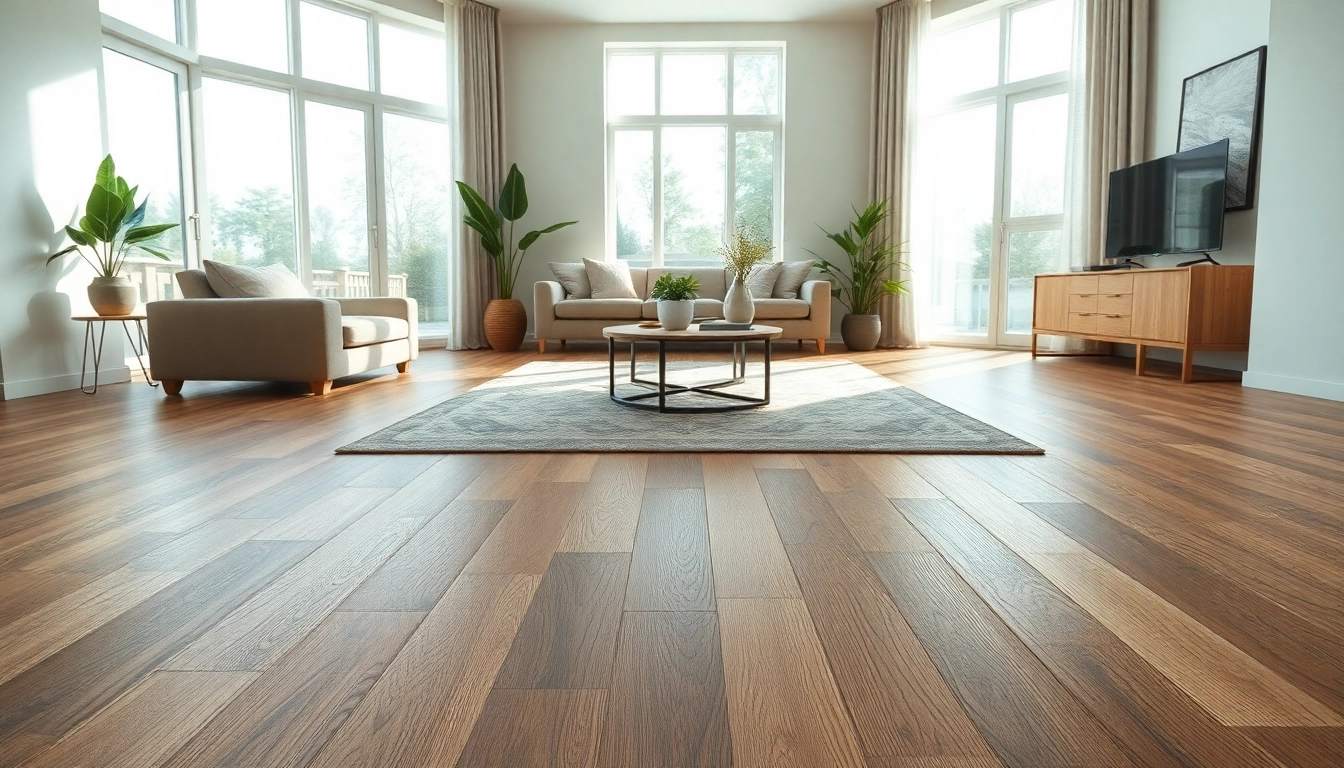
Understanding Vinyl Flooring
What is Vinyl Flooring?
Vinyl flooring is a synthetic flooring option made from polyvinyl chloride (PVC) and other compounds. It is designed to mimic the look of natural materials such as hardwood, stone, or tile at a fraction of the cost. This versatile flooring choice has gained popularity in both residential and commercial settings due to its durability, style options, and ease of maintenance. With advancements in technology, modern vinyl flooring can provide incredibly realistic textures and visuals, making it a sought-after option for homeowners and property managers alike.
Types of Vinyl Flooring Available
There are several types of vinyl flooring available in the market, catering to different preferences and installation needs:
- Vinyl Sheet Flooring: This flooring comes in large, continuous sheets and is ideal for spaces with minimal seams. It offers good moisture resistance and is often used in bathrooms and kitchens.
- Vinyl Plank Flooring: Designed to resemble hardwood, this option features planks that snap together. It’s suitable for a variety of applications and can be installed over most substrates.
- Vinyl Tile Flooring: These interlocking tiles mimic the look of ceramic or stone tiles, offering easier installation and maintenance.
- Luxury Vinyl Tile (LVT): This premium option provides more design variations and better performance characteristics, making it ideal for high-traffic areas.
Benefits of Vinyl Flooring
Vinyl flooring offers numerous advantages that make it an attractive choice for homeowners:
- Affordability: Compared to hardwood and stone, vinyl flooring is generally a more budget-friendly option.
- Durability: Vinyl can withstand heavy foot traffic and is resistant to scratches, stains, and moisture.
- Comfort: Being softer underfoot, vinyl flooring provides a more comfortable walking surface.
- Easy Maintenance: Regular sweeping and occasional mopping keep vinyl floors looking fresh.
- Wide Range of Designs: Vinyl flooring is available in a multitude of colors, textures, and styles, allowing for creative design possibilities.
Choosing the Right Vinyl Flooring for Your Space
Factors to Consider When Selecting Vinyl Flooring
When selecting vinyl flooring, consider the following factors:
- Room Use: High-traffic areas may benefit from thicker, more durable options.
- Moisture Levels: Bathrooms and kitchens should prioritize water-resistant options.
- Aesthetic Preferences: Choose designs that complement your interior décor and color schemes.
- Installation Type: Determine whether you want a DIY project or prefer professional installation.
Comparing Different Styles and Textures
Modern vinyl flooring is available in various styles and textures that can match any design aesthetic. For instance:
- Wood-Look Vinyl: Perfect for those who want a warm, natural look without the maintenance of real wood.
- Stone-Look Vinyl: Ideal for creating a luxurious feel without the coldness of real stone.
- Patterned Vinyl: Offers bold designs and can add character to any space.
How to Measure Your Space Accurately
Accurate measurements are critical for a successful vinyl flooring installation. Follow these steps:
- Clear the area of all furniture and obstructions.
- Use a measuring tape to find the length and width of the room.
- Multiply the length by the width to get the square footage needed.
- Add an extra 10% to account for waste during installation.
Installation Process of Vinyl Flooring
Preparation Steps Before Installation
Proper preparation can make a significant difference in the installation process:
- Ensure the subfloor is clean, dry, and level.
- Remove any old flooring materials.
- Allow vinyl planks or tiles to acclimate to the room temperature for at least 48 hours.
DIY vs. Professional Installation: What to Choose?
Deciding between DIY and professional installation depends on your skill level and the complexity of the project:
- DIY: Suitable for those with basic skills and smaller projects. Many vinyl products feature a simple interlocking system.
- Professional: Recommended for larger installations or complex layouts, ensuring precise results and minimizing mistakes.
Common Installation Mistakes to Avoid
To avoid common pitfalls during installation:
- Don’t skip the acclimation process for vinyl planks.
- Ensure proper underlayment for added cushioning and moisture resistance.
- Avoid cutting corners on surface preparation, which can lead to uneven floors.
Maintenance Tips for Vinyl Flooring
Daily Cleaning and Care Instructions
Maintaining vinyl flooring is straightforward:
- Use a soft broom or vacuum to remove dirt and debris.
- Mop with a gentle cleaner specifically formulated for vinyl flooring.
- Do not use harsh chemicals or abrasive tools that could damage the surface.
How to Fix Scratches and Dents
For minor scratches and dents:
- Use a vinyl flooring repair kit to fill in scratches.
- If necessary, heat the dented area slightly, then apply pressure to restore shape.
Long-term Maintenance Practices
To ensure your vinyl floors last:
- Place area rugs in high-traffic spots to minimize wear.
- Regularly check for loose tiles or planks and reattach them as needed.
- Consider professionally stripping and waxing every few years to maintain a fresh look.
Cost Analysis of Vinyl Flooring
Average Costs of Vinyl Flooring Options
The cost of vinyl flooring varies based on materials and style. On average:
- Vinyl Sheet: $1 to $3 per square foot.
- Vinyl Plank: $2 to $5 per square foot.
- Luxury Vinyl Tile: $3 to $7 per square foot.
Budgeting for Installation and Maintenance
When budgeting, don’t forget to include installation costs, which typically range from $1 to $3 per square foot, and a maintenance fund for cleaning supplies and possible repairs.
Cost-Effective Tips to Save on Vinyl Flooring
To save money on your vinyl flooring project:
- Look for discounts or sales at flooring retailers.
- Consider buying excess flooring if it’s available at a lower cost.
- Opt for DIY installation if you’re comfortable with the tasks involved.
FAQs About Vinyl Flooring
1. How long does vinyl flooring last?
Vinyl flooring can last between 10 to 20 years with proper care and maintenance, depending on the quality and installation.
2. Is vinyl flooring waterproof?
While many vinyl flooring options are water-resistant, luxury vinyl can be fully waterproof, making it suitable for bathrooms and kitchens.
3. Can I install vinyl flooring over existing floors?
Yes, in most cases, you can install vinyl flooring over existing floors, provided the surface is level, clean, and dry.
4. How do I remove vinyl flooring?
To remove vinyl flooring, start by peeling it away from the corners, then use a floor scraper to remove any adhesive left behind on the subfloor.
5. What is the best way to clean vinyl flooring?
The best way to clean vinyl flooring is to regularly sweep or vacuum, followed by mopping with a mild detergent and water solution.