Understanding the Importance of a Fly Fishing Vest
When it comes to an enjoyable and efficient fly fishing experience, the right gear is fundamental. One piece of gear that often goes underappreciated is the fly fishing vest. Not only does it provide utility and comfort, but it also enhances your fishing efficiency by allowing easy access to essential tools and accessories.
What is a Fly Fishing Vest?
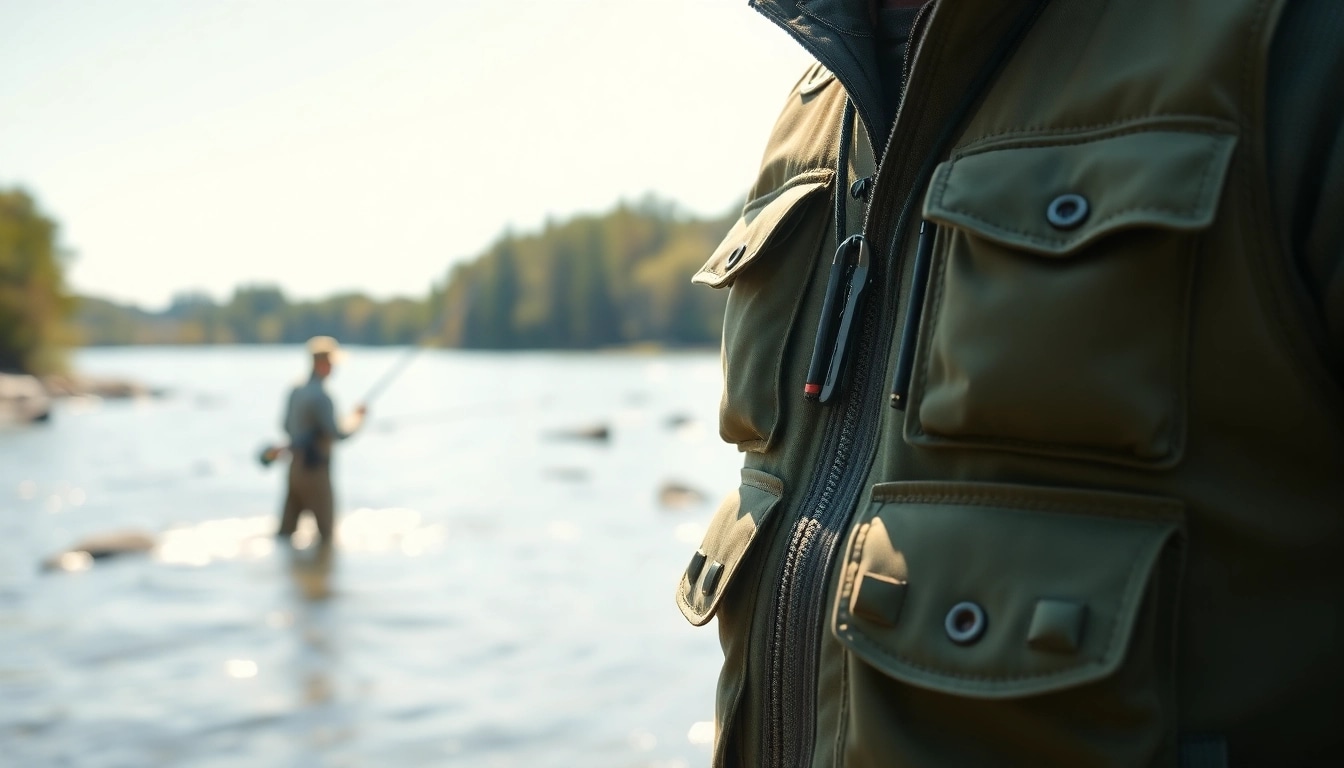
A fly fishing vest is a specially designed garment worn by anglers to store and organize fishing gear. These vests are typically made of lightweight, durable materials and feature multiple pockets to hold everything from fly boxes to tippet and leader spools. Unlike traditional backpacks, fly fishing vests offer the advantage of keeping gear close at hand, making it easy to switch out flies or access tools without rummaging through a bag.
Benefits of Using a Fly Fishing Vest
The benefits of a fly fishing vest extend beyond simple convenience. Firstly, vests distribute weight evenly across the upper body, reducing strain on the back and shoulders, which is especially beneficial during long days of fishing. Additionally, a well-equipped vest can improve your fishing success rate by allowing quick access to flies, tools, and other essentials. With the right vest, you can maintain focus on your casting and catch more fish.
Key Features to Look For in a Fly Fishing Vest
When selecting a fly fishing vest, consider features that enhance functionality and comfort:
- Pockets: Look for vests with large, easily accessible pockets. Mesh pockets are great for visibility and drainage, while larger pockets can store fly boxes and waterproof bags.
- Comfort: Opt for a vest made with breathable materials that fit comfortably without restricting movement.
- Adjustability: A good vest should have adjustable straps to ensure a snug fit, accommodating layers for different weather conditions.
- Weight: Lightweight vests reduce fatigue, enabling longer, more enjoyable fishing days.
- Attachment Points: D-rings and other attachment points are essential for hanging tools and other accessories.
Types of Fly Fishing Vests Available
Traditional Versus Modern Fly Fishing Vests
Traditional fly fishing vests were often made from heavier materials and featured a more limited number of pockets. Modern vests, however, incorporate advanced materials and designs that cater to the needs of contemporary anglers. While traditional vests remain popular for their classic aesthetic, modern variants focus on practicality, incorporating features like quick-drying fabrics and increased pocket accessibility.
Specialized Vests for Different Fishing Conditions
Not all fishing environments are created equal, which is why specialized fly fishing vests are essential. For instance, anglers targeting coastal waters may prefer a vest that supports additional gear for saltwater fishing, while those fishing in colder climates might opt for a vest with insulating layers. Always choose a vest that aligns with the specific conditions where you’ll be fishing.
Sizing and Fit Considerations for Your Vest
Choosing the correct size for your fly fishing vest is crucial for comfort and functionality. Women’s vests often provide a more tailored fit, while unisexual designs may not account for different body shapes. When trying on a vest, ensure it allows free movement of your arms and shoulders, especially if you’re casting frequently.
How to Customize Your Fly Fishing Vest
Essential Accessories for Your Fly Fishing Vest
Customization begins with accessories that elevate your fly fishing experience. Important items to consider including in your fly fishing vest are:
- Fishing Tools: Forceps, nippers, and multitools should always be on hand for quick adjustments.
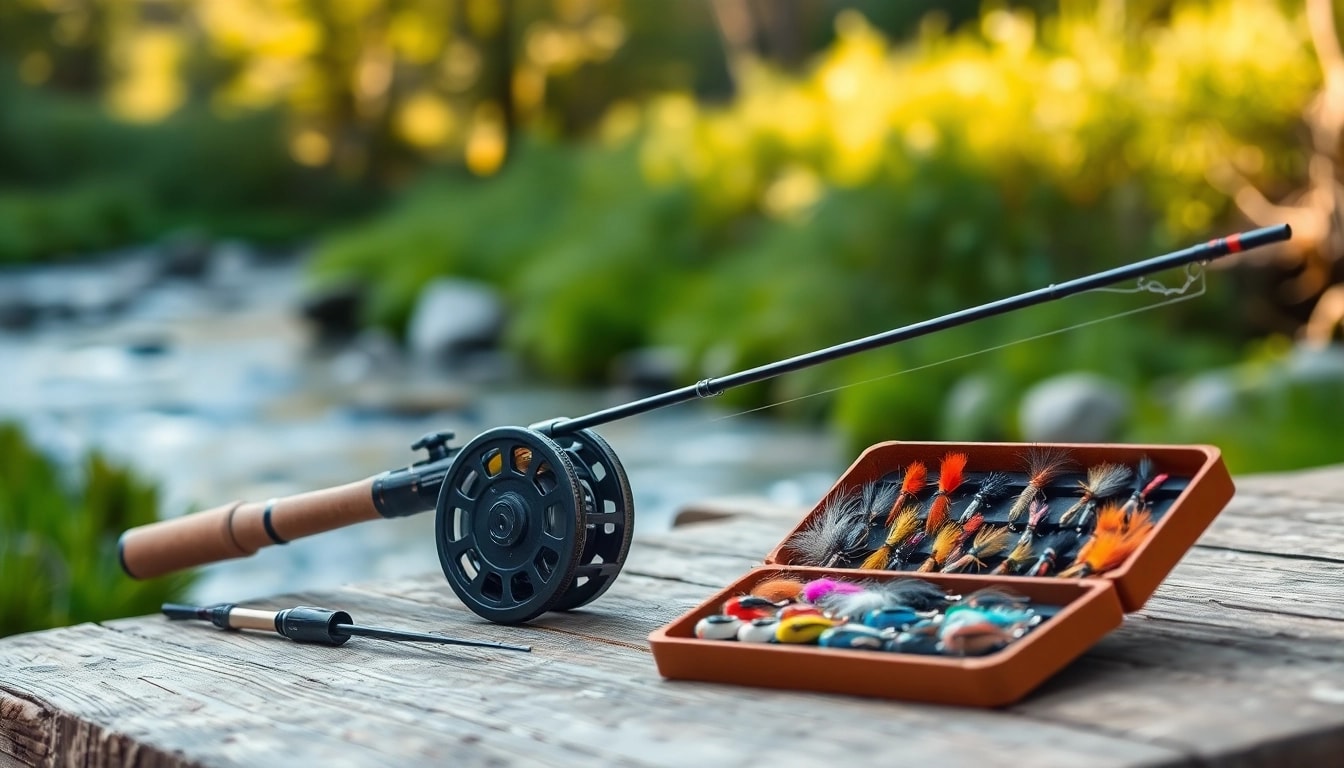
- Fly Boxes: Organize your flies in separate boxes to ensure easy selection on the water.
- Dry Fly Oil and Floatant: These items are crucial for maintaining the performance of your flies.
- Emergency Supplies: Always carry a small first-aid kit, as minor injuries can happen in any fishing location.
Organizational Tips for Your Vest Pockets
Efficient organization can save time and prevent frustration while fishing. Here are some tips:
- Pocket Designation: Assign specific pockets for tools, flies, and snacks. Consider marking each pocket for quick identification.
- Use Clear Bags: Storing flies in clear plastic bags allows for quick identification and easy access.
- Packing Order: Place the most frequently used items in easily accessible pockets while less-used items can go deeper into the vest.
Personalizing Your Fly Fishing Vest with Patches and Gear
Adding personal touches to your vest can make the experience more enjoyable. Consider personalizing with patches that represent your favorite fishing spots, or adding keychains that showcase your personality. This not only creates a unique aesthetic but also fosters a sense of ownership and pride in your gear.
Care and Maintenance of Your Fly Fishing Vest
Cleaning and Storing Your Fly Fishing Vest
Proper cleaning and storage can extend the lifespan of your vest. After each fishing trip, rinse the vest with fresh water to remove salt and dirt. For deeper cleans, hand wash it with mild detergent and air dry it away from direct sunlight to prevent fabric degradation. Store your vest in a cool, dry place to prevent mildew and deterioration.
Repairing Common Issues with Vests
With regular use, wear and tear are inevitable. Common issues include fraying pockets or malfunctioning zippers. Most of these problems can be easily fixed with a needle and thread for minor tears, or zippers can often be repaired with a bit of lubricant if they get stuck. A proactive approach to maintenance will keep your vest functional for years to come.
Longevity Tips for Your Fly Fishing Vest
To maximize the life of your fly fishing vest, consider a few key practices: avoid overloading your pockets, regularly check and maintain zippers and buckles, and handle your vest with care. Additionally, consider investing in a vest with a warranty, which can save money on potential repairs or replacements.
Frequently Asked Questions About Fly Fishing Vests
What Size Fly Fishing Vest Should I Choose?
Choose a size based on your chest measurement and ensure there’s room for layering. Most brands provide sizing charts for accurate fitting.
Are Fly Fishing Vests Waterproof?
Most fly fishing vests are water-resistant but not completely waterproof. It's recommended to check product specifications for waterproof features.
What Gear Should I Keep in My Fly Fishing Vest?
Essential items include flies, a tippet, nippers, a forceps, and other tools. Emergency supplies like a first-aid kit are also crucial.
How Do I Clean My Fly Fishing Vest?
Rinse with fresh water after use, and hand wash with mild detergent. Air dry away from direct sunlight to prevent fabric damage.
Can I Use a Fly Fishing Vest for Other Types of Fishing?
Absolutely! A fly fishing vest can be used for various types of fishing, offering versatility in carrying essential gear.