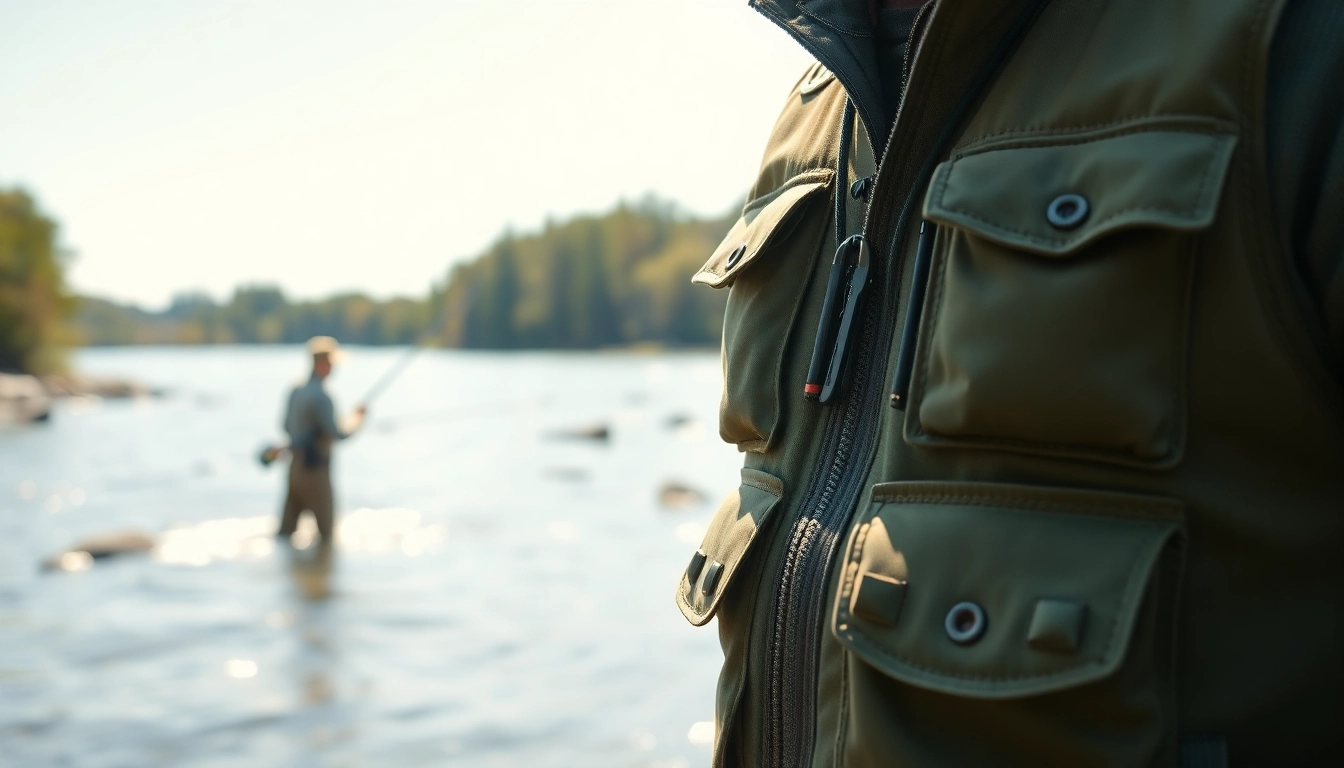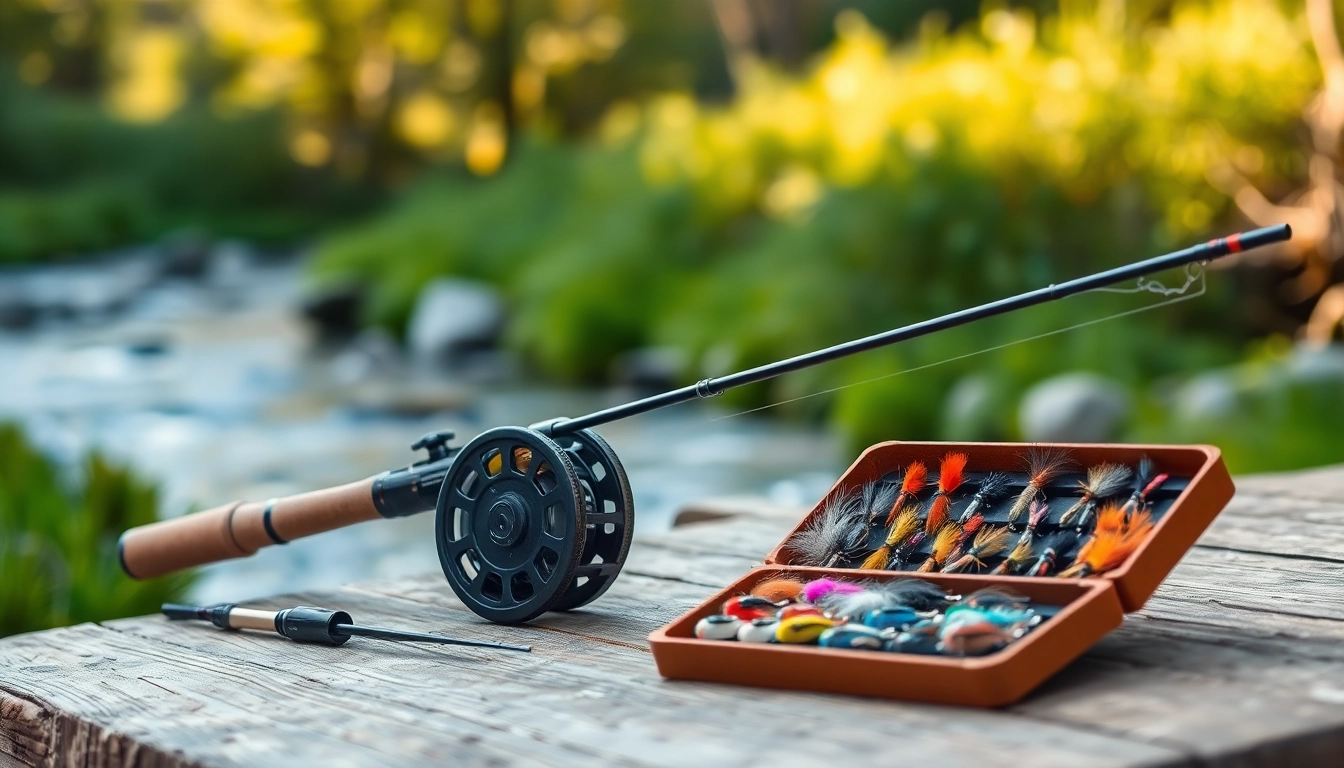
Fly fishing is more than just a hobby; it's an expansive world full of technique, patience, and adventure. One of the first steps for any budding angler is to equip themselves with a suitable Fly fishing kit. In this extensive guide, we will explore the essential components of a fly fishing kit, preparation tips for beginners, the best locations for fly fishing, advanced techniques for those looking to elevate their skills, and best practices for maintaining gear. Whether you're a novice or looking to refine your skills, this article will serve as an invaluable resource.
Understanding the Components of a Fly Fishing Kit
The Importance of Rod and Reel Selection
The foundation of any fly fishing kit begins with the rod and reel. Selecting the right rod is vital as it determines your casting distance, line control, and overall fishing experience. Fly rods generally range from 6 feet to 9 feet in length, with longer rods providing greater casting distance, while shorter rods are advantageous in tight spaces like small streams.
Rods are categorized by weight, which indicates the size of the line they are designed to cast. A 5-weight rod is typically versatile, ideal for general freshwater fishing, while heavier rods (7-weight and above) cater to larger fish species in bigger waters.
The reel should be balanced with the rod, offering smooth drag for fighting fish. Look for reels that are made of durable materials and have a reliable drag system. The combination of the right rod and reel can greatly enhance your fly fishing experience.
Essential Accessories for Beginners
Beyond the rod and reel, several essential accessories can make a significant difference for beginners:
- Line: Choose a floating or sinking line based on your fishing preference. Floating lines are great for most situations, while sinking lines are advantageous when targeting fish that stay deeper.
- Leader and Tippet: The leader is the line that connects your fly to your main line. It should be tapered for better natural presentation. Tippet is the final segment of line to which the fly is tied.
- Flies: Having a selection of flies is crucial. These can be dry flies, nymphs, or streamers, depending on what fish species you target in your chosen water.
- Tools: Accessories such as nippers for cutting line, forceps for handling fish, and a fly box to keep your flies organized are essential.
- Personal Safety Gear: A personal flotation device (PFD), sunscreen, and insect repellent are also vital for safety and comfort on the water.
Choosing the Right Fishing Flies
Your choice of flies will largely depend on the fish species you are targeting and the local insect hatches. It's advisable to have a variety of flies in your kit, such as:
- Dry Flies: Mimic insects that float on the surface. They are effective during hatches.
- Nymphs: Represent immature aquatic insects and are often fished under the surface.
- Streamers: Imitate baitfish and are excellent for larger predatory species.
Studying local patterns and hatches will give you significant advantages, allowing you to adapt your fly selection based on conditions.
Fly Fishing Kit Preparation for Beginners
How to Assemble Your Fly Fishing Kit
Assembling your fly fishing kit is straightforward but requires attention to detail. Start by spooling your reel with the appropriate fly line. Secure the leader line to your main line using a reliable knot, often a double surgeon's knot for strength. Next, attach your tippet to the leader, tested through various fishing scenarios to ensure compatibility.
Once your line setup is complete, it’s time to select your fly. Attach it to the end of your tippet using an improved clinch knot. Practice tying these knots before heading out to familiarize yourself with their construction, as efficient knot-tying is crucial for preventing lost flies.
Key Techniques for Casting and Handling
Effective casting takes practice and can dramatically improve your success rate on the water. Begin with the basic overhead cast, ensuring to keep your wrist straight and controlled throughout the motion. A common beginner mistake is using too much arm movement, which can result in unintended splashes or tangles.
To practice, find an open space where you can mimic casting without water. Focus on smooth, rhythmic movements. The importance of good timing cannot be overstated; waiting for the line to straighten behind you before you move forward is key to a successful cast.
When handling caught fish, be sure to wet your hands before touching them to protect their slime coat. Use forceps when possible to minimize stress on the fish, and always handle them gently to ensure their return to the water is swift and safe.
Safety Tips for Fly Fishing Activities
Safety should always be a priority while fly fishing. Here are some fundamental guidelines:
- Wear a Life Jacket: If you are fishing from a boat or in turbulent waters, wearing a PFD is essential.
- Be Aware of Your Surroundings: Always stay aware of weather conditions and changes in water levels, which may indicate coming hazards.
- Protect Yourself from Sun Exposure: Use sunscreen and wear protective clothing to shield yourself from harmful UV rays.
- Stay Hydrated and Nourished: Bring sufficient water and snacks to keep energy levels high during a long day on the water.
Where to Use Your Fly Fishing Kit Effectively
Best Local Spots for Fly Fishing
Finding prime fishing locations is crucial for success. Local rivers, lakes, and streams can provide excellent opportunities; look for areas known for healthy fish populations. Research online or connect with local fishing communities to gather insights into up-and-coming spots.
The right time of year can also greatly impact your outing. Early mornings and late afternoons mostly see increased fish activity, particularly during hatching periods for insects. Select your fishing locations based on these patterns and seasonal migrations of fish.
Exploring Different Water Types
Different water types—stillwater, moving water, and saltwater—each present unique challenges and rewards. In stillwater, focus on deep edges and structures where fish may hide. In moving water, observe current patterns and select spots where the water bends or overhangs as these spots typically attract fish.
Testing various water types is essential. Pay attention to how fish behave, as different settings call for different strategies. Each angler will develop their comfort zone and style with time, enhancing their overall experience.
Understanding Local Regulations and Guidelines
Following local fishing regulations is paramount to maintaining healthy ecosystems. This includes adherence to catch limits, specific seasons for fishing, and rules surrounding licensed fishing areas. Always check with local wildlife authorities to ensure that you understand all the parameters before hitting the water.
Being familiar with the regulations not only ensures compliance but also supports conservation efforts, which benefit the sport as a whole.
Advanced Techniques for Fly Fishing Kit Users
Tips for Improving Casting Skills
Improving your casting skills can dramatically affect your success rate. One effective practice is to focus on your technique in smaller, controlled settings before going to the open water. Develop a casting strategy that incorporates delays, allowing the line to fully extend behind you before you move the rod forward.
Practice with Purpose: Setting specific goals for each practice session can drive improvement, whether that's mastering accuracy, distance, or alternative casting styles like roll casts or sidearm casts. Consider recording your sessions to identify areas for growth.
Reading Water and Understanding Fish Behavior
The ability to read water is vital for successful fly fishing. Look for changes in water surface patterns that may indicate fish activities, such as rises or splashes. Calm sections may be indicative of feeding fish, particularly during insect hatches when flies are abundant.
Taking the time to understand fish behavior and habitat preferences can yield significant results. Observing their feeding patterns can assist anglers in selecting the appropriate fly and presentation method. Understanding the prey items and their behavior in different conditions can create an advantage.
Upgrading Your Fly Fishing Kit Over Time
As your skills and experience grow, so should your fly fishing kit. Regularly assess your equipment and consider making investments based on your fishing experiences. Advanced tools could include specialized rods designed for various fish species or high-performance reels with improved drag systems. Upgrading flies to more tailored patterns can also greatly improve your catch rate.
Attending workshops, seeking advice from seasoned anglers, or reading recent publications can provide insight into potential enhancements for your setup. This journey of enhancing gear can lead to improved performance and greater enjoyment of the sport.
Caring for Your Fly Fishing Kit and Gear
Maintenance Tips for Rods and Reels
Proper maintenance is essential to prolong the life of your fly fishing kit. Rinse your rods and reels with freshwater after each outing, especially after saltwater use, to prevent corrosion. Check and tighten any loose hardware, and apply a light lubricant to moving parts in the reel to maintain performance.
Extend the longevity of your rods by storing them in protective tubes, either horizontally or vertically to stave off warping. Avoid leaving them in extreme temperatures or exposed to direct sunlight.
Storage Solutions for Prolonged Health of Your Kit
When not in use, also consider how you store your fly fishing kit. Store your flies in a cool, dry place to prevent moisture buildup which can result in rust and degradation. Fly boxes should be organized and labeled to make it easy to locate the right patterns when you are on the water.
Additionally, consider investing in a tackle bag or storage system to keep all your gear organized. A well-organized kit can save time on fishing trips and improve overall enjoyment.
Winterizing Your Fly Fishing Kit
Preparing your fly fishing kit for winter storage involves a few key steps. Empty and clean your reels, then apply protection to the line. Reels should be inspected for any damage and stored in a dry, room temperature setting away from moisture to prevent rust. For rods, ensure they are clean and stored upright to avoid bends.
Flies should be sorted and checked for damage, with any that show signs of wear replaced. By taking these proactive measures, you ensure that your equipment remains in optimal condition for the forthcoming fishing seasons.
Embarking on your fly fishing journey armed with the right knowledge, equipment, and skills will provide an adventure filled with rewarding experiences. The mastery of techniques, understanding of gear, and care of your kit will pave the way for memorable days on the water. Harness the power and excitement of fly fishing with your new Fly fishing kit, and immerse yourself in the tranquility of nature.