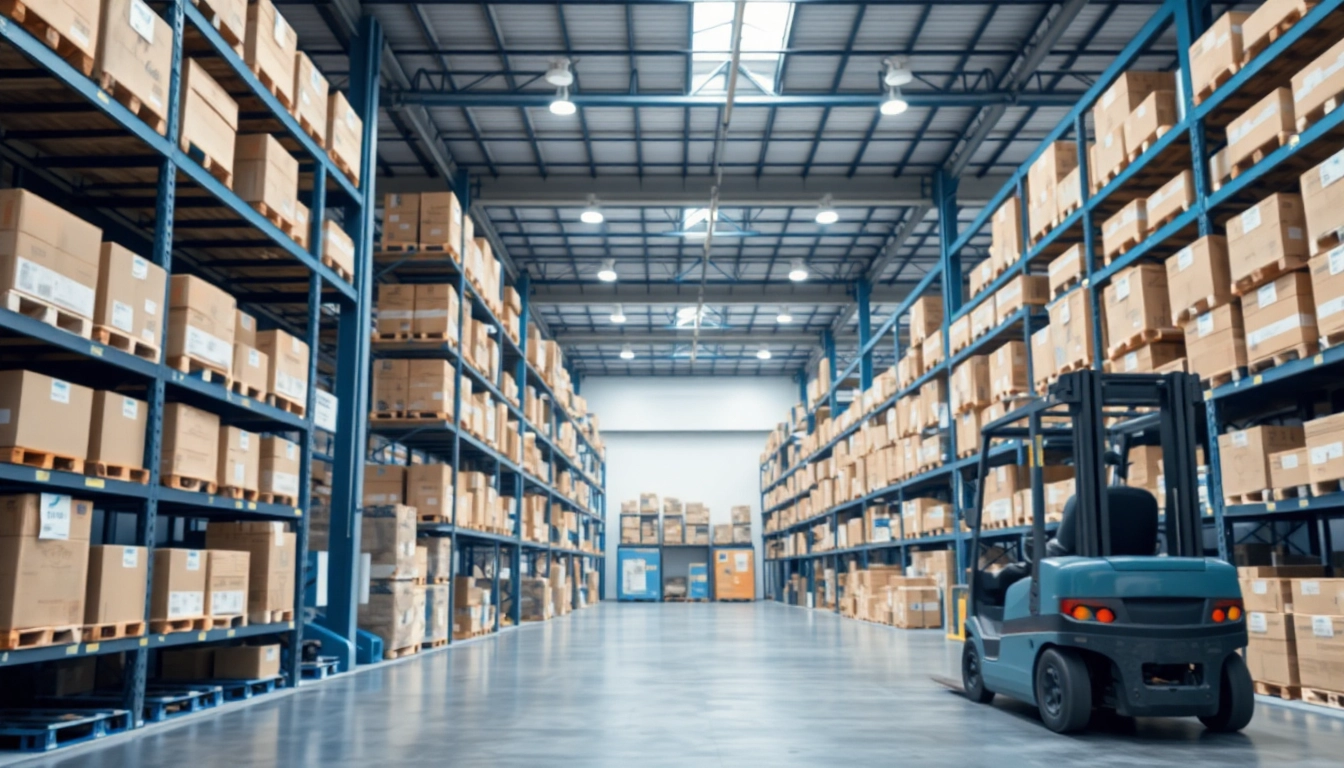
The Basics of Warehousing
Definition and Importance of Warehousing
Warehousing is a vital component of supply chain management that involves the storage of goods until they are ready for distribution. Essentially, it serves as a bridge between production and consumption, ensuring that products are stored securely until they reach their final destination. A well-organized warehousing system can significantly impact a company's efficiency, helping to reduce costs and improve service delivery. This aspect of logistics is not only relevant to manufacturers but also crucial for retailers, importers, and exporters who rely on timely access to their inventory. You can find extensive insights on warehousing in various resources that delve into its significance and operations.
Roles and Functions in Supply Chain Management
In the intricate tapestry of supply chain management, warehousing plays several critical roles. One of the primary functions is to provide a secure location for inventory that enables businesses to manage stock levels effectively. By doing so, companies can respond promptly to market demand without overcommitting resources to production.
Moreover, warehousing helps in consolidating shipments, reducing transportation costs by allowing goods from different suppliers to be stored in one place. This strategy not only optimizes shipping but also promotes just-in-time inventory practices, which can lead to significant reductions in inventory costs. Efficient warehousing solutions are crucial for ensuring that products can be made available to consumers swiftly, contributing to enhanced customer satisfaction.
Types of Warehousing Solutions
Warehousing solutions can be broadly categorized into several types, each serving specific needs within the supply chain. The primary types include:
- Public Warehouses: These are facilities that offer storage space and services to multiple clients. They are often used by businesses that do not have enough volume to necessitate their own warehousing.
- Private Warehouses: Operated by a company for its own storage needs, private warehouses are typically used by large businesses that require long-term storage for their products.
- Bonded Warehouses: These facilities are licensed by the government to store goods that have yet to be cleared by customs. Goods can be held here without incurring duties until they are ready to be distributed.
- Warehouse-as-a-Service (WaaS): A modern approach where businesses rent warehouse space and pay for the services needed on a flexible basis, often aided by advanced technology.
- Fulfillment Centers: Specifically designed for the e-commerce industry, these centers handle the entire order fulfillment process, from receiving inventory to packing and shipping products directly to customers.
Critical Components of Warehousing
Physical Layout and Design Considerations
The physical layout of a warehouse is fundamental to its operational efficiency. A well-planned design considers factors such as product flow, storage types, and handling equipment. Using techniques like ABC classification can help prioritize storage space—placing fast-moving items closer to dispatch areas to reduce picking time.
Additionally, implementing vertical storage solutions can contribute to maximizing space in warehouses with limited floor area. Creating designated zones within warehouses—such as receiving, storage, and shipping—further streamlines the workflow, reduces the time spent navigating the facility, and ensures that tasks are completed in an organized manner.
Technology Integration in Warehousing Operations
Technology is transforming warehousing operations, enhancing accuracy and efficiency. Systems such as Warehouse Management Systems (WMS) facilitate the control of inventory levels, track movements, and optimize order fulfillment processes. These systems also leverage data analytics to provide insights into inventory turnover and storage allocation.
Moreover, technologies like RFID and barcode scanning enable real-time tracking of goods, significantly reducing the chances of error while picking and packing orders. Additionally, automation in warehousing, including robotics and automated guided vehicles (AGVs), lessens the burden on labor and enhances productivity by handling repetitive tasks while allowing human workers to focus on more complex activities.
Inventory Management Strategies
Effective inventory management is crucial for maintaining the right balance between supply and demand. Strategies like just-in-time (JIT) inventory help reduce holding costs by ensuring that products arrive just as they are needed for production or sales. Other effective strategies include:
- Safety Stock: Keeping a buffer inventory to prevent stockouts during unexpected demand surges.
- Seasonal Stockpiling: Increasing inventory levels in anticipation of seasonal demand peaks to ensure product availability.
- Consignment Inventory: Arrangements where the supplier retains ownership of the goods until sold by the retailer, thereby reducing the retailer's inventory risk.
Utilizing effective inventory management software can help businesses monitor stock levels, forecast demand, and generate reports that inform strategic decisions further enhancing operational efficiency.
Best Practices in Warehousing
Safety Protocols and Compliance Regulations
Safety should be a top priority in any warehousing operation. Implementing comprehensive safety protocols is essential to protect staff and goods. Regular safety training sessions for employees, adherence to Occupational Safety and Health Administration (OSHA) guidelines, and routine equipment inspections can mitigate risks and create a safer working environment.
Establishing clear protocols for material handling—such as the use of proper lifting techniques and ensuring that pathways within the warehouse are free from obstacles—can lower accident rates. Furthermore, compliance with insurance and legal requirements is crucial in safeguarding the business from potential liabilities.
Streamlining Processes for Efficiency
Streamlining warehouse processes involves assessing and refining workflows to eliminate redundancies. Techniques such as Lean Warehousing focus on waste reduction and process improvement. Adopting a systematic approach allows warehouses to operate at peak capacity, responding swiftly to market demands while minimizing costs.
Implementing cross-docking practices—where incoming goods are directly transferred to outgoing trucks without being stored—can speed up processing times and improve delivery precision. Continuous improvement initiatives involving employee feedback can also lead to new ways to enhance efficiency in warehousing operations.
Training and Development for Workforce Optimization
Investing in workforce training is vital to maximizing the potential of warehouse staff. Regular training sessions help employees stay updated on the latest safety practices, technology integrations, and operational processes. This continuous development fosters a culture of learning and adaptability among staff members.
Moreover, cultivating leadership within the workforce can empower employees to take ownership of their roles, contributing to overall operational success. Recognizing and rewarding outstanding performance can motivate employees to excel, ultimately benefiting the organization.
Common Challenges in Warehousing
Inventory Control Issues
Effective inventory control can be one of the most challenging aspects of warehousing. Problems such as stock discrepancies, overstock, and understock situations can arise due to inaccurate data, poor tracking systems, or lack of adherence to processes. These challenges can lead to increased operational costs and diminished customer satisfaction.
Addressing these issues requires the implementation of advanced warehouse management systems, regular audits, and consistent inventory reviews. Establishing standard operating procedures (SOPs) for inventory handling can help maintain accuracy and improve overall efficiency.
Space Utilization and Scalability
Many warehouses struggle with effectively utilizing space. Poor layout design or an inability to adapt to changing inventory levels can limit storage capacity and increase operational inefficiencies. Companies should conduct regular assessments of their space utilization to identify areas for improvement.
Moreover, scalable solutions such as modular shelving and adjustable racking systems can help accommodate fluctuating inventory levels, allowing warehouses to expand and contract based on demand without incurring significant costs.
Adapting to Technological Changes
The rapid advancement of technology poses both opportunities and challenges for warehouses. Companies must stay abreast of technological updates to leverage new tools effectively while managing the associated transition periods. Resistance to change from employees and a lack of training can hinder the successful adoption of new technologies.
Establishing a change management strategy that includes training, involvement, and clear communication can help ease the transition to innovative technologies. Encouraging a mindset of adaptability and continuous learning among staff will enable organizations to respond effectively to future technological advancements.
Future Trends in Warehousing
Embracing Sustainability in Operations
Sustainability is becoming an increasingly important focus within the warehousing sector. Companies are looking for ways to reduce their carbon footprint through energy-efficient practices, waste reduction, and sustainable sourcing. Initiatives such as solar panels for energy generation and utilizing electric-powered forklifts are becoming more common.
Integrating sustainability into warehousing operations is not just an ethical responsibility; it also resonates with environmentally conscious consumers, enhancing brand loyalty. As companies strive for greater corporate social responsibility, adopting sustainable practices can provide a competitive advantage.
The Impact of Automation and Robotics
Automation and robotics are transforming warehousing operations at an unprecedented rate. Automated storage and retrieval systems, robotic picking, and sorting systems are being embraced to enhance efficiency and accuracy. These technologies streamline labor-intensive tasks, allowing human workers to focus on more complex aspects of warehouse management.
While implementing automation may require a significant upfront investment, the long-term benefits—such as reduced labor costs, increased accuracy, and improved throughput—are contributing to its accelerated adoption within the industry.
Emerging Technologies and Innovations
The future of warehousing will undoubtedly be shaped by innovations such as artificial intelligence (AI), machine learning, and the Internet of Things (IoT). AI-driven data analysis can forecast demand trends, enabling more effective inventory management. Meanwhile, IoT technologies allow for better monitoring of optimal storage conditions, ultimately improving product quality and reducing waste.
As these technologies become more integrated into warehousing models, companies that proactively adopt and adapt to these innovations will be well-positioned to lead in a highly competitive landscape.