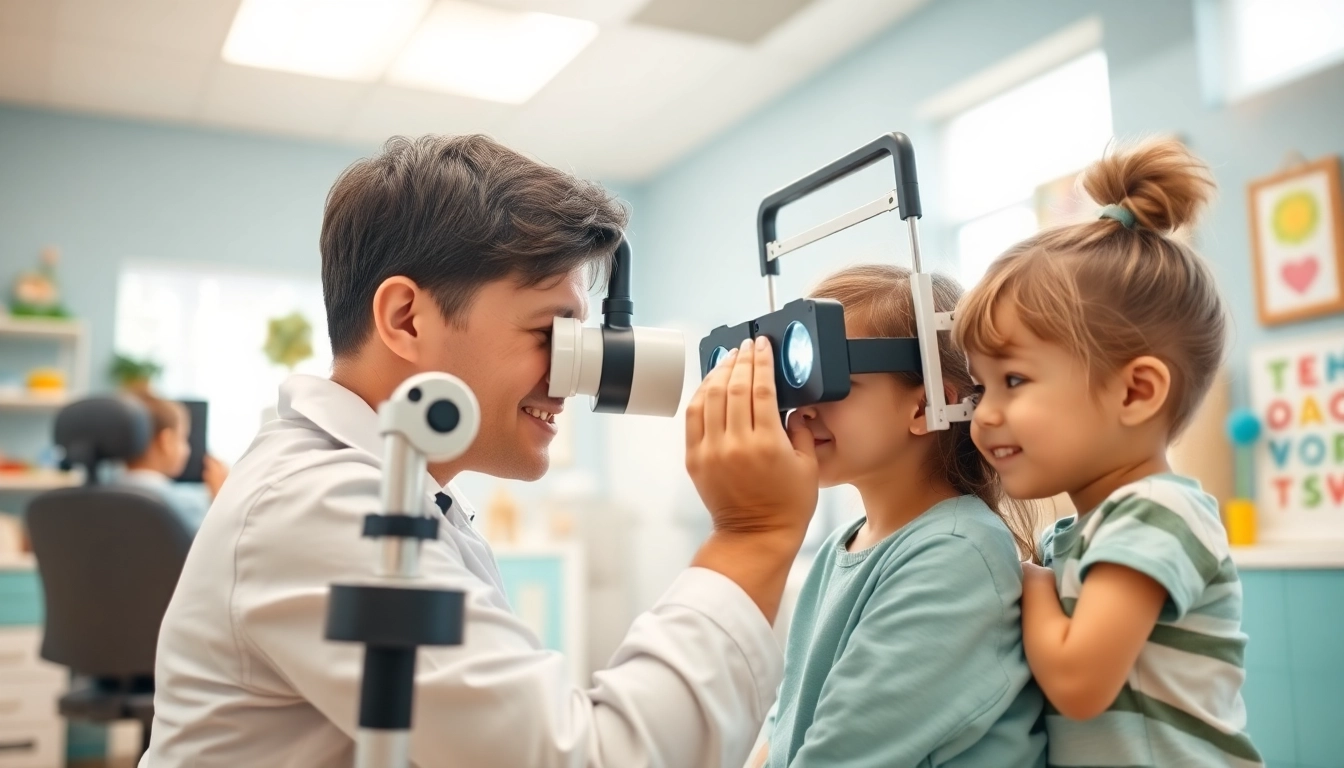
Understanding Our Children's Vision and Its Importance
In the realm of child development, vision is a crucial component that significantly impacts learning, social interaction, and overall well-being. As children embark on their educational journeys, clear eyesight allows them to engage with the world, absorb knowledge, and interact effectively with peers. The initiative of Our Children's Vision aims to ensure that every child has access to essential eye care, recognizing that millions remain underserved globally.
The Need for Vision Care in Children
Vision care is not merely a luxury but a fundamental necessity for children. Early identification of vision problems can lead to timely interventions that enhance a child’s ability to learn and thrive. The importance of investing in pediatric eye health is underscored by the profound effects that impaired vision can have on a child's academic performance and social development. Access to vision care can prevent lifelong consequences that arise from undiagnosed vision issues.
Statistics on Children's Vision Health
Research reveals alarming statistics about children's vision health. Globally, it is estimated that around 19 million children under the age of 15 are visually impaired. This statistic highlights the critical importance of proactive vision screening and care. Furthermore, studies suggest that conditions such as amblyopia (often referred to as lazy eye) can lead to permanent vision loss if not detected in early childhood.
Common Vision Problems Affecting Children
Several vision problems are particularly prevalent among children:
- Myopia (Nearsightedness): More common in school-aged children, myopia can hinder a child’s ability to see distant objects clearly.
- Hyperopia (Farsightedness): This condition can affect children's ability to focus on nearby objects, leading to difficulties in reading and close work.
- Astigmatism: Caused by an irregular curvature of the eye, astigmatism can distort vision at all distances.
- Amblyopia: This often results from misalignment of the eyes or significant differences in refractive errors between the two eyes.
- Strabismus: Commonly known as crossed eyes, strabismus can affect the ability of a child to see clearly and can lead to amblyopia if not treated.
Implementing Effective Eye Health Initiatives
To combat the challenges of children's vision health, comprehensive and collaborative initiatives are vital. Successful programs are designed with a clear focus on community engagement, partnerships, and informed approaches driven by research.
Community Engagement and Outreach Programs
Community engagement is the backbone of effective eye health initiatives. Outreach programs play a crucial role in raising awareness of the importance of eye care. Local schools and community centers can serve as platforms for educating parents about the signs of vision problems and the importance of regular screenings for their children. Workshops, health fairs, and school-based screening programs can effectively identify at-risk children and provide necessary referrals for treatment.
Partnerships to Support Child Eye Health
Collaboration between various stakeholders, including healthcare professionals, educational institutions, and community organizations, is essential for enhancing children's vision care. Partnerships enable resource sharing, better decision-making, and innovative approaches to provide eye care services. For instance, partnerships with local optometrists or ophthalmologists can facilitate access to comprehensive eye examinations that are often unavailable in underserved areas.
Utilizing Research to Drive Initiatives
Evidence-based practice is foundational when devising eye health strategies for children. Research should guide the development of screening protocols, treatment methods, and public health campaigns. By analyzing data on demographics, existing vision health disparities, and effectiveness of interventions, stakeholders can refine their approaches to maximize impact and address specific community needs effectively.
Best Practices for Screening and Testing
Implementing systematic screening processes can dramatically improve detection rates of vision problems in children. Best practices revolve around age-appropriate methods and comprehensive evaluations.
Age-Appropriate Vision Screening Methods
Different age groups require specific screening methods tailored to their developmental stages. For preschool-aged children, simple vision tests utilizing letters or symbols can help identify potential issues. School-aged children may benefit from more standardized testing methods that assess visual acuity and binocular function. The goal is to ensure that screenings are conducted regularly and early enough to catch any problems that could impede a child’s learning and development.
Comprehensive Eye Examinations for Children
Beyond screening, comprehensive eye examinations are vital for accurately diagnosing vision issues. These examinations should be performed by qualified eye care professionals and include assessments of visual acuity, refractive error, eye alignment, and overall eye health. Parents should be encouraged to seek comprehensive exams for their children at least once every two years, starting at age three or earlier if there are concerns.
Follow-up Care and Monitoring
Effective vision care does not stop at diagnosis; it extends to follow-up care and monitoring. Children identified with vision problems require prescribed interventions or treatments and should be reassessed periodically to evaluate progress. Parents must be informed regarding the importance of adhering to the follow-up appointments and treatment plans to ensure the child's vision is optimally managed.
Raising Awareness About Eye Health
Awareness is a crucial step in promoting children's vision health. Engaging parents, educators, and the broader community ensures that vision care is prioritized and understood.
How to Educate Parents on Vision Care
Education is a pivotal strategy in empowering parents to take charge of their children's eye health. Informational sessions can be organized in schools to teach parents about the signs and symptoms of vision problems. Providing brochures, host workshops, and leverage digital channels can extend the reach of educational resources. Simplifying the information and ensuring that it is culturally relevant will enhance understanding and engagement.
Utilizing Social Media for Outreach
Social media presents a unique opportunity to engage the community in meaningful conversations about eye health. Campaigns can be launched that encourage parents to share their experiences or stories, creating a connected community around the topic of children's vision care. Social media platforms can also be used to dispel myths about eye care, promote screening events, and share success stories from local initiatives.
Creating Informational Resources and Workshops
Developing easily accessible resources, such as guides, videos, and interactive workshops, can significantly enhance public awareness. Schools and community organizations can collaborate to create these materials, ensuring they’re informative yet engaging. Workshops can also serve to demonstrate the importance of regular vision checks and can provide parents with tools to support their children’s eye health proactively.
Measuring the Impact of Vision Health Initiatives
For initiatives to be effective, it is essential to measure their impact and outcomes regularly. This measurement not only informs stakeholders but also helps in continuous improvement.
Key Performance Indicators for Children’s Vision Programs
Establishing clear key performance indicators (KPIs) enables the assessment of the effectiveness of eye health initiatives. Common KPIs include the percentage of children screened, numbers of referrals made for comprehensive exams, and follow-up rates for treatment. Additionally, tracking the changes in the incidence and prevalence of vision problems in the community over time can indicate the long-term success of the programs.
Case Studies of Successful Programs
Examining successful case studies provides valuable insights into effective strategies that can be replicated. For instance, initiatives that have incorporated mobile eye care clinics have successfully reached underserved populations, significantly increasing the number of children receiving eye care. Documenting these successes can serve as a powerful advocacy tool to garner support and funding for ongoing and future initiatives.
Continual Improvement Based on Outcomes
The process does not end at gathering data; continual improvement is integral to sustain the effectiveness of any initiative. By assessing outcomes and gathering feedback from participants, organizations can refine their approaches, ensuring that programs remain responsive to the evolving needs of the community. This cycle of assessment, reflection, and improvement is essential for achieving long-term vision health goals for children.