
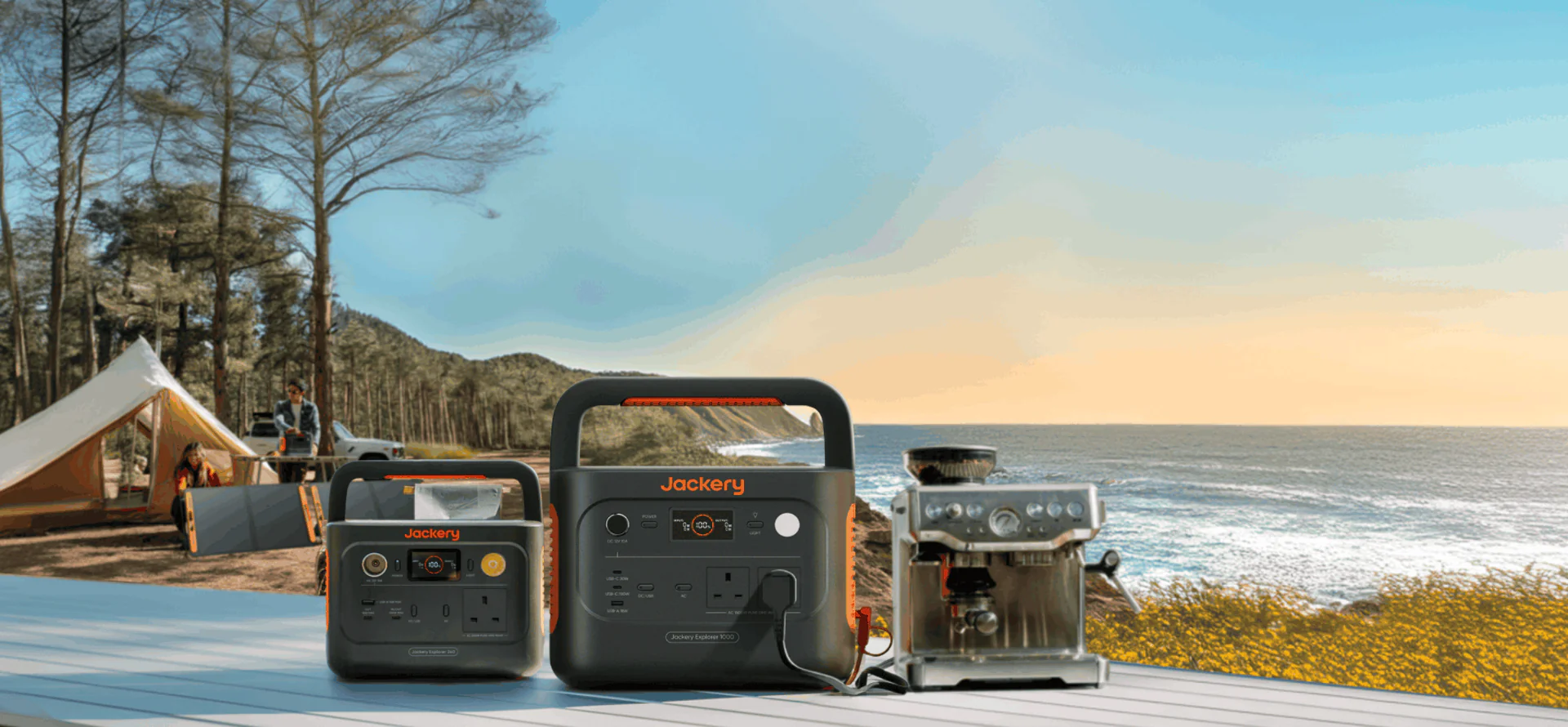
When it comes to reliable energy solutions, a power station is one of the most versatile tools for both home and outdoor use. Whether you are preparing for emergencies, camping trips, or simply looking to reduce dependence on the grid, choosing the right Power station capacity is essential. This guide will help you understand the key factors to consider when selecting a power station that fits your needs perfectly.
Understanding Power Station Basics
A power station is a portable energy source designed to provide electricity when traditional outlets are unavailable. It can charge devices, run appliances, and even serve as a backup during power outages. Most modern power stations use lithium-ion batteries, making them lightweight and efficient while providing a reliable energy output.
The capacity of a power station is usually measured in watt-hours (Wh). This indicates how much energy the station can store and deliver. Understanding this measurement is crucial when determining which power station can meet your energy requirements.
Types of Power Stations
There are several types of power stations, each designed for specific purposes:
Portable Power Stations
Portable power stations are compact, lightweight, and ideal for outdoor activities like camping, hiking, or road trips. They are designed to power small devices such as smartphones, laptops, cameras, and small appliances.
Home Backup Power Stations
These power stations are built for home use during emergencies or power outages. They usually have higher capacities, allowing them to run essential appliances like refrigerators, lights, and medical devices.
Solar-Powered Stations
Solar-powered power stations are eco-friendly solutions that recharge using solar panels. They are ideal for off-grid living and long-term sustainability.
Determining the Right Capacity
Selecting the right power station capacity depends on your energy needs. Consider the following factors:
Identify Your Power Requirements
Make a list of devices or appliances you want to power. Calculate their energy consumption in watts and estimate the total hours of use. This will give you a clear idea of the power station capacity you need.
Consider Peak Power Needs
Some devices require a higher surge of power when starting up. Ensure the power station you choose can handle peak power demands to avoid overload or shutdowns.
Portability vs. Capacity
There is often a trade-off between portability and capacity. Higher capacity power stations are heavier and bulkier but provide more energy. Assess how often you’ll move the station to find the right balance.
Key Features to Look For
Beyond capacity, several features can enhance the usability of your power station:
- Multiple Output Ports: Look for AC, DC, and USB outputs to power various devices.
- Battery Type: Lithium-ion batteries are more durable and lightweight, whereas lead-acid batteries may be cheaper but heavier.
- Fast Charging: Some power stations support rapid charging via wall outlets, car chargers, or solar panels.
- Safety Features: Overload, short-circuit, and temperature protection ensure safe operation.
Popular Power Station Uses
A power station can serve numerous purposes in everyday life:
- Home Emergencies: Keep lights, medical devices, and communication tools running during outages.
- Camping & Outdoor Activities: Power essential devices without relying on generators.
- Travel & Road Trips: Charge electronics on long journeys.
- Remote Work Sites: Provide electricity where grid power is unavailable.
Tips for Maintaining Your Power Station
Proper maintenance ensures your power station lasts longer and performs efficiently:
- Charge regularly even when not in use.
- Store in a cool, dry place.
- Avoid fully depleting the battery frequently.
- Clean output ports to prevent dust accumulation.
Eco-Friendly Considerations
Many power stations today are designed to be environmentally friendly. Solar-powered models reduce reliance on fossil fuels, while energy-efficient designs minimize waste. Choosing a sustainable power station aligns with eco-conscious living and reduces your carbon footprint.
Conclusion
Finding the right power station for your needs requires understanding your energy requirements, assessing capacity, and considering portability and features. Whether you need a small portable power station for camping or a high-capacity unit for home backup, making an informed choice ensures reliable and efficient power. With the right power station, you can enjoy energy independence, peace of mind, and convenience anytime, anywhere.