
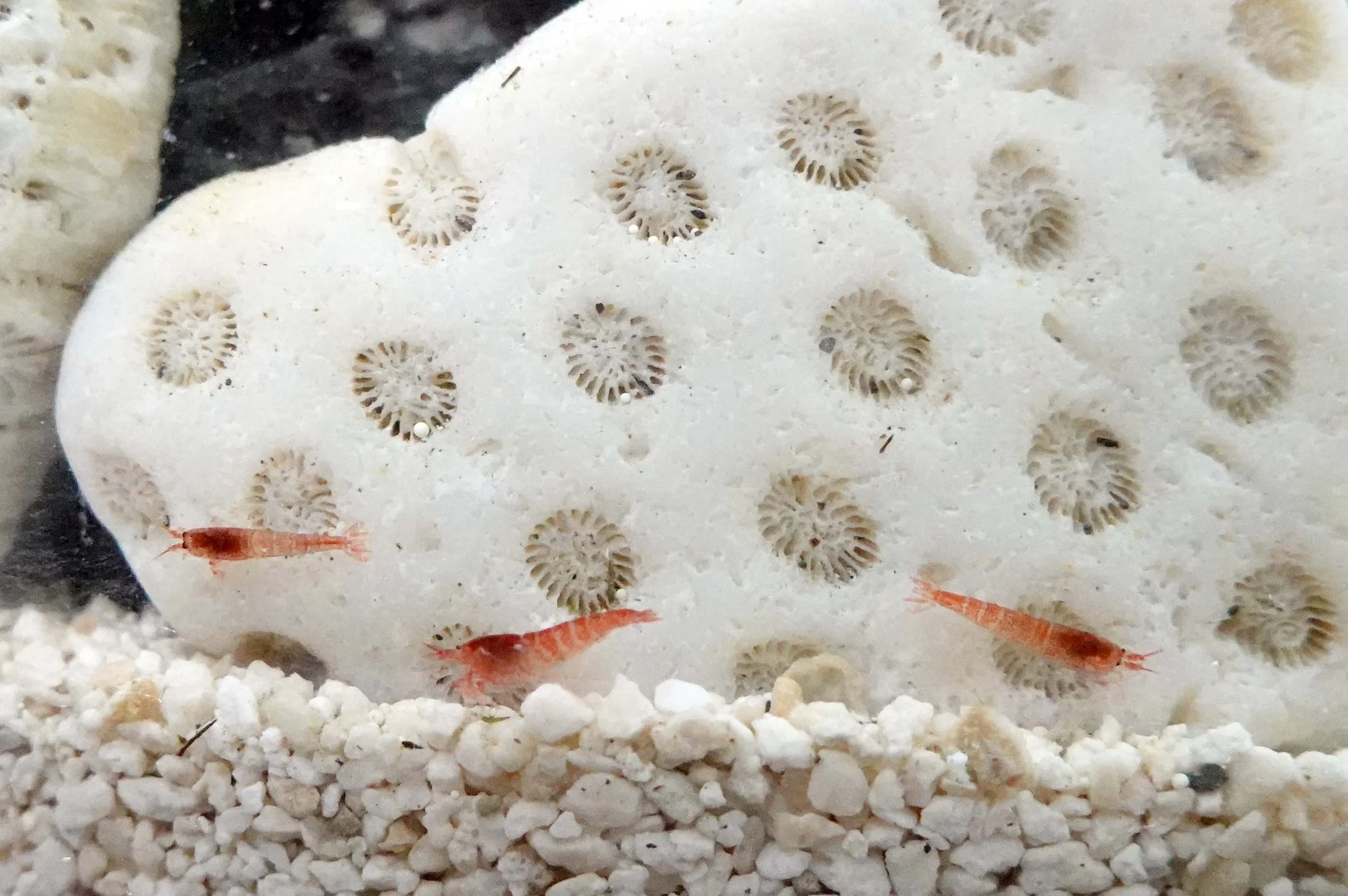
Keeping a thriving, long-term aquarium requires careful planning, especially when it comes to selecting the right inhabitants. Among the most fascinating and resilient species for freshwater and brackish setups are Opae ula. These tiny, vibrant red shrimp, often called Hawaiian red shrimp, are celebrated not only for their beauty but also for their adaptability and sustainability in small aquariums. In this article, we explore everything you need to know about Opae ula, from care requirements to breeding, ensuring your aquarium remains a healthy, sustainable ecosystem.
Understanding Opae Ula
Opae ula are small freshwater shrimp native to Hawaii. Their bright red coloration makes them a stunning addition to aquascapes and nano tanks. Despite their delicate appearance, these shrimp are surprisingly hardy and can adapt to various water conditions. For aquarium enthusiasts, Opae ula are ideal for long-term sustainable setups because they reproduce easily, require minimal maintenance, and contribute to the natural cleaning of tanks.
Habitat Requirements for Opae Ula
To keep Opae ula healthy, it is crucial to replicate their natural environment. These shrimp thrive in water that is slightly brackish to freshwater, with a pH level between 7.0 and 8.0 and a temperature range of 70–82°F (21–28°C). Providing hiding places such as moss, rocks, and small plants encourages natural behavior and reduces stress. Substrate choice is also important; a fine gravel or sand substrate mimics their natural habitat and allows for easy foraging.
Feeding Opae Ula
Opae ula are omnivores and scavengers, meaning they help maintain tank cleanliness by consuming leftover food, algae, and detritus. A balanced diet for these shrimp includes high-quality shrimp pellets, blanched vegetables like spinach or zucchini, and occasional protein sources such as brine shrimp. Regular feeding ensures healthy growth and vibrant coloration, which is one of the most admired features of Opae ula.
Breeding Opae Ula in Aquariums
One of the standout advantages of keeping Opae ula is their ability to breed in captivity. Unlike many other shrimp species, Opae ula have a straightforward breeding process that does not require specialized conditions. Female shrimp carry eggs under their abdomen until they hatch, and the offspring can survive in the same water conditions as the adults. A well-maintained tank with ample hiding spots will promote breeding success and maintain a sustainable shrimp population over time.
Tank Mates for Opae Ula
Selecting compatible tank mates is essential for a thriving aquarium. Opae ula are peaceful creatures and can coexist with other small, non-aggressive species. Avoid keeping them with large fish or aggressive invertebrates that might prey on them. Ideal companions include small snails, nano fish, and other dwarf shrimp species. Proper tank mate selection ensures that your Opae ula population remains stable and stress-free, supporting long-term sustainability.
Maintaining a Sustainable Aquarium with Opae Ula
A sustainable aquarium focuses on creating a self-sufficient ecosystem. Opae ula play a key role in this balance. Their scavenging habits help reduce excess waste, while their breeding contributes to population stability. Regular monitoring of water parameters, periodic water changes, and providing a varied diet are essential for maintaining optimal health. By understanding and catering to the needs of Opae ula, hobbyists can enjoy a low-maintenance, environmentally friendly aquarium.
Health and Disease Management
Even hardy shrimp like Opae ula can be susceptible to stress-related illnesses if water conditions are not ideal. Common signs of stress include color fading, lethargy, and reduced feeding. Preventive care includes keeping water clean, avoiding sudden changes in temperature or pH, and quarantining new tank additions. Observing your Opae ula regularly will help detect potential issues early and ensure a healthy, sustainable population.
Enhancing Aquarium Aesthetics with Opae Ula
Beyond their ecological role, Opae ula add a unique aesthetic appeal to any aquarium. Their vivid red coloration contrasts beautifully against green plants, dark substrates, and natural decorations. Adding Opae ula to a planted tank creates a dynamic, visually stunning environment that draws attention and inspires creativity in aquascaping. Their active foraging behavior adds life and movement, making the aquarium feel more natural and engaging.
Tips for Long-Term Success
For long-term success with Opae ula, consistency is key. Maintaining stable water conditions, providing a nutritious diet, and minimizing stress will keep your shrimp population healthy and thriving. Using a gentle filter and avoiding chemical treatments will protect the delicate invertebrates while keeping the tank clean. Patience and observation are crucial—Opae ula may be small, but their care requirements, though simple, are vital for sustainability.
Conclusion
Opae ula shrimp are an exceptional choice for anyone seeking a long-term, sustainable aquarium. Their beauty, resilience, and low-maintenance care make them a favorite among aquarium enthusiasts. By understanding their habitat needs, feeding habits, breeding patterns, and compatible tank mates, you can create a balanced and thriving ecosystem that highlights the vibrant charm of Opae ula. Investing in these shrimp not only enhances the visual appeal of your tank but also promotes ecological sustainability in your aquatic hobby. For both beginners and experienced aquarists, Opae ula are a perfect companion for a healthy, long-lasting aquarium.