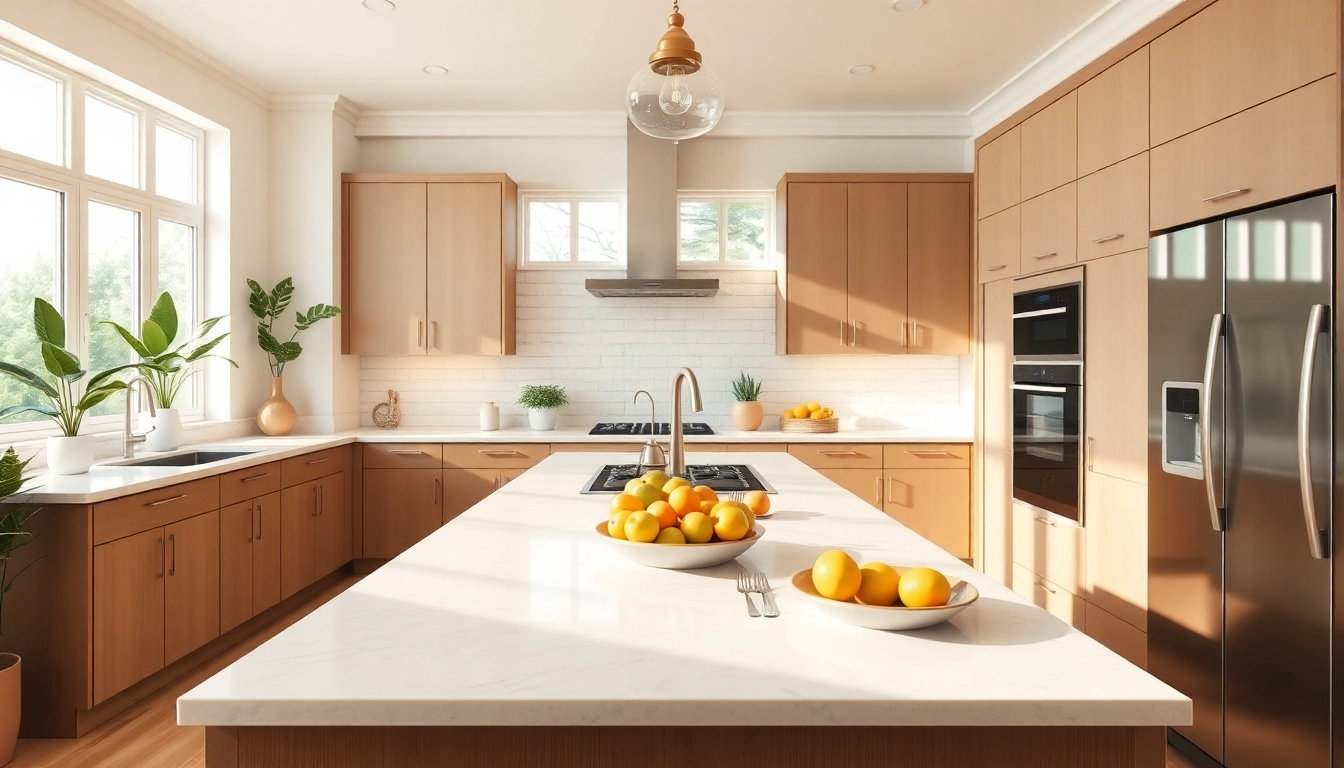
Understanding the Basics of Home Renovation
What is Home Renovation?
Home renovation is the process of improving a broken, damaged, or outdated structure. It’s an endeavor that transforms the appearance and functionality of a home, enabling homeowners to tailor their living spaces to better suit their individual needs and lifestyle preferences. This can include anything from a simple paint job to a complete reconfiguration of the space, including expansions, upgrades, and modernizations. Home renovation not only updates a home aesthetically but often improves its energy efficiency, safety, and overall value.
Key Benefits of Home Renovation
The benefits of renovating your home can be extensive. Here are some key advantages:
- Increased Property Value: One of the most significant benefits is the potential increase in property value. An investment in areas like kitchens and bathrooms can yield substantial returns when it comes time to sell.
- Enhanced Comfort: Renovating allows you to tailor your space for increased comfort and functionality. Whether it’s adding a home office, expanding a kitchen, or redoing a bathroom, comfort is a primary motivator.
- Modernization: As styles change and technology evolves, renovating can bring your home up to date with modern trends and conveniences, improving both aesthetics and functionality.
- Energy Efficiency: Renovations often involve updating appliances, windows, and insulation to more energy-efficient alternatives, which can help lower utility bills and environmental impact.
- Personalization: A renovation allows homeowners to express their creativity and style, resulting in a living space that truly reflects their personality and lifestyle choices.
Common Home Renovation Myths
Despite the prevalent understanding of home renovations, several myths persist that can mislead homeowners:
- Renovations are Always Expensive: While some projects can be costly, many renovations can be conducted on a budget, especially with careful planning and research.
- DIY is Always Cheaper: Although DIY projects can save labor costs, they can lead to costly mistakes if you lack the skills or experience, potentially making professional help more economical.
- Permits are Unnecessary: Some homeowners believe they can bypass permits for small projects. However, many renovations require permits to ensure adherence to safety and zoning laws.
- All Renovation Projects Increase Home Value: It’s essential to understand which renovations actually provide returns. Not all improvements yield the financial benefits hoped for, particularly unique or highly personalized design choices.
Planning Your Home Renovation Project
Setting a Realistic Budget
Creating a realistic budget is crucial to the success of any home renovation project. Start by documenting the scope of the work you wish to undertake. Consider the following:
- Research Costs: Investigate the average costs for materials, labor, and any relevant permits.
- Include a Contingency Fund: Set aside at least 10-20% of your budget for unexpected expenses that may arise during the renovation process.
- Prioritize Needs vs. Wants: Differentiate between essential renovations and those that are more cosmetic, focusing on critical updates that will enhance livability or safety first.
- Consider Long-Term Value: Investing in high-quality materials may require a larger upfront cost but can save money over time through durability, energy efficiency, and reduced maintenance.
Creating a Project Timeline
Timeline creation is a significant aspect of your renovation planning. To ensure your project remains on track, consider the following steps:
- Define the Scope: Clearly outline the projects' specifics, such as the areas to be renovated and the desired outcomes.
- Set Milestones: Develop milestones that signify key completion points in the renovation process to evaluate progress and address any issues promptly.
- Allocate Time for Delays: Be mindful of potential delays, which can be caused by weather, material availability, or labor shortages, and incorporate padding into your timeline to accommodate these possibilities.
- Communicate Regularly: Maintain open communication with contractors and stakeholders throughout the project to ensure everyone remains updated and responsive to any changes in the timeline.
Choosing the Right Materials
Choosing appropriate materials significantly affects both the final product's look and durability. Here’s how to approach material selection:
- Understand Material Properties: Research the pros and cons of different materials concerning longevity, maintenance, and aesthetic appeal.
- Consider Sustainability: Whenever possible, opt for sustainable or eco-friendly materials that contribute less to environmental degradation.
- Balance Quality and Cost: Invest in high-quality materials for critical areas and fixtures that undergo regular use, such as countertops and flooring, while opting for cost-effective solutions in low-traffic areas.
- Consult Professionals: Engaging with designers or contractors can provide invaluable insight into the best materials for your intended renovation.
Design Ideas for Effective Home Renovation
Inspiring Kitchen Renovation Designs
The kitchen is often considered the heart of the home. Renovating this space can add significant value and improve functionality. Here are some inspiring ideas:
- Open Concept Layouts: Combine the kitchen with adjoining living spaces for a more spacious appearance and better social interaction.
- Improved Storage Solutions: Utilize cabinets that extend to the ceiling, pull-out pantries, and innovative drawer designs to maximize storage effectively.
- Bold Backsplashes: Incorporating colorful or patterned tiles for a backsplash can inject personality into the kitchen.
- Energy-Efficient Appliances: Opt for modern, energy-efficient versions to enhance functionality while reducing utility costs.
Transformative Bathroom Renovation Concepts
Bathrooms are essential and often high-traffic areas. Creative renovation can transform a mundane bathroom into a peaceful retreat:
- Luxurious Bathtubs: Consider a freestanding soaking tub for a spa-like experience.
- Walk-in Showers: Create a spacious, accessible shower area with glass enclosures, potentially featuring rain showerheads or body sprays.
- Smart Technology: Incorporate smart mirrors or automated lighting systems for enhanced convenience and style.
- Elegant Fixtures and Finishes: Choose high-quality fixtures in trendy finishes such as matte black, brushed gold, or polished chrome for a modern look.
Innovative Living Space Renovation Trends
As family dynamics and lifestyles evolve, so do living space needs. Consider these emerging trends:
- Multi-functional Spaces: Design areas that can serve several purposes, such as a guest room that functions as a home office.
- Indoor-Outdoor Connection: Use sliding doors or large windows to facilitate seamless transitions between indoor living areas and outdoor spaces.
- Sustainable Design Elements: Incorporate natural materials and systems that promote sustainability, such as energy-efficient heating and cooling systems.
- Personalized Home Offices: Given the surge in remote working, dedicate spaces that are quiet and functional while reflecting your personal style.
Navigating Challenges in Home Renovation
Handling Unexpected Costs
Unexpected costs are a common challenge in home renovation. Here’s how to manage them effectively:
- Maintain Flexibility: Be prepared for surprises and remain adaptable to make necessary adjustments to your budget or project scope.
- Regularly Review Expenses: Keep a close eye on spending and compare it to your budget, addressing discrepancies as they arise.
- Build Relationships with Contractors: A solid relationship with your contractors can lead to better communication and potential cost savings in certain areas.
- Prioritize Projects: If additional costs arise, determine which parts of the renovation can be delayed or altered to stay within budget constraints.
Dealing with Delays in Renovation Schedule
Delays are common in renovation projects, but managing them effectively can minimize stress:
- Set Realistic Timeframes: Be careful about your expectations and factor in the possibility of delays when creating an initial timeline.
- Communicate Transparently: Keep lines of communication open between all parties involved to ensure everyone is informed about progress and potential setbacks.
- Document Everything: Maintain records of all communications and agreements with contractors to refer back to in case of disputes.
- Prepare for Downtime: Have alternative living arrangements if possible, and be mentally prepared for unexpected hurdles during the renovation process.
Managing Contractor Relationships Effectively
A successful renovation often hinges on the quality of your relationship with your contractor. Consider these strategies for effective collaboration:
- Clearly Define Objectives: Understand and articulate your vision so your contractor is aligned with your expectations from the start.
- Get Everything in Writing: Ensure that all agreements, agreements, and changes are documented to avoid misunderstandings.
- Be Involved: Regular check-ins and updates can keep the renovation on track and ensure all parties are satisfied with progress.
- Remain Professional: Building rapport and maintaining respect during discussions, even when challenges arise, is vital for a productive working relationship.
Evaluating the Impact of Your Home Renovation
Assessing Renovation Value for Resale
After completing your renovation, determining its value when reselling is important. Here’s how to assess that value:
- Consult Real Estate Professionals: Real estate agents can offer insights into how specific renovations affect resale within your local market.
- Focus on High-ROI Areas: Research shows that kitchens and bathrooms tend to yield higher returns than others; investments here are often worthwhile.
- Compare Recent Sales: Look at comparable homes in your area that have recently sold, analyzing what renovations they included and their asking prices.
- Track Increasing Market Trends: Being aware of broader housing market trends can guide what future buyers may be looking for.
Gauging Homeowner Satisfaction Post-Renovation
Once your renovation is complete, gauging satisfaction becomes crucial. Here’s how to do so effectively:
- Survey Feedback: Get feedback directly from family members on how they feel about the changes and any issues they may encounter.
- Evaluate Daily Functionality: Consider how well the renovated spaces work in daily routines; this includes aspects like flow, accessibility, and comfort.
- Adjustments: Be open to making small changes or tweaks to spaces so they function even better in practical use post-renovation.
- Capture Reflections: Document thoughts on what worked well and what could be improved; this will be helpful for any future renovations.
Long-term Maintenance Tips Following a Renovation
After your renovation is complete, ongoing maintenance is key to preserving your investment. Consider these tips:
- Regular Inspections: Schedule periodic evaluations of newly renovated areas for any emerging issues, such as leaks or structural concerns.
- Implement a Cleaning Schedule: Routine cleaning can help maintain aesthetic appeal and function, especially in high-use spaces like the kitchen and bathroom.
- Stay Updated on Trends: Keep an eye on stylistic changes in home design; this will allow you to make updates as needed while keeping your home fresh.
- Budget for Future Upgrades: Allocate some funds yearly to handle any future improvements or necessary repairs; proactive budgeting ensures long-term viability.