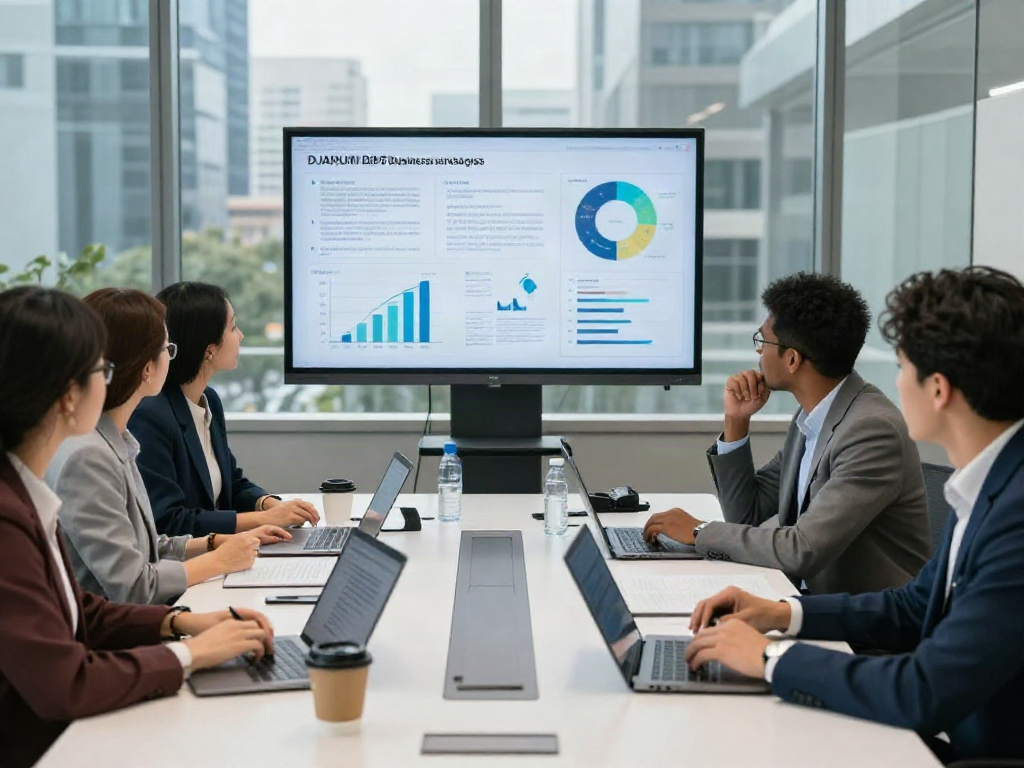
Understanding the Basics of Collaboration
What is Collaboration?
Collaboration is the process of two or more people or organizations working together to achieve a common goal. It involves pooling resources, sharing knowledge, and leveraging the diverse strengths of team members to create outcomes that would be unattainable individually. Collaboration can occur across various environments, from corporate teams working on a project to communities coming together for a social cause. Effective collaboration fosters creativity, enhances problem-solving, and promotes a sense of belonging and community among participants.
Benefits of Working Together
The advantages of effective collaboration are numerous. Some of the key benefits include:
- Enhanced Creativity: A diverse group brings varied perspectives, which can lead to innovative solutions and ideas.
- Improved Efficiency: Collaborative efforts often result in faster problem-solving as tasks and responsibilities are distributed.
- Strengthened Relationships: Working together builds trust, enhances communication, and fosters teamwork.
- Shared Knowledge: Team members can learn from one another, leading to skill development and increased expertise.
- Greater Accountability: When individuals commit to a collaborative effort, they are more likely to be accountable for their contributions.
Key Elements of Successful Collaboration
Success in collaboration hinges on several key elements:
- Clear Goals: Everyone must understand the objectives and desired outcomes of the collaboration.
- Defined Roles: Each participant should have a clear understanding of their responsibilities and how they contribute to the overall mission.
- Open Communication: Transparent and open communication channels promote trust and reduce misunderstandings.
- Mutual Respect: Valuing each member's contributions fosters a positive collaborative atmosphere.
- Flexibility: Being adaptable to changes and challenges during the collaboration process is crucial.
Establishing Clear Communication
Effective Communication Techniques
For collaboration to thrive, effective communication techniques must be implemented. These include:
- Active Listening: Encourage team members to truly listen to one another, fostering a culture of respect and understanding.
- Regular Check-ins: Schedule consistent meetings to discuss progress, address concerns, and ensure alignment on goals.
- Feedback Mechanisms: Create channels for team members to give and receive feedback regularly, building a culture of continuous improvement.
Utilizing Collaboration Tools
Modern technology provides a plethora of collaboration tools that can enhance communication and efficiency. Tools like project management platforms and instant messaging applications help teams stay connected. Utilizing platforms such as G Suite for document sharing, or dedicated project management tools such as Trello or Asana, can streamline workflows and clarify responsibilities.
Setting Ground Rules for Discussions
Establishing ground rules for meetings and discussions is essential. These rules can include guidelines on how to engage in discussions, respect ideas, and handle disagreements. Creating an environment where all voices are heard and valued is critical for productive collaboration.
Encouraging Participation and Engagement
Creating a Safe Space for Ideas
Fostering a safe environment where team members feel comfortable sharing their ideas without judgment is foundational for collaboration. Leaders can encourage this by promoting positivity and openness, ensuring each member knows that their contributions are valued.
Incentivizing Contributions from Team Members
Incentives can be powerful motivators in collaborative settings. Recognizing and rewarding team members for their contributions not only boosts morale but also encourages others to engage actively in the collaboration process. Incentives can be as simple as verbal recognition during meetings or more formal recognitions such as awards or bonuses.
Balancing Input Among All Participants
Effective collaboration is characterized by balanced input from all participants. Facilitate discussions in a manner that ensures every voice is heard, and actively encourage quieter members to share their perspectives. Implement techniques like round-robin sharing or anonymous feedback collection to promote equal contributions.
Managing Conflict and Challenges
Identifying Sources of Conflict
In any collaborative effort, conflicts may arise due to differing opinions, miscommunications, or competition for resources. Being proactive in identifying potential sources of conflict can help in mitigating issues before they escalate. Regularly assess group dynamics and be attentive to signs of friction among team members.
Strategies for Conflict Resolution
When conflicts do occur, it is essential to address them promptly and constructively. Some effective strategies include:
- Open Dialogue: Encourage team members to express their concerns in a respectful manner.
- Seek Common Ground: Find areas where all parties can agree, paving the way for a collaborative solution.
- Involve a Neutral Party: Sometimes, bringing in a neutral third party can help mediate disagreements effectively.
When to Seek Mediation
If conflicts cannot be resolved internally, it may be necessary to seek outside mediation. This is particularly relevant in situations where communication breaks down completely or when conflicts become prolonged. Utilizing a mediator can provide a fresh perspective and help navigate difficult conversations more efficiently.
Measuring Success and Outcomes
Defining Success Metrics for Collaboration
Establishing clear metrics for success can help teams assess the effectiveness of their collaborative efforts. These metrics can vary based on the nature of the collaboration but often include factors such as project completion rates, quality of output, and team satisfaction levels. Defining success at the outset ensures everyone is aligned on what collaboration aims to achieve.
Assessing Team Performance
Periodic assessments of team performance can provide valuable insights into collaborative effectiveness. This may involve feedback surveys from team members, reflection meetings to discuss what worked and what didn’t, and analysis of whether the established goals have been met. Assessments can inform future collaborations and highlight areas for improvement.
Integrating Feedback for Continuous Improvement
Feedback should be actively sought and integrated into collaborative practices to foster continuous improvement. Teams should establish processes for collecting, analyzing, and implementing feedback on collaboration approaches and outcomes. This cycle of reflection and adaptation can greatly enhance the quality of future collaborative efforts.
Frequently Asked Questions
What is the main advantage of teamwork?
Teamwork enhances creativity and innovation as diverse perspectives lead to better solutions and ideas.
How can I improve communication in my team?
Utilizing clear channels and setting regular check-ins fosters open dialogue and transparency among team members.
What tools can aid collaborative efforts?
Apps like Slack, Trello, or Microsoft Teams streamline project management and enhance communication in teams.
How do I handle team conflicts?
Address conflicts directly by facilitating discussions to understand differing viewpoints and seeking common ground.
What metrics assess collaboration success?
Evaluate success through project outcomes, team satisfaction surveys, and feedback on collaborative efforts for improvement.
To learn more about enhancing your teamwork and collaboration skills, you can explore How to work harmoniously with your team and drive successful results.