
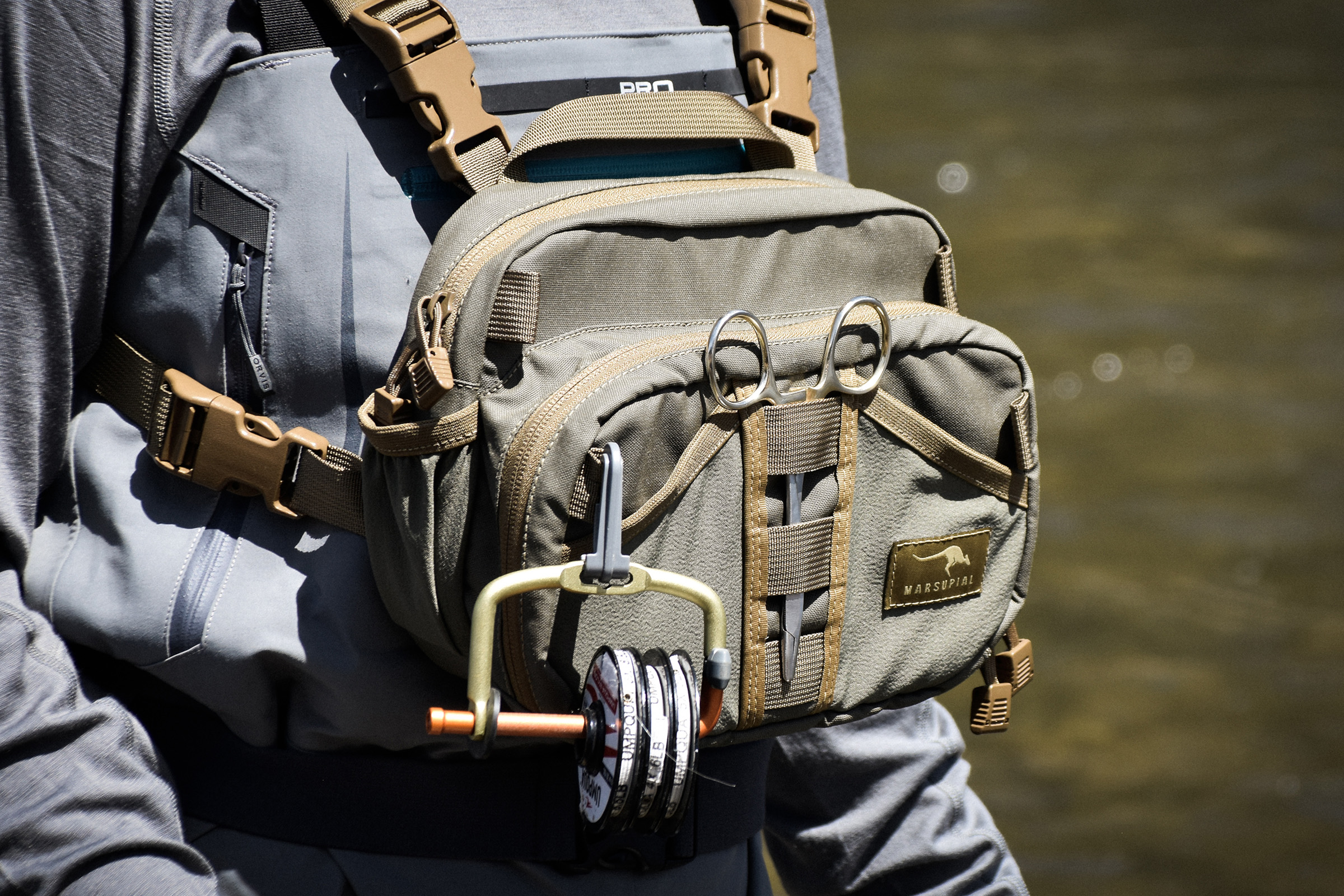
Fly fishing is more than a hobby; it’s a lifestyle that requires the right gear to make your experience enjoyable and efficient. One of the most important pieces of equipment for any angler is a reliable fly fishing bag. Your bag doesn’t just carry your gear—it keeps it organized, protected, and accessible when you need it most. With so many options available, choosing the perfect fly fishing bag can feel overwhelming. This guide will help you understand what to look for, ensuring you invest in a bag that enhances your fly fishing adventures.
Why a Quality Fly Fishing Bag Matters
A high-quality fly fishing bag is essential for both casual and serious anglers. It provides organization for your flies, tippets, leaders, reels, and other essential gear. A well-designed bag can also protect your equipment from the elements, whether it’s rain, mud, or dust. By selecting the right fly fishing bag, you save time at the water, reduce frustration, and increase your overall fishing success.
Types of Fly Fishing Bags
There are several types of fly fishing bags available, and each serves a different purpose:
- Backpack Fly Fishing BagsThese are ideal for anglers who hike to remote fishing locations. A backpack fly fishing bag distributes weight evenly, allowing you to carry heavy loads comfortably. Many come with multiple compartments and waterproof sections to keep your gear organized and dry.
- Chest PacksChest packs sit on your front, keeping your gear within easy reach. They are perfect for wading in rivers or streams because you can access flies, leaders, and tools without stopping your cast. A chest pack fly fishing bag is convenient but usually carries less gear than a backpack.
- Waist PacksWaist packs, also known as fanny packs, are compact and lightweight. These fly fishing bags are great for short trips or when you need quick access to a few essentials. They are less cumbersome than backpacks and allow greater freedom of movement.
- Tackle Boxes and Gear BagsSome anglers prefer traditional tackle boxes or specialized gear bags. These are excellent for organizing flies and small tools at home or in a vehicle but may be less convenient for long wading trips.
Key Features to Look For in a Fly Fishing Bag
When choosing a fly fishing bag, there are several features to consider:
- Durability: Look for heavy-duty materials like nylon or canvas with reinforced stitching. A durable fly fishing bag withstands rough conditions and lasts for years.
- Water Resistance: Waterproof or water-resistant bags protect your gear from rain, river splashes, and accidental submersion.
- Compartments and Organization: Multiple pockets, dividers, and fly boxes keep your gear organized and prevent tangles.
- Comfort: Padded straps and ergonomic designs make carrying your fly fishing bag easier, especially on long hikes.
- Accessibility: Quick-access pockets and external loops allow you to reach essential gear without unpacking the entire bag.
How to Match a Fly Fishing Bag to Your Needs
Choosing the right fly fishing bag depends on your fishing style and the type of trips you take:
- For Hikers and Backpackers: A lightweight backpack fly fishing bag with multiple compartments is ideal.
- For Wading in Rivers: A chest pack fly fishing bag provides quick access to flies and tools without interrupting your casting.
- For Casual or Local Trips: A waist pack fly fishing bag or small tackle bag is convenient and easy to carry.
Tips for Maintaining Your Fly Fishing Bag
Once you invest in the perfect fly fishing bag, proper care ensures it lasts longer:
- Clean your bag after each trip, especially if it gets wet or muddy.
- Dry it completely before storing to prevent mold or mildew.
- Check zippers, straps, and seams regularly for wear and tear.
- Organize gear periodically to avoid clutter and maintain quick access.
Top Mistakes to Avoid When Choosing a Fly Fishing Bag
Many anglers make common mistakes when selecting a fly fishing bag:
- Buying a bag based solely on looks rather than functionality.
- Choosing a bag that’s too small or lacks adequate compartments.
- Ignoring comfort and support features, which can lead to fatigue.
- Overlooking waterproofing, which can ruin gear in wet conditions.
Selecting the right fly fishing bag may seem like a small detail, but it significantly affects your fishing experience. A bag that is durable, comfortable, and well-organized keeps your gear safe and accessible, making every trip more enjoyable.
A fly fishing bag is more than just a storage solution—it’s an essential tool for every angler. By understanding the types of bags available, the features that matter, and how to match a bag to your fishing style, you can make an informed decision. Whether you prefer a backpack, chest pack, or waist pack, investing in the perfect fly fishing bag ensures your gear stays organized, protected, and ready for your next adventure. With proper maintenance and careful selection, your fly fishing bag will serve as a reliable companion on countless trips, making your fishing experience smoother, more efficient, and far more enjoyable.