Understanding British Pond Plants
Creating a vibrant garden pond is a rewarding endeavor, especially when it involves selecting the right British Pond Plants. These native species not only enhance the beauty of your water feature, but also play vital roles in maintaining ecological balance. Each type of pond plant has unique characteristics, and understanding them is essential for any pond enthusiast or gardener.
What Are British Pond Plants?
British pond plants encompass a variety of species that thrive in the unique climates and ecosystems found across the United Kingdom. These plants are categorized based on their growth habits and where they flourish, including submerged, floating, and emergent types. They provide not only aesthetic value but also a functional role in aquatic ecosystems by improving water quality and providing habitat for wildlife.
Importance of Native Species
Native pond plants have evolved to live within specific regional climates and habitats, making them better suited to local conditions than many introduced species. They are crucial for maintaining biodiversity, as they support various forms of wildlife, including insects, amphibians, and birds. Moreover, native plants can enhance the resilience of pond ecosystems against changing climatic conditions and invasive species.
Common Types of British Pond Plants
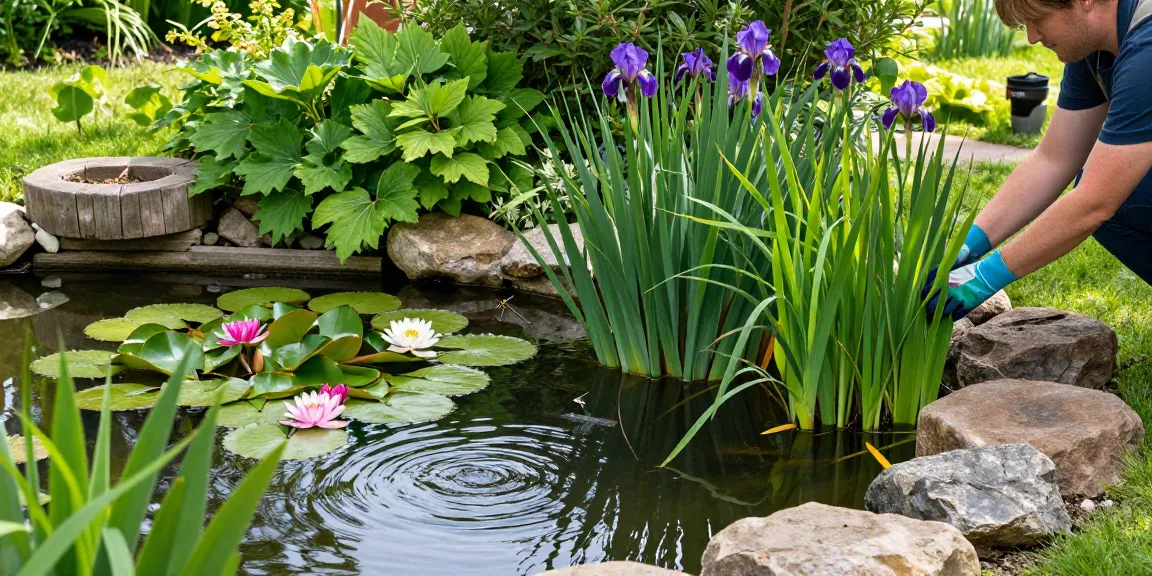
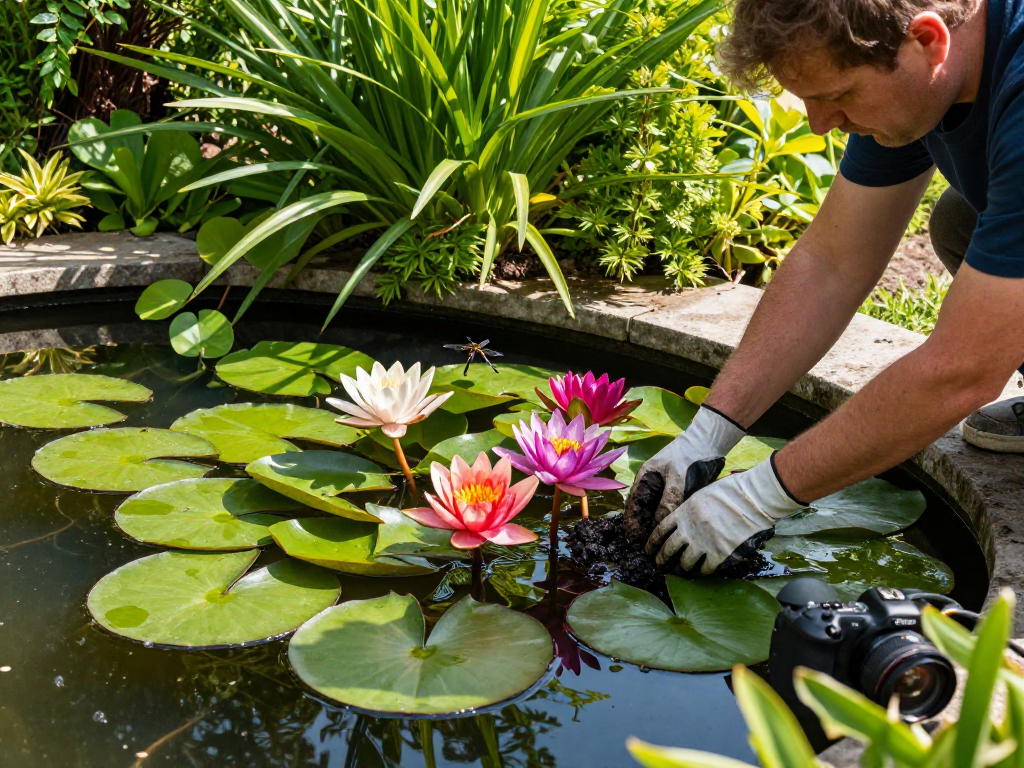
- Water Lilies (Nymphaea): Known for their stunning flowers and broad leaves, water lilies are a favorite among pond owners. They provide shade and help reduce algae growth.
- Reedmace (Typha): Often found at the edges of ponds, reedmace contributes to wetland habitats and offers shelter to various wildlife.
- Hornwort (Ceratophyllum demersum): This submerged plant is an excellent oxygenator, making it essential for keeping pond water healthy.
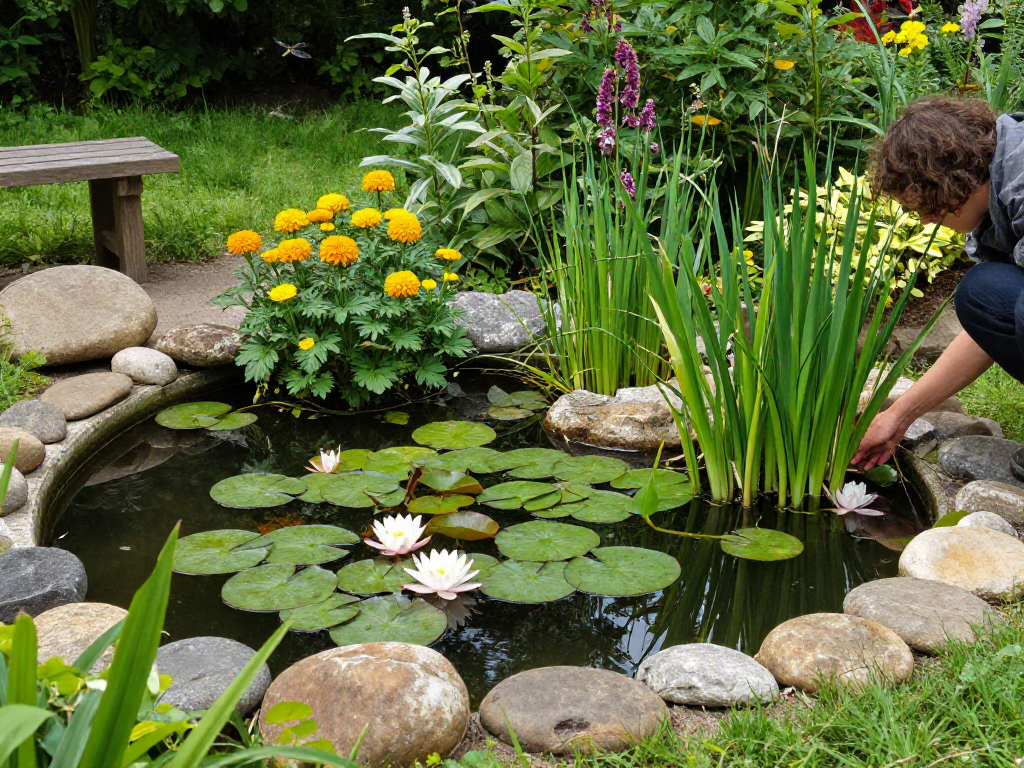
- Marsh Marigold (Caltha palustris): A beautiful spring-flowering plant, marsh marigold thrives in the mud around pond margins.
- Water Forget-me-not (Myosotis scorpioides): Not only does this plant add color to the garden, but it also attracts pollinators.
Choosing the Right Plants for Your Pond
Selecting the appropriate plants for your pond can significantly influence its aesthetic and ecological success. Several factors should be considered to create a harmonious balance among plant species and their environment.
Factors to Consider When Selecting Plants
- Water Depth: Different plants require varying water depths to thrive. Ensure that you choose plants suited to your pond’s depth.
- Sunlight Availability: Some plants prefer full sun, while others thrive in partial shade. Assess the amount of direct sunlight your pond receives.
- Local Soil Conditions: The type of soil around your pond can affect plant growth. Ensure plants are compatible with the local soil type.
- Wildlife Attractiveness: If wildlife support is a goal, select plants known to attract specific species of birds and insects.
Mixing Cultures: Oxygenators, Floaters, and Marginals
Creating a diverse plant community involves mixing various categories of plants—oxygenators, floaters, and marginals. Each category plays a specific role:
- Oxygenators: These submerged plants like hornwort and eelgrass help maintain water quality by producing oxygen and absorbing nutrients.
- Floaters: Floating plants such as duckweed and water hyacinth provide shade and reduce algae growth, stabilizing the ecosystem.
- Marginals: Plants that grow at the water’s edge, like yellow flag iris and spider lily, create a habitat for wildlife while preventing erosion.
Regional Variations in Plant Preference
Different regions in the UK have distinct climates and soil types that influence plant growth. For example, plants in the wetter areas of Wales might differ from those found in drier climates in the southeast. Researching local plant species encourages the creation of a successful pond ecosystem tailored to your geographic area.
Plant Care and Maintenance Tips
To ensure that your British pond plants flourish, proper care and maintenance are essential. Here are some best practices.
Best Practices for Healthy Growth
- Regularly Monitor Water Levels: Maintaining optimal water levels is crucial for plant health; too little or too much can stress plants.
- Fertilization: Use organic fertilizers sparingly to avoid excess nutrients that can lead to algae blooms.
- Pruning: Removing dead or decaying foliage promotes healthy growth and reduces the risk of disease.
- Seasonal Planting: Consider planting during the spring when temperatures warm up, stimulating growth.
Dealing with Invasive Species
Invasive species can outcompete native pond plants, jeopardizing the ecosystem's balance. Regular monitoring and removal of invasive plants like Japanese knotweed are crucial. Implementing physical barriers or using biological controls can also mitigate their impact.
Seasonal Care Routines for Pond Plants
- Spring: Fertilize and plant new species; prune any winter-damaged foliage.
- Summer: Maintain water levels and monitor for pests or diseases; ensure adequate shading for delicate plants.
- Autumn: Prepare plants for winter by cutting back and securing any floating species.
- Winter: Protect delicate plants from freezing temperatures; consider insulating the pond if you live in an area with harsh winters.
Creating a Balanced Pond Ecosystem
A healthy pond ecosystem requires a careful balance of plants, fish, and wildlife. Each element interacts to sustain life and improve water quality.
The Role of Fish and Other Wildlife
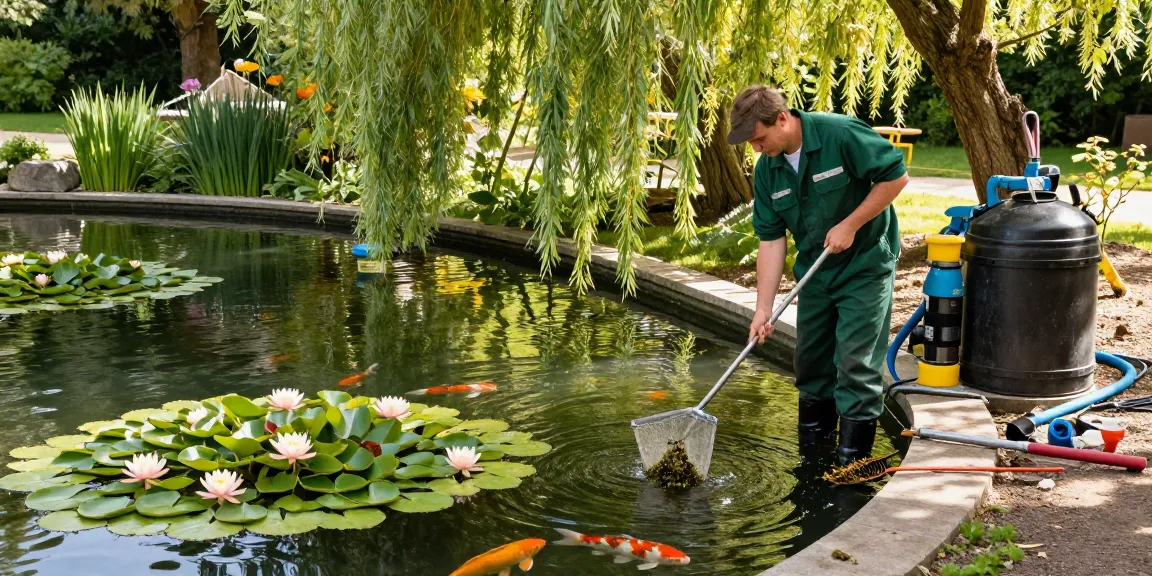
Fish such as goldfish and koi can help control insects and algae populations while benefiting from the shelter that plants provide. Additionally, other wildlife like frogs and dragonflies contribute to the pond’s ecosystem by acting as natural pest control.
Water Quality Management for Plant Health
For optimal plant growth, maintaining water quality is essential. Regularly test for pH levels, oxygen content, and nutrient balance. Aeration systems can help improve oxygen levels, which is vital for both fish and plant health.
Integrating Landscaping with Your Pond
Landscaping around your pond can enhance its natural beauty and prevent erosion. Native plants should be integrated into the landscape design to create a seamless transition from pond to garden, providing habitat and food for local wildlife.
Future Trends in Pond Gardening
As the 21st century progresses, pond gardening is seeing innovative trends, emphasizing sustainability and ecological harmony.
Innovative Techniques for Sustainable Gardening
Techniques such as rainwater harvesting for pond filling and the use of permaculture principles to design pond ecosystems are becoming more common. These practices not only support plant health but also conserve water resources.
Predicted Changes in Plant Species Popularity
As climate conditions continue to shift, certain species may become more favored than others. For instance, species that can thrive in varied moisture levels or that provide resilience against extreme weather events are likely to gain popularity.
Embracing Technology in Pond Management
Advancements in technology, such as automated sensors for monitoring water quality and smartphone apps for plant identification, are transforming pond management. These tools can assist gardeners in making informed decisions about their pond ecosystems, ensuring they remain balanced and healthy.
What are the best British pond plants for beginners?
For beginners, it's advisable to start with hardy and easy-to-care-for plants such as water lilies, marsh marigolds, and oxygenators like hornwort. These species require minimal maintenance and are resilient to various environmental conditions.
How do I maintain water quality for pond plants?
Regular testing of water quality is key, along with ensuring good circulation and aeration. Adding beneficial bacteria, avoiding chemical fertilizers, and using natural filters can all contribute to maintaining a healthy aquatic environment.
Can I mix native and non-native plants in my pond?
While mixing native and non-native plants can create a visually striking pond, caution is advised. Non-native plants may become invasive, outcompeting local species. Consult local experts or gardening centers for advice on suitable combinations.
What are the benefits of having a pond in my garden?
Ponds enhance biodiversity, provide habitats for wildlife, and create a serene environment. They can also serve as a natural filtration system for runoff, improving water quality and attracting beneficial insects to your garden.
How can I attract wildlife to my garden pond?
Encouraging wildlife to your pond involves planting native species, providing shelter with rocks and logs, and ensuring there are areas for wildlife to access water safely. Additionally, placing bird feeders nearby can enhance the rich biodiversity around your pond.