
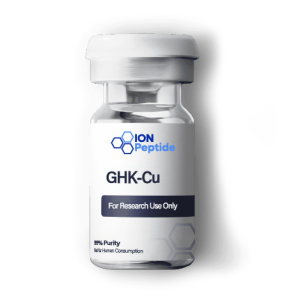
GHK-CU is a naturally occurring copper-binding peptide that has become a central focus in regenerative science due to its remarkable ability to support tissue repair, cellular regeneration, and overall biological health. Found in human plasma, saliva, and urine, GHK-CU plays a pivotal role in modulating gene expression, promoting collagen synthesis, and enhancing cellular communication. Current research continues to uncover new applications and mechanisms of this powerful peptide.
GHK-CU and Tissue Regeneration
One of the primary areas of research on GHK-CU is its role in tissue regeneration. Studies show that GHK-CU stimulates fibroblasts, keratinocytes, and stem cells, which are essential for repairing damaged tissues. By promoting collagen and elastin production, GHK-CU strengthens the extracellular matrix, improving skin elasticity, wound healing, and overall tissue integrity. These regenerative properties make GHK-CU a critical molecule in both therapeutic and cosmetic applications.
Gene Expression and Cellular Communication
GHK-CU influences the expression of numerous genes associated with inflammation, oxidative stress, and tissue remodeling. By modulating these pathways, GHK-CU improves cellular communication, ensuring that regenerative processes occur efficiently. Research indicates that GHK-CU helps coordinate repair mechanisms across different cell types, making it essential for maintaining homeostasis and promoting long-term tissue health.
Applications in Wound Healing
GHK-CU has demonstrated significant potential in wound healing research. The peptide accelerates recovery by enhancing fibroblast activity, stimulating angiogenesis, and reducing oxidative stress at injury sites. Additionally, GHK-CU regulates inflammatory responses, creating an optimal environment for tissue repair. These properties suggest that GHK-CU could be used in clinical settings for chronic wounds, burns, and post-surgical healing.
Skin and Hair Regeneration
Research also highlights the cosmetic and therapeutic benefits of GHK-CU. In skin, GHK-CU promotes collagen synthesis, reduces fine lines, and improves elasticity and hydration. For hair, GHK-CU strengthens follicles, stimulates growth, and supports overall scalp health. These regenerative effects underscore the peptide’s versatility and its relevance to both anti-aging and dermatological research.
Anti-Inflammatory and Antioxidant Effects
GHK-CU exhibits potent anti-inflammatory and antioxidant activity. By reducing oxidative stress and controlling inflammation, GHK-CU protects cells from damage and supports efficient tissue repair. These molecular actions are especially valuable in aging tissues or chronic conditions, where cellular resilience is compromised.
Future Directions in GHK-CU Research
Ongoing studies are exploring new delivery methods for GHK-CU, including advanced topical formulations, injections, and combination therapies. Scientists are also investigating synergistic effects with other regenerative molecules to enhance tissue repair and cellular renewal. The multifunctional nature of GHK-CU ensures that it remains a key focus in regenerative medicine, cosmetic science, and anti-aging therapies.
Conclusion
GHK-CU is a powerful copper-binding peptide with extensive applications in regenerative science. By promoting tissue repair, enhancing cellular communication, supporting skin and hair regeneration, and modulating oxidative stress and inflammation, GHK-CU plays a central role in cellular health and longevity. Ongoing research continues to validate its therapeutic and cosmetic potential, establishing GHK-CU as a cornerstone peptide in modern regenerative and anti-aging science.