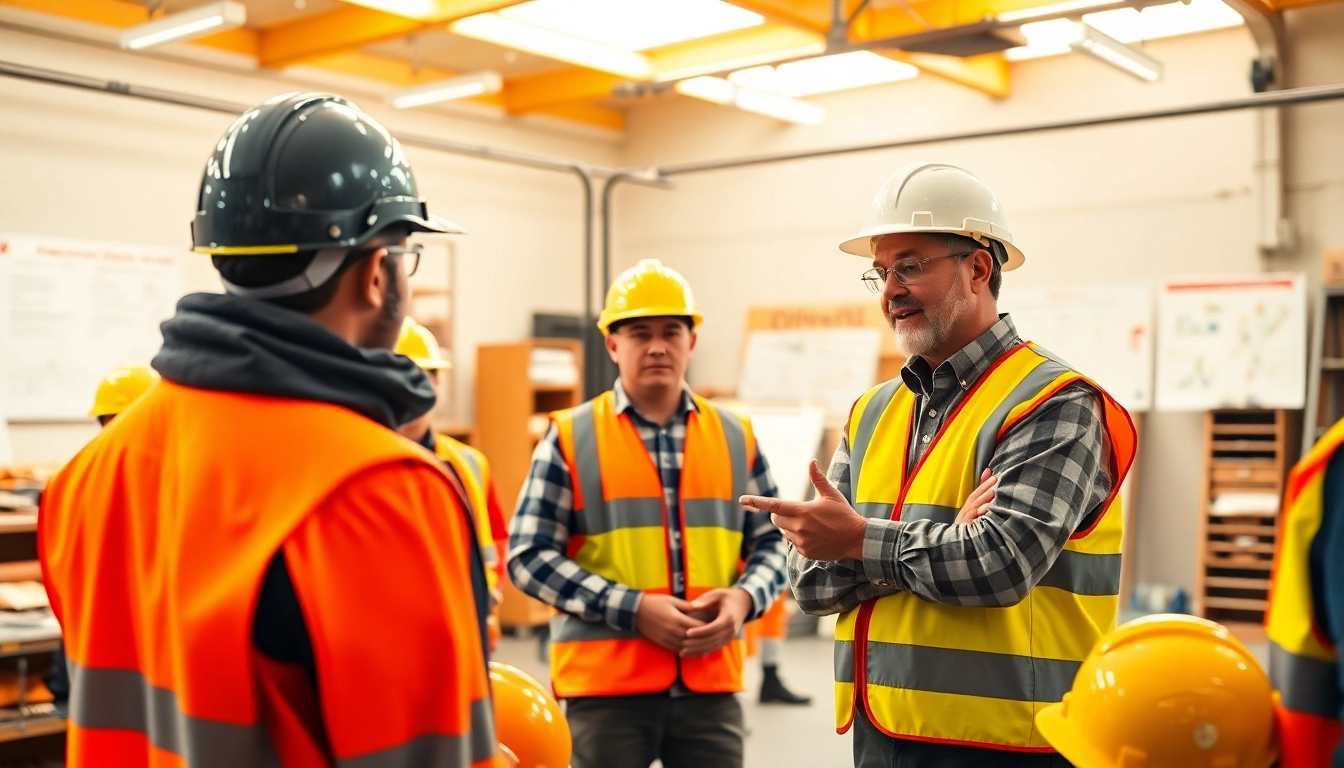
Understanding the Importance of Construction Safety Training
In the construction industry, safety is not just a requirement but a fundamental aspect that ensures the well-being of workers and the overall success of a project. The implementation of construction safety training is crucial in fostering a safe working environment, reducing incidents, and enhancing productivity. This article delves into the significance of safety training, exploring its objectives, compliance requirements, and the long-term benefits it offers to both workers and employers.
Definition and Goals of Construction Safety Training
Construction safety training refers to the systematic approach of educating workers about the safety protocols, hazards, and best practices specific to the construction sector. The primary goals of construction safety training include:
- Identifying common hazards associated with construction work.
- Teaching proper use of safety equipment and personal protective gear.
- Empowering workers to recognize unsafe conditions and rectify them.
- Creating a culture of safety that permeates every level of the organization.
Legal Requirements and Compliance Standards
Various governmental bodies regulate construction safety practices, mandating specific training programs to comply with occupational safety standards. Key regulations include the Occupational Safety and Health Administration (OSHA) guidelines, which require employers to provide training on hazard recognition, safe practices, and emergency response. Adhering to these standards not only minimizes legal liabilities but also enhances the reputation and trustworthiness of construction firms.
Long-term Benefits for Workers and Employers
Investing in construction safety training yields significant long-term benefits:
- Reduction in workplace accidents and injuries, which leads to lower insurance premiums.
- Enhanced worker morale and productivity, as employees feel secure and valued.
- Improved project timelines and cost efficiency through fewer disruptions caused by accidents.
- Strengthened compliance with regulations, resulting in fewer legal complications.
Key Components of Effective Construction Safety Training
To maximize the impact of construction safety training, it is essential to incorporate various key components that address the unique challenges of the construction environment.
Types of Construction Safety Training Programs
Different types of training programs can be utilized to cater to diverse needs within the construction industry, including:
- On-the-job training: Practical training that occurs in the actual work environment, allowing workers to learn by doing.
- Classroom training: Formal training sessions that educate workers on safety theory, policies, and procedures.
- Online training: Flexible training options that allow employees to complete courses at their convenience, often using multimedia to enhance learning.
- Specialized training: Focused programs for specific roles, such as heavy machinery operation, fall protection, or hazardous material handling.
Essential Safety Equipment and Tools
Proper safety equipment is paramount in ensuring worker safety. Essential tools include:
- Personal Protective Equipment (PPE) like hard hats, gloves, goggles, and high-visibility vests.
- Fall protection systems, such as harnesses and guardrails.
- Fire safety equipment, including extinguishers and alarms.
- First-aid kits and emergency response equipment to address accidents promptly.
Developing a Comprehensive Training Curriculum
Creating a well-rounded training curriculum is essential for delivering effective instruction. Key aspects include:
- Conduct a thorough needs assessment to identify specific training requirements.
- Incorporate both theoretical knowledge and practical exercises to cater to different learning styles.
- Regularly review and update the curriculum to align with industry changes and technological advancements.
- Offer refresher courses to reinforce safety knowledge and skills.
Implementing Construction Safety Training in the Workplace
Effective implementation of construction safety training is crucial for fostering a safe working environment. This involves a comprehensive approach that engages all levels of the organization.
Creating a Safety Culture Within Teams
Developing a strong safety culture requires active participation from both management and workers. This can be achieved by:
- Establishing clear safety goals and sharing them with all team members.
- Encouraging open communication regarding safety concerns, allowing workers to voice their opinions without fear of repercussions.
- Recognizing and rewarding safe practices to motivate employees
- Leading by example; management must demonstrate a commitment to safety in their actions.
Scheduling and Structuring Training Sessions
A well-structured training schedule is vital for maximizing participation and engagement. Considerations include:
- Scheduling training sessions at convenient times to minimize disruption to ongoing projects.
- Ensuring that training materials and resources are readily available for all participants.
- Including a mix of training formats to maintain interest and accessibility.
- Conducting pre- and post-training assessments to measure knowledge gains and identify areas for improvement.
Measuring Training Impact and Outcomes
To determine the effectiveness of training initiatives, organizations should establish metrics to evaluate outcomes. This can include:
- Tracking incident rates before and after training to gauge improvement.
- Gathering feedback from participants to assess their confidence in applying safety practices.
- Monitoring compliance with safety protocols post-training to ensure ongoing adherence.
- Conducting follow-up training sessions based on assessment results to address persistent gaps in knowledge.
Challenges in Construction Safety Training
Despite its benefits, implementing construction safety training presents several challenges that must be addressed proactively.
Identifying Common Obstacles to Training Success
Common obstacles that hinder effective training include:
- Employee resistance due to lengthy or perceived unnecessary training.
- Limited resources or budget constraints that impact the quality of training offered.
- Poor training availability leading to scheduling conflicts.
- Lack of follow-through that diminishes the effectiveness of the training.
Overcoming Resistance to Safety Protocols
Resistance to safety protocols can be mitigated through continuous engagement and education. Strategies to overcome resistance include:
- Involving employees in the development of training programs to foster ownership.
- Demonstrating the real-world benefits of safety training through case studies or testimonials.
- Providing ongoing support and resources to assist employees in adapting to new safety protocols.
- Emphasizing the personal benefits of safety training, affecting their well-being and career.
Adapting Training for Diverse Workforce Needs
Diversity in the workforce presents unique challenges. Adapting training programs to accommodate various needs involves:
- Customizing training content to cater to different experience levels, languages, and learning preferences.
- Incorporating visual aids and hands-on practice for individuals who benefit from experiential learning.
- Allowing for varying durations of training sessions to accommodate different learning paces.
- Engaging bilingual trainers or interpreters for non-native speakers to enhance understanding.
Future Trends in Construction Safety Training
As the construction industry continues to evolve, so do the approaches to safety training. Staying updated on future trends is essential for effective training.
Incorporating Technology and Innovations
Integration of technology in training programs is increasingly prevalent. Future trends include:
- Virtual reality (VR) and augmented reality (AR) for immersive training experiences that simulate real-life scenarios without risk.
- Mobile applications that provide on-demand training modules and resources.
- Data analytics to track training effectiveness and customize training plans based on real-time feedback.
- Online platforms that offer interactive courses, enhancing engagement through multimedia elements.
Personalization in Training Approaches
The move towards personalized training is gaining traction. This can involve:
- Tailoring training programs based on individual roles, risks, and previous knowledge.
- Offering self-paced training options that allow workers to learn at their own speed.
- Utilizing assessments to create customized learning paths that focus on areas where individuals require further instruction.
- Soliciting ongoing feedback to adapt training content as needed.
Staying Ahead of Industry Changes and Regulations
The construction industry is marked by constant change, including innovations, tools, and regulations. Staying ahead requires:
- Regularly reviewing and updating training programs to align with new regulations and industry best practices.
- Participating in industry seminars and workshops to remain informed on emerging trends and technologies.
- Encouraging continuous learning opportunities beyond regulatory requirements to foster a proactive safety culture.
- Networking with industry professionals to share experiences and gain insights on effective training practices.
Frequently Asked Questions about Construction Safety Training
What is the primary goal of construction safety training?
The primary goal of construction safety training is to educate workers on recognizing hazards and implementing safety measures, thereby reducing the risk of accidents and injuries on site.
How often should safety training be updated?
Safety training should be updated regularly, at least annually, or whenever new regulations are introduced or significant changes to operations occur.
What types of training programs are most effective?
Effective programs often combine on-the-job training with formal classroom instruction, tailored to meet the specific roles and risks of the workforce.
How do I measure the effectiveness of safety training?
Measure effectiveness by tracking incident rates pre- and post-training, collecting participant feedback, and observing compliance with safety protocols.
Can technology improve construction safety training?
Yes, incorporating technology such as VR and online platforms can enhance engagement and provide immersive learning experiences that better prepare workers for real-world scenarios.