Understanding Your Clothing Store Market
Before diving into the intricacies of operating a successful Clothing store, it is essential to first establish a solid understanding of the surrounding market dynamics. This understanding not only aids in strategically positioning your store but also in fostering meaningful connections with your target audience. In this section, we will explore how to effectively identify your target customers, analyze market trends, and conduct a thorough competitive analysis.
Identifying Target Customers
Your target customers are the lifeblood of your Clothing store. They should define every aspect of your business, from the products you offer to the marketing strategies you implement. Understanding who your customers are involves several key steps:
- Demographic Analysis: Start with demographic data. Identify your customers' age, gender, income level, education, and geographic location. Utilize surveys or customer interviews to gain insights and refine your target audience.
- Psycho-graphic profiling: Go beyond basics by analyzing their values, interests, lifestyles, and purchasing habits. This can help you understand what they seek in clothing and how to better market your offerings.
- Customer Segmentation: Segment customers into groups based on shared characteristics. This tactic enables personalized marketing and product recommendations, increasing customer engagement and sales.
Utilizing tools like Google Analytics and social media insights can provide valuable data about your website visitors and social media followers, contributing to the creation of a comprehensive customer profile.
Analyzing Market Trends
Staying ahead of market trends is vital for any Clothing store. Understanding current and emerging trends can help you forecast demand, which in turn allows for better inventory management and marketing strategies. Here are some strategies for analyzing market trends:
- Industry Reports: Leverage reports from industry experts outlining fashion trends, consumer behavior developments, and economic conditions that affect the retail market.
- Fashion Shows and Trade Shows: Attending these events can help you gain firsthand experience of upcoming trends and consumer reactions. They provide a platform for discovering new fabrics, styles, and ideas.
- Social Media Trends: Platforms like Instagram and Pinterest are excellent resources for spotting fashion trends. Pay attention to influencers and how they interact with their followers' preferences.
Analyze competitor offerings and consumer responses to remain agile and responsive to shifting consumer desires.
Conducting Competitive Analysis
A comprehensive competitive analysis sheds light on how your store stacks up against competitors. Knowing how other businesses operate, their strengths and weaknesses, and their customer engagements can provide a roadmap for differentiation. You can conduct a competitive analysis through the following steps:
- Identify Direct Competitors: Determine who your direct competitors are in your region and online. Pay attention to those selling similar products or targeting the same customer demographic.
- Analyze Their Offerings: Examine their product ranges, pricing strategies, and promotional methods. Identify what they do well and where they fall short.
- Customer Reviews: Take a close look at customer feedback on competitor stores. Analyze aspects like customer service, pricing perception, and delivery efficiency.
Conducting regular competitive analysis ensures you remain flexible and responsive to market dynamics, enhancing your store's positioning.
Designing an Inviting Clothing Store Layout
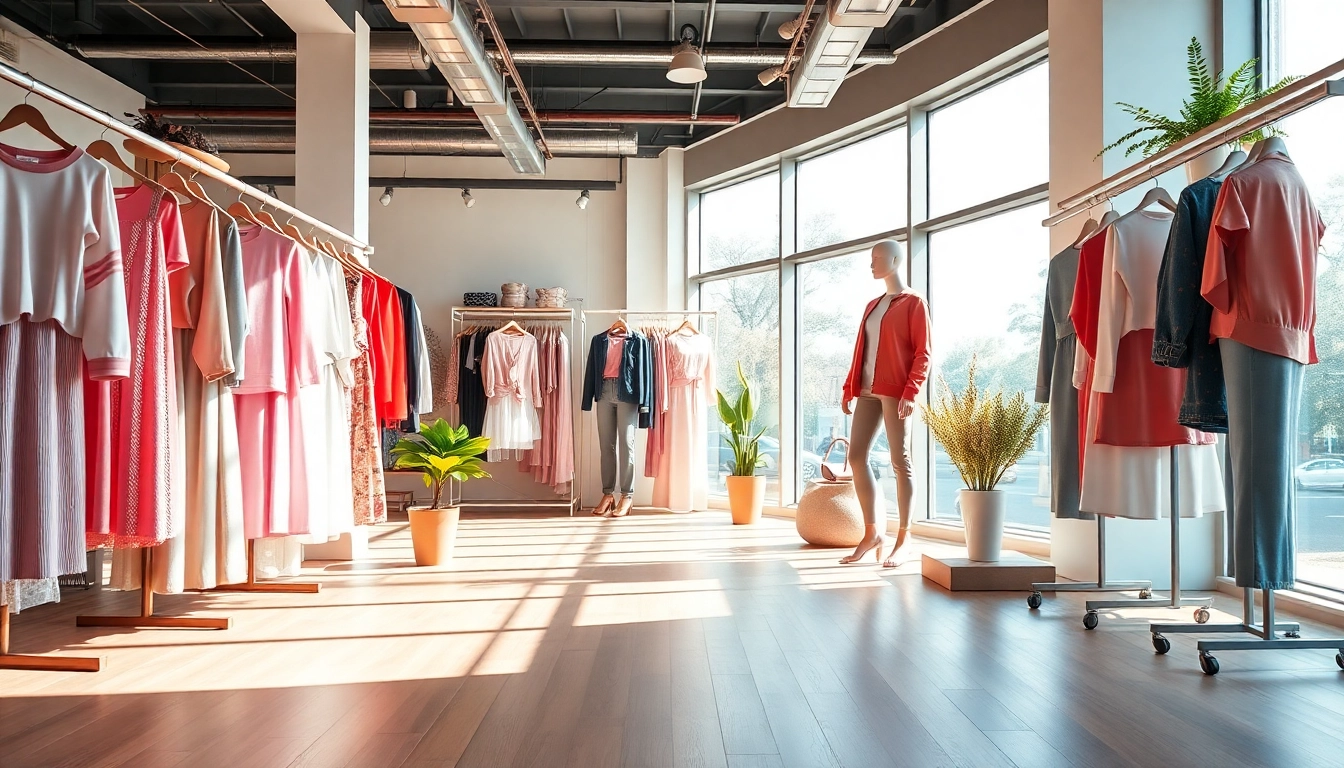
The layout of your Clothing store significantly impacts customer experience and, ultimately, sales. A well-thought-out design not only makes the shopping experience enjoyable but also guides shoppers through a seamless journey. This section explores how to create a customer-friendly flow, utilize effective visual merchandising, and enhance store ambiance.
Creating a Customer-Friendly Flow
Creating a layout that encourages movement through your store can lead to increased sales. Here are some steps to consider:
- Define Pathways: Design clear pathways that guide customers through various sections of your store. Use signage or flooring to delineate areas, making navigation intuitive.
- Product Placement: Position popular items near the entrance to attract customers immediately. Group similar products together, and ensure that frequently purchased items are accessible.
- Fitting Room Accessibility: Ensure fitting rooms are conveniently located. If customers can try on clothes easily, they are more likely to make a purchase.
Streamlining the flow encourages impulse buying and keeps customers engaged with your offerings.
Utilizing Effective Visual Merchandising
Visual merchandising plays a crucial role in capturing attention and creating a cohesive brand image. The right mix of aesthetics can entice shoppers and prompt purchases. Consider these elements:
- Color Schemes: Select a color palette that reflects your brand identity and appeals to your target audience. Colors influence mood and perception, so use them to enhance your overall theme.
- Creative Displays: Use mannequins, shelf displays, and window arrangements to tell visual stories. Highlight new arrivals or seasonal items through innovative display techniques.
- Lighting: Strategic lighting enhances product visibility and creates an inviting atmosphere. Soft, flattering lights can make colors pop and garments appear more appealing.
Effective visual merchandising not only showcases your products but also enhances the overall shopping experience.
Enhancing Engagement with Store Ambiance
The ambiance of your store significantly impacts customer behavior. A pleasant atmosphere fosters longer stays and can lead to increased sales. Consider the following:
- Music Selection: Carefully curate music that aligns with your brand's identity. Upbeat music can energize customers, while softer tunes promote relaxation.
- Scents: Incorporate pleasant scents to create a welcoming environment. Scents have a psychological impact and can evoke emotions or memories.
- In-Store Staff: Ensure your staff embodies your brand's persona. Friendly, knowledgeable employees can enhance customer experiences and encourage repeat visits.
A well-crafted ambiance considerably enhances customer satisfaction, making your Clothing store a preferred shopping destination.
Building a Memorable Brand for Your Clothing Store
Establishing a strong brand presence is essential for differentiation in the competitive landscape of retail. Branding extends beyond logos and tags—it's about creating an emotional connection with consumers. This section will delve into crafting a unique selling proposition, developing strong brand messaging, and aligning store design with brand identity.
Crafting Your Unique Selling Proposition
Your unique selling proposition (USP) sets you apart from the competition. It should communicate the unique value your Clothing store provides. Here’s how to craft a compelling USP:
- Identify Your Strengths: Reflect on what your store excels at. Is it quality, style variety, affordability, or customer service?
- Research Your Audience: Understand what your target customers value in a clothing store. Your USP should align with their needs and expectations.
- Be Specific: A clear and specific USP is more effective than a vague statement. Consider including niche-specific elements that resonate with a targeted demographic.
Regularly revisiting and refining your USP can help adapt to evolving market trends and consumer needs.
Establishing Strong Brand Messaging
Brand messaging refers to how your brand communicates its values and purpose. It’s essential for building customer loyalty and trust. Here are steps to create effective brand messaging:
- Define Your Brand Voice: Determine the tone and style that reflects your brand personality. It can be formal, casual, playful, or sophisticated, depending on your target market.
- Consistent Communication: Ensure all communication channels (social media, website, in-store interactions) reflect your brand messaging for cohesiveness.
- Storytelling: Incorporate storytelling into your messaging. Share your brand's journey, values, and purpose to create connection and emotional resonance.
Strong brand messaging not only attracts customers but also fosters long-term loyalty.
Aligning Store Design with Brand Identity
Your store's physical space should echo your brand identity visually. Here’s how to achieve alignment:
- Exterior Design: Make sure the exterior reflects your brand vibe. It should be inviting and give a clear sense of what the store specializes in.
- Interior Decor: Incorporate your brand colors, logo, and visual elements into the interior design to create a cohesive shopping experience.
- Consistent Themes: The merchandise you carry should align with your brand identity. Keep offerings coherent to reinforce the brand experience.
A well-aligned brand identity fosters recognition and builds trust, leading to stronger customer relationships.
Effective Marketing Strategies for Your Clothing Store
Once you have a solid foundation for your Clothing store, effective marketing strategies become essential for attracting and retaining customers. This section addresses leveraging social media marketing, utilizing email campaigns, and engaging with local communities through events.
Leveraging Social Media Marketing
Social media platforms are powerful tools for reaching potential customers and engaging existing ones. Here's how to enhance your social media presence:
- Platform Selection: Choose the right platforms based on your target audience's demographics. For example, Instagram and Pinterest are great for fashion visually driven content.
- Content Strategy: Create a content mix that includes promotional posts, behind-the-scenes insights, customer testimonials, and user-generated content. Engage your audience with polls and contests.
- Collaboration with Influencers: Partnering with influencers who resonate with your target market can elevate your brand visibility and authenticity.
Consistency in posting and engaging with your audience cultivates brand loyalty and drives traffic to your Clothing store.
Utilizing Email Campaigns Effectively
Email marketing remains a vital component of online retail strategies. To maximize its impact, consider these approaches:
- Building Your Email List: Use sign-up forms on your website and social media channels to grow your list. Offer incentives such as discounts or exclusive previews to encourage sign-ups.
- Segmentation: Segment your email lists based on customer preferences and behaviors. Personalized emails have higher open rates and engagement.
- Valuable Content: Ensure your emails deliver value through fashion tips, styling guides, or upcoming trends, in addition to promotional offers.
Email campaigns can be an effective way to drive repeat purchases and keep your audience engaged with your brand.
Engaging Local Communities through Events
Community engagement can enhance brand loyalty and attract local customers. Here’s how to strategically engage with your community:
- Host Events: Organize in-store events like fashion shows, trunk shows, or themed gatherings. These events can create memorable experiences for your customers.
- Partner with Local Businesses: Collaborating with other local businesses can foster relationships and expand your audience reach. Joint events can draw crowd attention and generate mutual promotions.
- Support Local Causes: Supporting charitable initiatives aligns your store with community values and fosters goodwill. Consider donating a portion of sales to local charities.
Community engagement enhances your brand's local presence and fosters customer loyalty.
Measuring Success in Your Clothing Store
To ensure the continued success of your Clothing store, you need a robust system for measuring performance. This section outlines identifying key performance indicators, tracking sales and customer feedback, and iterating on strategies for continuous improvement.
Identifying Key Performance Indicators
Key performance indicators (KPIs) are essential for assessing business health and effectiveness. Determine which KPIs best align with your store's objectives:
- Sales Metrics: Monitor metrics such as total sales, average transaction value, and sales per square foot to derive insights into customer purchasing behavior.
- Customer Engagement Metrics: Track metrics such as foot traffic, website visits, and social media engagement to understand overall customer interactions with your brand.
- Inventory Turnover: Knowing how quickly products move through your store can inform inventory management and re-order strategies.
Reporting on KPIs regularly can pinpoint strengths and weaknesses, guiding further strategic decision-making.
Tracking Sales and Customer Feedback
Regularly tracking sales figures and capturing customer feedback is integral to improvement efforts. Consider these tactics:
- Sales Reports: Utilize sales data to analyze performance over various periods. This helps identify seasonal trends and informs inventory planning.
- Customer Surveys: Implement surveys post-purchase or solicit feedback through various channels, including social media and email. Pay particular attention to recurring comments for action.
- Engage with Reviews: Monitor online reviews to identify both strengths and areas needing improvement. Responding to reviews also demonstrates a commitment to customer experience.
Implementing feedback cycles helps ensure your store evolves with customer needs.
Iterating on Strategies for Continuous Improvement
The retail market constantly evolves, necessitating an ongoing commitment to improvement. To adapt successfully, consider the following:
- Regular Review Meetings: Schedule periodic reviews to analyze KPIs, customer feedback, and market trends. Use this data to make informed decisions about adaptations.
- Employee Development: Invest in training and upskilling your staff. Engaged employees who understand brand values and operational goals can drive improvements on various fronts.
- Test and Learn: Implement pilot tests with new strategies in small sections of your store, while measuring their impact before committing to a broader implementation.
Iterating based on empirical data fosters resilience and adaptability, ensuring sustained success for your Clothing store.