Understanding the Appeal of Custom Dining Tables
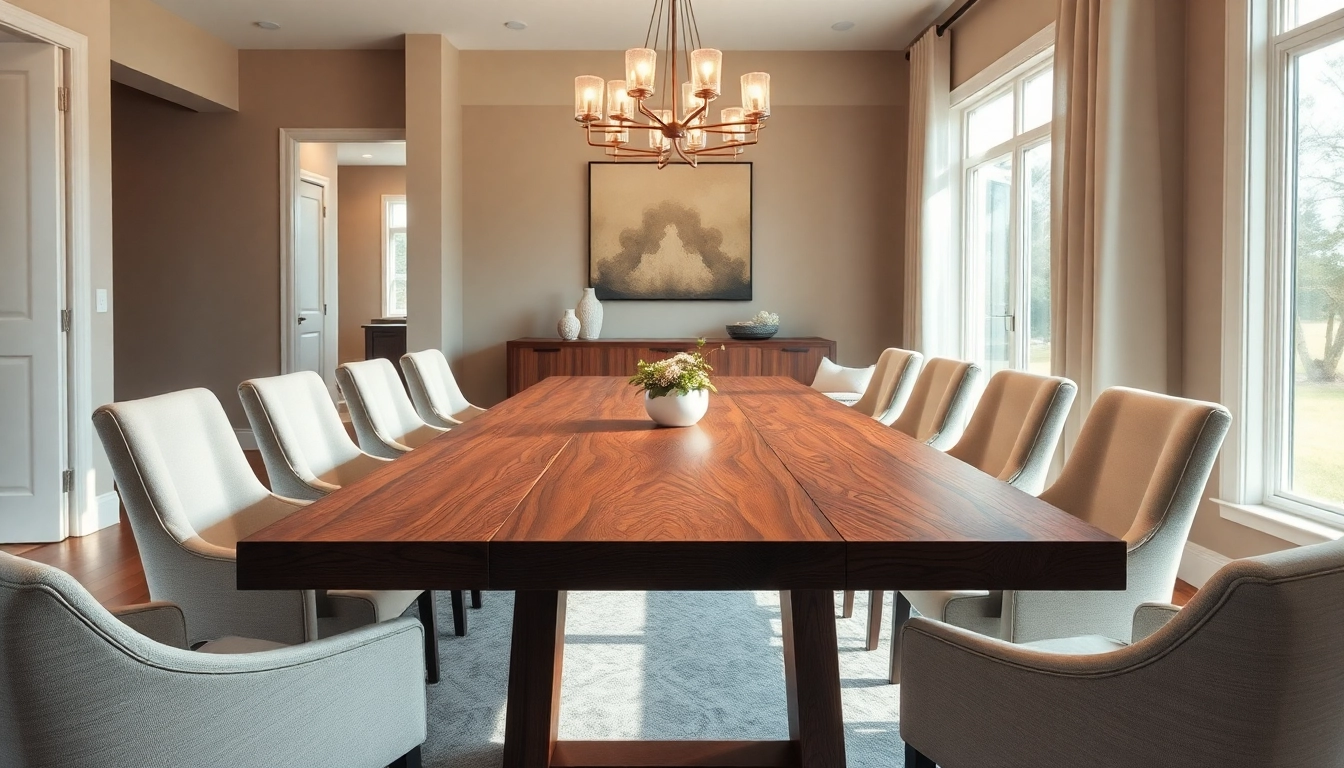
When it comes to home decor, few pieces hold as much significance as the dining table. This central hub frequently serves as the gathering place for friends and family, hosting everything from casual breakfasts to festive dinners. A Custom dining table means maximizing both functionality and style tailored precisely to your needs and tastes. The decision to invest in a custom piece opens up a world of possibilities, allowing homeowners to cultivate an environment that reflects their unique style while meeting the practical requirements of their daily lives.
Why Choose a Custom Dining Table?
Custom dining tables offer a tailored solution to dining needs, eliminating the constraints of mass-produced furniture. Each custom table can be designed in accordance with the specific dimensions, materials, and aesthetics that harmonize with your space. This distinctive capability ensures that no matter the size of your dining area, there is a table that can optimize it without compromising on style.
Key Benefits of Customization
- Personalization: You have the ability to choose everything from the type of wood to the finish, ensuring it matches your style.
- Space Efficiency: A custom dining table can fit precisely in your available space, optimizing both room flow and usability.
- Quality Craftsmanship: Many custom tables are handcrafted, often using superior materials, resulting in a durable and high-quality product.
- Unique Characteristics: The table can incorporate unique features such as storage elements or customized leg designs, making it truly one-of-a-kind.
- Sustainable Options: Choosing sustainably sourced materials is often easier with custom options, allowing you to contribute positively to the environment.
Popular Styles and Trends
From rustic farmhouse designs to sleek modern aesthetics, custom dining tables can adapt to any style. Current trends leans towards minimalism, where clean lines and natural finishes dominate. Eclectic designs that combine diverse materials, such as wood, metal, and glass, have also become appealing.
Materials Used in Custom Dining Tables
Types of Wood for Custom Dining Tables
Wood is the most common material for dining tables, providing warmth and sturdiness. Popular types include:
- Oak: Known for its durability and attractive grain patterns, oak is a classic choice.
- Walnut: This wood is prized for its rich color and fine grain, adding elegance to any dining area.
- Maple: With its light color and smooth surface, maple provides a more contemporary feel.
- Pine: A softer wood, pine can offer a rustic and charming aesthetic but requires careful maintenance due to its susceptibility to scratching.
Alternative Materials: Metal and Glass
While wood is a traditional favorite, many designers have begun incorporating metals and glass, diversifying the options available. Metal frames can provide modern, industrial finishes, while glass tops can create an airy and spacious look, especially in smaller dining areas.
Finish Options and Their Impact
The right finish can enhance the natural beauty of the wood or material, providing a protective layer against wear and tear. Options include:
- Stains: Different stains can drastically change the appearance of the wood, highlighting its grain or adding character.
- Paint: A painted finish can infuse color and vibrancy, reflecting personal style.
- Natural Finish: Maintaining the natural hue of wood celebrates its organic beauty, creating a rustic or traditional feel.
Measuring and Planning Your Custom Dining Table
Choosing the Right Size
The first step in planning your custom dining table involves precise measurements. Consider your dining room's dimensions, the number of people you intend to seat, and accessibility. Ideally, allow a minimum of 36 inches between the table edge and walls or furniture.
Shapes and Designs Based on Space
The shape of your table can influence the dining experience. Rectangular tables are excellent for larger spaces, allowing ample seating. Round tables foster conversation but may take up more space. Oval options blend the best of both, offering a softer aesthetic while enhancing flow in tight spaces.
Creating a Cohesive Look with Your Decor
Ensure your custom dining table complements your home decor. This includes matching colors, styles, and finishes with existing furniture pieces. Consider how the table's design will interact with surrounding elements like light fixtures and wall imagery.
Designing Custom Features for Your Dining Table
Incorporating Storage Solutions
As open-concept living continues to rise, integrating storage within your table design can optimize space. Consider options like built-in drawers or shelves, allowing you to store table linens or dining utensils directly within the table.
Selecting Unique Leg Designs
The legs of a dining table significantly affect its visual appeal and stability. Explore unique leg shapes, from traditional turned legs to modern metal bases. The choice should reflect your style while providing adequate support.
Adding Personal Touches: Engravings and Colors
Engraving initials or unique designs onto the table surface can create a memorable centerpiece. Additionally, the option of custom coloring can provide a unique and personal touch that stands out in any dining setting.
The Process of Ordering and Personalizing Your Custom Dining Table
Steps to Place an Order
Ordering your custom dining table is a straightforward process. Begin by connecting with a craftsman or company specializing in custom furniture. Discuss your ideas, preferences, and budget. It may help to have inspiration photos or sketches to illustrate your vision.
What to Expect During Crafting
The crafting process may take several weeks, as the artisan applies meticulous care to bring your design to life. Communicate regularly and ask about progress to ensure the final product meets your expectations.
Aftercare and Maintenance Tips
To prolong the life of your custom dining table, adhere to basic maintenance guidelines. Clean surfaces with a soft, damp cloth, avoid harsh chemicals, and keep the table out of direct sunlight to prevent fading or warping.