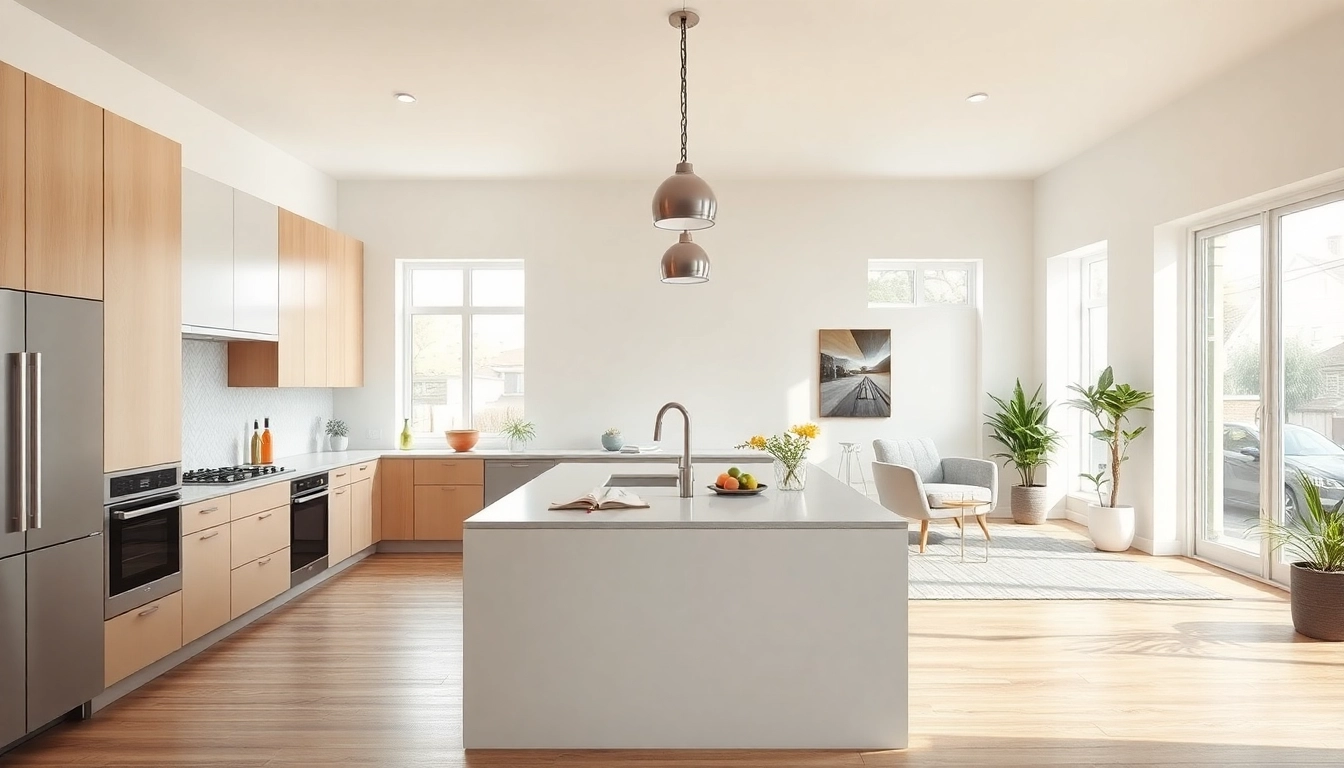
Understanding the Basics of Home Renovation
Embarking on a Home renovation project can be as thrilling as it is daunting. Whether you're looking to modernize a vintage kitchen, create more functional living spaces, or simply improve the aesthetic of your home, understanding the fundamentals of home renovation is essential. This section will delve into what home renovation entails, why homeowners pursue such projects, and how to effectively plan your renovation journey.
What is Home Renovation?
Home renovation refers to the process of improving an existing structure. This can encompass a variety of enhancements, including cosmetic updates like painting and new flooring, as well as structural changes such as adding a room or altering the layout of a space. Essentially, home renovation transforms a house into a more functional, comfortable, and aesthetically pleasing living space.
Common Reasons for Home Renovation
- Updating Aesthetics: Over time, styles change, and elements like kitchen cabinets, bathroom tiles, or flooring can look dated. Homeowners often renovate to refresh the design and make it align with contemporary tastes.
- Increasing Functionality: Families grow and lifestyles change; renovations can help create spaces that accommodate new needs. This could involve opening up a floor plan, adding storage solutions, or converting rooms for different purposes.
- Enhancing Home Value: Many homeowners undertake renovations to increase the resale value of their property. Projects that enhance curb appeal or upgrade key areas such as kitchens and bathrooms can offer substantial returns on investment.
- Energy Efficiency: Renovations are an opportunity to improve your home’s energy performance. Updating windows, appliances, and insulation not only helps the environment but also decreases energy bills.
- Addressing Issues: Structural problems, such as leaking roofs or outdated plumbing, often necessitate renovation. These updates not only improve safety but also prevent further damage.
Planning Your Home Renovation Project
Successful renovations start with careful planning. Here’s a structured approach to help you begin:
- Define Your Goals: Consider what you aim to achieve with your renovation. Is it aesthetic, functional, or financial?
- Set a Budget: Determine how much you are willing to spend, including a contingency fund for unexpected expenses.
- Create a Timeline: Establish a realistic timeline for the renovation process, factoring in permits, materials, and labor.
- Research: Investigate design styles and materials that align with your vision. Look into potential contractors if professional help is necessary.
- Obtain Necessary Permits: Depending on the scope of your renovation, securing permits can ensure compliance with local regulations.
Choosing the Right Style for Your Home Renovation
Design style is a subjective yet crucial element of home renovation. It can dramatically influence the character and functionality of your revamped space. This section explores popular design styles, how to incorporate personal tastes, and current trends that may enhance your renovation project.
Popular Design Styles in Home Renovation
Here are some of the most sought-after design styles in contemporary home renovations:
- Modern: This style embraces simplicity and clean lines, often using minimal decor, neutral color palettes, and an open floor plan.
- Traditional: Centered around classic styles, traditional design incorporates rich wood tones, ornate detailing, and more formal layouts.
- Farmhouse: Emphasizing a cozy, rustic appeal, farmhouse design often includes shiplap walls, vintage furnishings, and warm color selections.
- Industrial: This style merges raw materials and minimalist designs, featuring exposed brick, metal, and a utilitarian approach.
- Scandinavian: Known for its simplicity, functionality, and connection to nature, Scandinavian design utilizes light colors and natural materials.
Incorporating Personal Style into Home Renovation
While understanding popular styles is beneficial, infusing your personal taste into your home renovation is essential for making the space truly yours. Consider the following approaches:
- Artwork and Decor: Integrate personal artifacts, paintings, and decor pieces that resonate with your experiences and preferences.
- Custom Solutions: Opt for custom cabinetry or fittings to tailor spaces that reflect your lifestyle.
- Color Palettes: Choose colors that elicit feelings of comfort or energy according to your vision of home.
- Personalized Theme: Develop a cohesive theme that integrates elements of your travels, hobbies, or interests throughout the renovation.
Trends Influencing Home Renovation Choices
Staying informed about trends can help you make educated decisions about your renovation. Some current trends include:
- Smart Home Features: More homeowners are implementing technologies that enhance convenience and energy efficiency.
- Sustainable Materials: Eco-friendly materials and construction methods are becoming increasingly popular among environmentally-conscious buyers.
- Open Concept Layouts: Many people prefer fewer walls separating living spaces, promoting light and a sense of community within the home.
- Outdoor Living Spaces: As people look to expand their living quarters, outdoor areas for relaxation and entertainment are gaining importance.
Budgeting for Your Home Renovation
Budgeting is a critical aspect that can make or break your home renovation project. Without a clear financial plan, costs can quickly spiral out of control. This section will delve into estimating costs, finding financial assistance, and providing tips for cost-effective renovations.
Estimating Costs for Home Renovation Projects
Understanding the potential costs associated with your renovation project is vital. Here’s how to estimate efficiently:
- Research Average Costs: Review resources that provide average costs for specific projects in your area. This will give you a foundational budget.
- Detail Expense Categories: Break down your budget into categories such as labor, materials, permits, and contingency funds.
- Factor in Unexpected Costs: It's prudent to set aside at least 10-20% of your budget for unforeseen expenses.
- Consult Professionals: If hiring a contractor, ask for detailed estimates. Compare bids to ensure a fair approach.
Finding Financial Assistance for Home Renovation
Home renovations can be financially burdensome. Here are options for sourcing funds:
- Home Equity Loans: Utilizing home equity can provide lower interest rates compared to traditional loans.
- Loans for Home Improvements: Institutions often offer special financing for homeowners looking to enhance their properties.
- Government Grants and Programs: Various programs exist to assist homeowners, particularly for energy efficiency upgrades.
- Crowdfunding: Some individuals opt for crowdfunding platforms to gather financial support from family and friends.
Tips for Cost-Effective Home Renovation
There are numerous ways to optimize your budget without sacrificing quality. Consider these strategies:
- Prioritize Projects: Focus on high-impact areas such as kitchens and bathrooms which tend to offer better returns.
- Utilize Reclaimed Materials: Incorporating salvaged or recycled materials can reduce costs while adding character to your home.
- Do It Yourself: Undertaking smaller tasks yourself can significantly lower labor costs.
- Plan Over Time: If your budget is tight, consider phasing your renovations to spread costs over time.
DIY vs. Professional Help in Home Renovation
Deciding between a DIY approach and hiring professionals is one of the most significant decisions homeowners have to make during a renovation. This section discusses the advantages of both methods and provides guidance on striking the right balance.
Advantages of DIY Home Renovation
DIY renovations can be an extremely rewarding choice for many homeowners. Here are some of the primary benefits:
- Cost Savings: Taking on tasks yourself can save thousands in labor costs.
- Personal Satisfaction: Successfully completing a project can provide a great sense of achievement and connection to your home.
- Flexibility: Working at your own pace allows you to adjust the timeline based on personal circumstances.
- Learning Experience: DIY allows for skill-building, often providing valuable knowledge for future projects.
When to Hire a Professional for Home Renovation
While DIY can be effective, there are scenarios where hiring professionals is wise:
- Complex Projects: Structural changes, plumbing, and electrical work often require specialized knowledge.
- Time Constraints: If you're on a tight schedule, professionals can save significant time and stress.
- Quality Assurance: Experienced contractors have the training and tools to avoid costly mistakes.
- Licensing and Permits: Certain renovations require licensed professionals to comply with local regulations.
Balancing DIY and Professional Work in Home Renovation
Finding the right balance between DIY and hiring professionals is essential for a successful renovation. Consider the following strategies:
- Segment Projects: Identify which parts of a project you can comfortably tackle yourself, and which require expert assistance.
- Collaborate: Some homeowners partner with professionals for design while managing the physical work themselves.
- Consultation: Even if doing most things yourself, consulting with professionals for advice can be immensely beneficial.
Measuring Success: Evaluating Your Home Renovation
Once the dust has settled, evaluating the success of your home renovation is crucial. This final section addresses key performance indicators, post-renovation evaluation techniques, and the long-term benefits of effective renovation.
Key Performance Indicators for Home Renovation
To understand if your renovation was successful, consider the following performance indicators:
- Increased Home Value: Determine if your home's market value has increased post-renovation via appraisals or comparatives.
- Satisfaction Levels: Reflect on your personal satisfaction with the completed project and how well it meets your needs.
- Energy Efficiency Improvements: Monitor changes in your energy bills to assess the impact of energy-efficient upgrades.
- Space Utilization: Evaluate how effective the renovations have been in terms of functionality and flow of the space.
Post-Renovation Evaluation Techniques
After completing your renovation, it’s important to conduct a thorough evaluation:
- Conduct Walkthroughs: Take time to walk through your newly renovated space, noting any issues or areas for improvement.
- Gather Feedback: Ask friends and family for their impressions; they may provide insights you hadn’t considered.
- Adjust and Adapt: Be prepared to make minor adjustments or tweaks to make the space work even better for your needs.
Long-term Benefits of Effective Home Renovation
The benefits of a successful renovation extend well beyond immediate aesthetic improvements. Effective renovations can lead to:
- Enhanced Quality of Life: A renovated space tailored to your needs contributes significantly to comfort and happiness in your home.
- Increased Market Appeal: Should you decide to sell, modern, well-executed renovations can attract potential buyers quickly.
- Lower Maintenance Costs: Renovations often include updating systems and materials, leading to fewer repairs over time.
- Community Value Enhancement: Improved homes contribute positively to overall neighborhood aesthetics and property values.