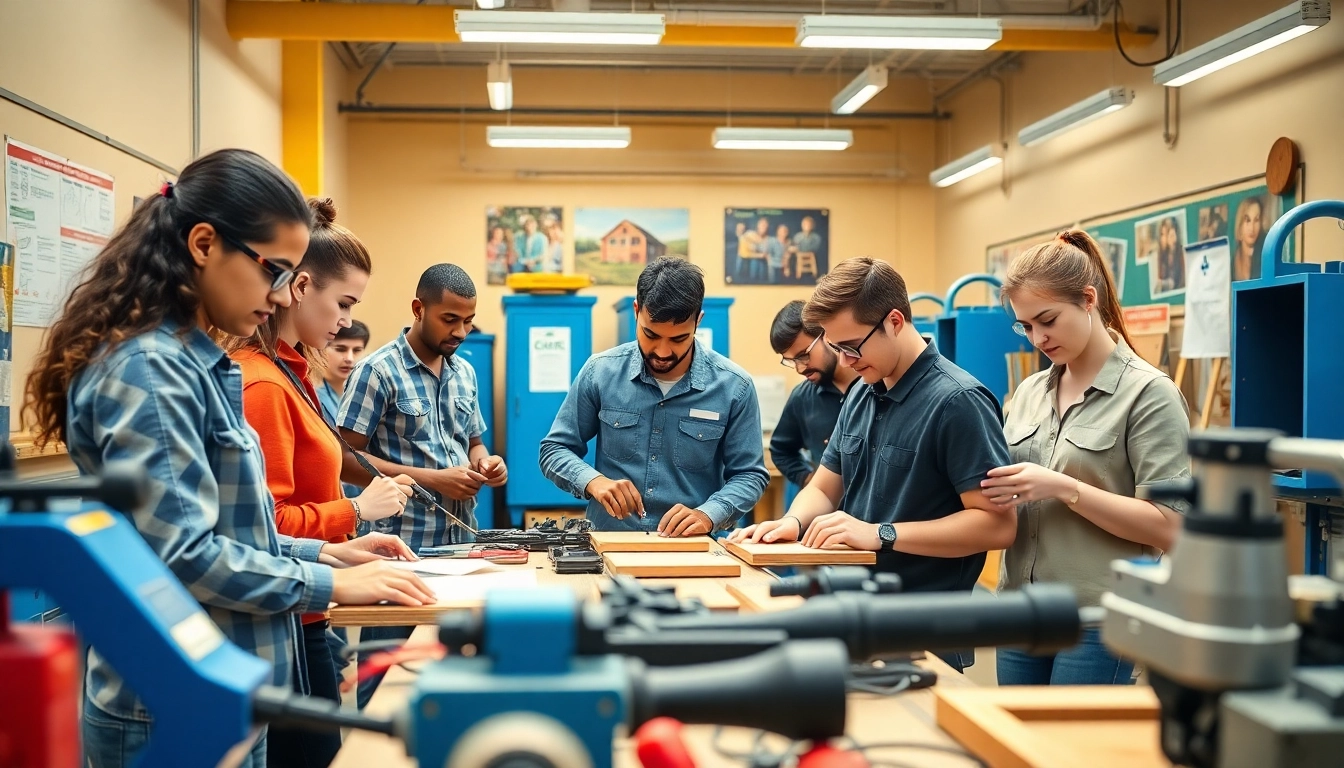
Understanding Trade Schools in Hawaii
Trade schools have emerged as a vital educational alternative for many students dreaming of a fulfilling career without the burdensome financial strain often associated with traditional college degrees. In Hawaii, where the unique blend of local culture and rich job opportunities exists, trade schools in Hawaii are tailored to cater to diverse industries, equipping students with practical skills that are in high demand.
What Are Trade Schools?
Trade schools, also known as vocational schools or technical institutes, focus on providing students with the specialized training needed to enter specific careers. Unlike traditional colleges that offer a wide array of liberal arts and general education courses, trade schools concentrate on practical skills and hands-on training that can be applied directly in the workforce. Programs are typically shorter, allowing students to enter the job market much more quickly than with a four-year degree.
Benefits of Attending Trade Schools
The advantages of attending trade schools are numerous and particularly impactful in a unique locale like Hawaii:
- Reduced Costs: Tuition rates for trade schools are generally lower than those for four-year universities, making education more accessible.
- Shorter Duration: Many programs can be completed in as little as six months to two years, allowing graduates to start earning an income sooner.
- Hands-on Training: Trade schools prioritize practical skills and experience, preparing students for real-world job scenarios.
- Job Placement Assistance: Many trade schools offer job placement services to help graduates secure employment in their chosen fields.
Types of Programs Offered
Trade schools in Hawaii provide a variety of programs designed to meet the needs of the local economy. Some of the most common fields of study include:
- Construction trades (carpentry, plumbing, electrical work)
- Healthcare (medical assisting, nursing, dental hygiene)
- Information Technology (cybersecurity, networking, programming)
- Culinary arts (chef training, baking and pastry arts)
- Aviation maintenance and operations
Popular Programs at Trade Schools in Hawaii
Construction and Maintenance Courses
With Hawaii's booming construction industry, trade schools offer specialized programs in various construction trades. Students can expect to learn skills ranging from basic carpentry to advanced electrical installations. These programs not only cover theoretical knowledge but also immerse students in hands-on projects that replicate real-world scenarios. Graduates often find job placements with reputable construction firms that value skilled labor.
Healthcare Training Options
The healthcare sector is another fast-growing area provided by trade schools. Programs in medical assisting, nursing, and other specialized healthcare roles meet the high demand for qualified professionals. Students benefit from engaging learning environments, integrating classroom instruction with clinical practice. These experiences better prepare graduates for state certification and entry into the healthcare workforce.
Technology and IT Specializations
As technology continues to evolve rapidly, the need for IT specialists is ever-increasing. Trade schools are adapting by offering a curriculum focused on information technology, cybersecurity, and computer programming. These programs often include partnerships with local businesses and internships, providing students with crucial networking opportunities and industry insights that greatly enhance job prospects upon graduation.
The Enrollment Process for Trade Schools in Hawaii
Steps to Apply Successfully
Enrolling in a trade school is an accessible process, typically requiring the following steps:
- Research Programs: Look for trade schools that offer programs matching your interests and career goals.
- Gather Required Documents: Most schools require academic records, identification, and sometimes letters of recommendation.
- Complete an Application: Fill out the school’s application form, ensuring all information is accurate and up-to-date.
- Attend an Interview: Some schools may require an interview to assess your motivation and suitability for the program.
- Wait for Acceptance: Once accepted, review any next steps such as orientation or registration.
Financial Aid and Scholarships Available
Many trade schools provide financial aid options to assist students in managing tuition costs. Common types of financial aid include:
- Federal Financial Aid: FAFSA applications determine eligibility for federal grants and loans.
- State Grants: Hawaii may offer state-funded financial assistance programs for eligible residents.
- School-Specific Scholarships: Various trade schools offer scholarships based on need, merit, or specific criteria.
Preparing for Your Trade School Experience
Preparation for trade school can significantly impact your experience and success. Students should consider the following:
- Conduct a Self-Assessment: Be clear about your strengths, weaknesses, and career aspirations to select the most suitable program.
- Acquire Basic Tools or Supplies: Some programs may require students to have specific tools or equipment, so check with your chosen school.
- Connect with Alumni: Talking to alumni can provide insights into the program, job prospects, and industry expectations.
Success Stories from Trade Schools in Hawaii
Career Progression of Graduates
Graduates of trade schools in Hawaii have shared numerous success stories, often highlighting rapid career progression and job satisfaction. Many students transition from trade education to fulfilling roles in high-demand sectors, fulfilling both personal and familial aspirations.
Impact of Trade Education on Local Communities
Trade schools in Hawaii not only change individual lives but also contribute to the local economy by providing skilled labor that addresses shortages in various industries. Successful alumni often return to their communities, enriching local economies and mentoring new generations of students.
Testimonials from Alumni
Alumni testimonials are powerful narratives that establish the value of trade education. Feedback often encompasses themes of confidence gained, skills acquired, and the ability to forge a career path that aligns with personal ambitions. Many graduates would attest to the meaningful relationships formed during their education and the invaluable support from instructors and mentors.
Future Trends in Trade Education in Hawaii
Emerging Fields and Skills in Demand
Trade schools are adapting their programs to meet the evolving demands of the workforce. Emerging fields, especially in sustainable energy and advanced technology, are increasingly becoming focal points for new curricula. Skills in renewable energy technologies, such as solar panel installation and energy efficiency assessment, are particularly in high demand given Hawaii's commitment to sustainability.
Integration of Technology in Learning
With the advent of digital learning tools and resources, trade schools are incorporating technology into their curricula to enhance the educational experience. This includes using simulation software, virtual labs, and online resources, which make learning more interactive and engaging. Such technologies also prepare students for a workforce that increasingly relies on advanced tech applications.
Adapting to Changing Job Markets
The job market is forever evolving, and so too must trade schools. By fostering partnerships with local businesses and industries, trade schools can remain informed about skills demanded by employers. Frequent curriculum updates and community engagement initiatives help ensure that students receive relevant training that aligns with current job market needs.