
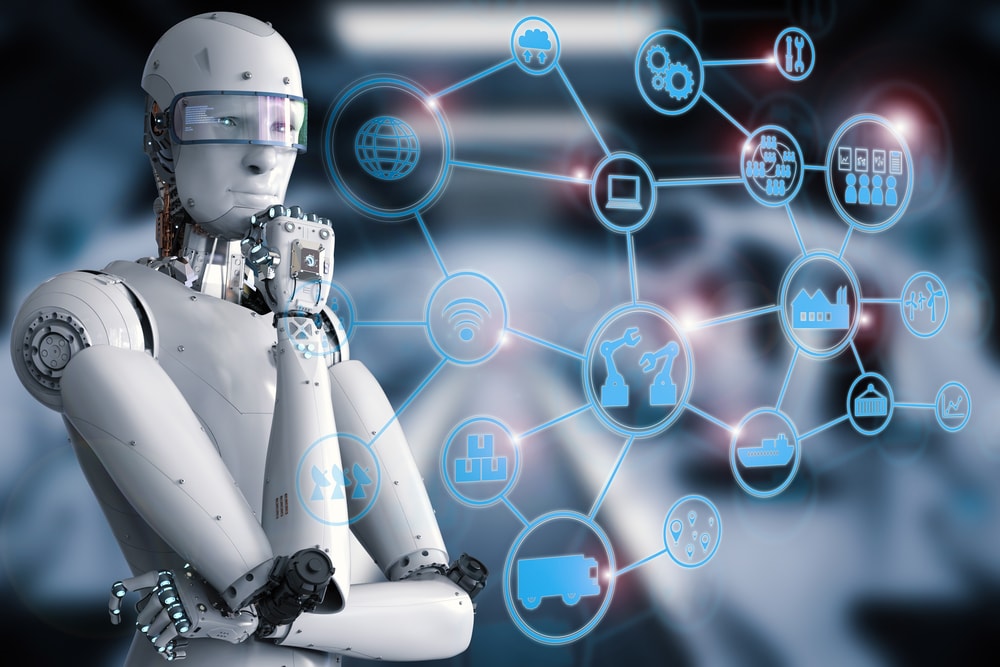
Understanding the Human Interface with AI
In today’s rapidly evolving business landscape, the integration of artificial intelligence is no longer optional but essential. However, technology alone cannot achieve optimal results. The Human Interface with AI represents a critical bridge, combining human judgment, experience, and creativity with the computational power and efficiency of AI systems. This interface ensures that decisions are not just data-driven but also contextually informed and strategically sound.
The Role of Human Expertise in AI Applications
AI excels at processing large datasets, recognizing patterns, and generating predictive insights. Yet, it often lacks the nuance that human experience brings. The Human Interface with AI allows organizations to harness the analytical power of AI while applying human discernment to interpret results, make informed decisions, and provide innovative solutions. By balancing technology and expertise, companies can reduce errors, enhance productivity, and improve strategic outcomes.
Enhancing Decision-Making Through AI-Human Collaboration
A key advantage of the Human Interface with AI is improved decision-making. AI algorithms can quickly analyze complex scenarios and present recommendations. Humans can then evaluate these suggestions, considering ethical implications, long-term impacts, and organizational context. This collaborative approach ensures decisions are both precise and practical, blending the speed of AI with the judgment of human professionals.
Streamlining Processes with the Human Interface with AI
Organizations often face operational inefficiencies that AI alone cannot fully resolve. The Human Interface with AI streamlines processes by automating repetitive tasks while retaining human oversight where creativity, empathy, or critical thinking is required. For example, in proposal development, AI can draft initial content, analyze compliance requirements, and identify gaps, while humans refine the messaging, ensuring it resonates with clients and aligns with strategic objectives.
Driving Innovation Through Human-AI Synergy
Innovation is rarely a purely technical exercise; it requires imagination, risk assessment, and adaptability. The Human Interface with AI fosters innovation by combining AI-generated insights with human intuition. Humans can explore creative solutions, test hypotheses, and iterate on AI suggestions, ultimately accelerating innovation cycles and producing more effective outcomes across projects and industries.
Improving Accuracy and Reducing Risks
Errors in data analysis, forecasting, or operational execution can be costly. The Human Interface with AI mitigates risks by introducing a layer of human validation to AI outputs. Professionals can identify anomalies, question AI-generated recommendations, and ensure that actions taken align with organizational standards and objectives. This combination of human scrutiny and AI precision enhances overall accuracy and reliability.
Personalizing Customer and Client Experiences
Customer expectations are increasingly personalized, and AI plays a significant role in tailoring solutions. However, the Human Interface with AI ensures that personalization is meaningful and empathetic. While AI can segment audiences and predict preferences, humans can interpret these insights to craft communications, strategies, and services that resonate on a personal level, strengthening customer relationships and loyalty.
Adapting to Evolving Challenges
Business environments are dynamic, requiring continuous adaptation. The Human Interface with AI equips organizations to respond effectively to change. Humans can adjust AI models, interpret evolving data trends, and implement strategies that maintain relevance in shifting markets. This adaptability ensures that AI remains a powerful tool without losing sight of the human context essential for successful outcomes.
Training and Upskilling for Effective Human-AI Interaction
To maximize the benefits of the Human Interface with AI, organizations must invest in training and upskilling their workforce. Employees need to understand AI capabilities, limitations, and ethical considerations, as well as how to interpret outputs and make informed decisions. By fostering a culture of continuous learning, companies ensure that their human-AI teams remain proficient, confident, and capable of achieving superior results.
Future Implications of the Human Interface with AI
As AI technology continues to advance, the importance of the Human Interface with AI will only grow. Organizations that prioritize this balance between human expertise and machine intelligence will lead in innovation, operational efficiency, and strategic impact. The human touch ensures that AI applications remain ethical, relevant, and aligned with organizational goals, shaping the future of work and business in profound ways.
Conclusion: Embracing the Human Interface with AI Advantage
The Human Interface with AI is not a fleeting trend but a transformative approach to integrating technology and expertise. By combining the computational power of AI with human insight, organizations can make better decisions, innovate faster, reduce risks, and deliver more personalized solutions. Companies that embrace this synergy will gain a competitive advantage, achieving results that neither humans nor AI could accomplish alone. Balancing technology with human judgment ensures a future where efficiency, accuracy, and innovation coexist seamlessly.