
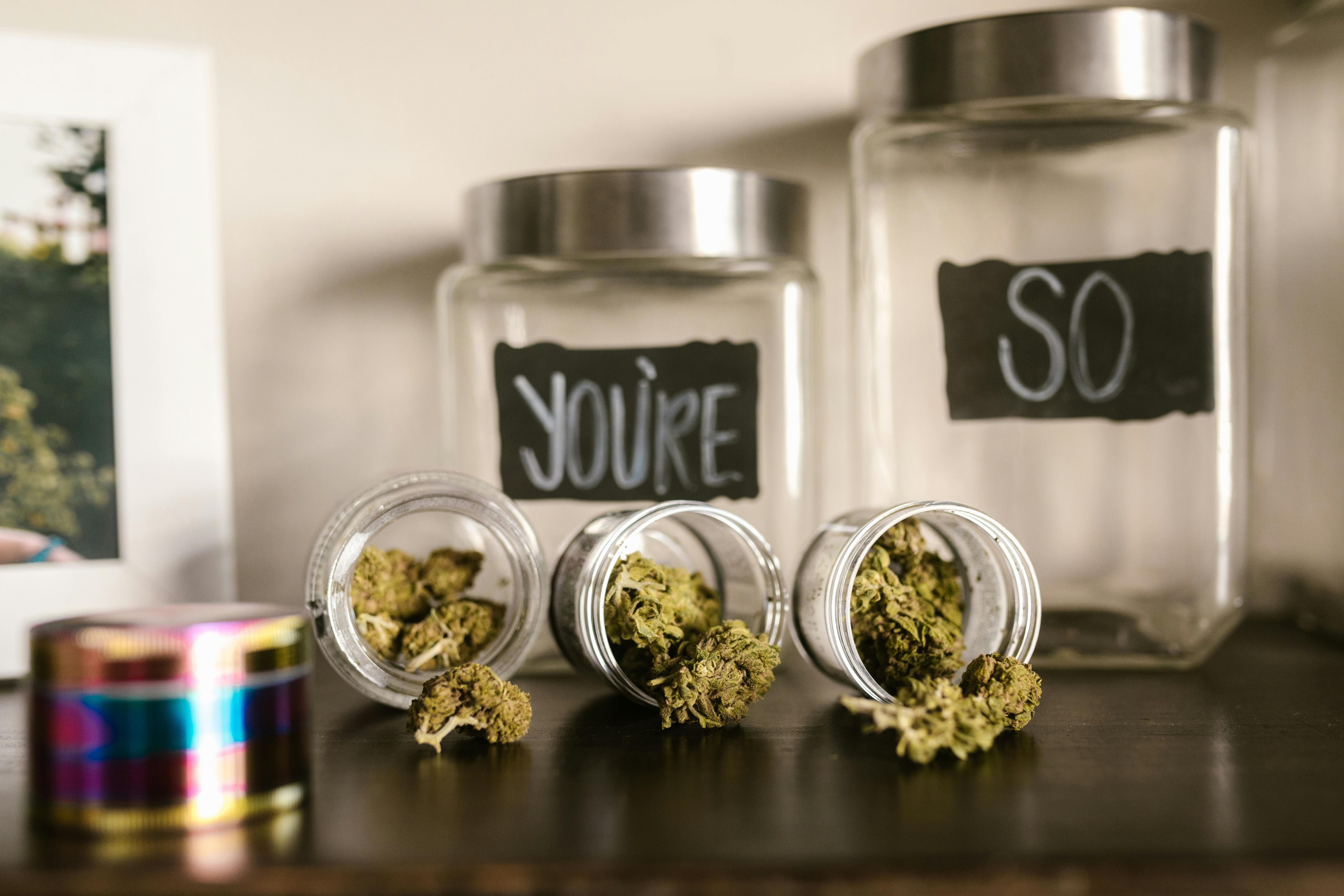
Introduction to THCA for ChefsTHCA is a non-psychoactive cannabinoid found in raw cannabis that is gaining popularity in culinary circles. Unlike THC, THCA does not produce intoxicating effects, making it ideal for chefs who want to explore cannabis flavors without affecting diners’ cognitive clarity. Understanding THCA allows culinary professionals to innovate safely while maintaining the integrity of cannabis compounds in their dishes.
THCA vs Other Cannabinoids in the KitchenIn culinary applications, THCA differs from THC and CBD in key ways. Its chemical structure, including a carboxyl group, keeps it non-intoxicating and heat-sensitive. This makes THCA perfect for raw and cold preparations, while THC requires decarboxylation to produce psychoactive effects. By focusing on THCA, chefs can offer unique cannabis experiences in smoothies, cold-pressed oils, dressings, and herbal infusions without compromising flavor or safety.
Incorporating THCA into RecipesChefs can use THCA creatively in a variety of dishes. Cold infusions, raw sauces, and unheated herbal blends are excellent methods to preserve THCA’s properties. Understanding how THCA reacts to heat is crucial, as cooking at high temperatures converts it into THC. By maintaining careful temperature control, chefs can highlight THCA’s natural flavors, aroma, and potential wellness benefits in innovative culinary creations.
The Science Behind THCA in CookingFrom a scientific perspective, THCA is a stable cannabinoid in raw preparations. Its non-psychoactive nature allows for precise experimentation in recipes without affecting diners’ mental clarity. Chefs who understand THCA can also collaborate with food scientists to explore its interactions with other ingredients, such as oils, herbs, and proteins, optimizing flavor, texture, and nutritional value.
THCA for Wellness-Focused CuisineIncorporating THCA into wellness-focused dishes has become increasingly popular. Smoothies, salad dressings, herbal tonics, and functional beverages infused with THCA provide potential health benefits while remaining non-intoxicating. Chefs can design menus that support holistic nutrition, inflammation management, and antioxidant intake, all while highlighting THCA’s unique properties.
Practical Tips for Handling THCA in the KitchenTo maximize THCA’s culinary potential, avoid high heat, long cooking times, and prolonged light exposure. Cold extraction methods, raw infusions, and careful storage ensure that THCA retains its non-psychoactive and chemical integrity. Accurate measurement and thoughtful application are essential for both flavor and consumer safety.
ConclusionTHCA is a versatile, non-psychoactive cannabinoid that opens up exciting possibilities for chefs and culinary innovators. Its stability in raw preparations, potential wellness benefits, and unique flavor profile make THCA a valuable ingredient in modern cuisine. By understanding and applying THCA thoughtfully, chefs can elevate their dishes, explore creative culinary techniques, and engage consumers in a safe and sophisticated cannabis experience.