Understanding Football Kits: A Comprehensive Guide
Football kits serve as more than just uniforms for players; they embody the spirit and culture of teams worldwide. A well-designed football kit not only enhances team identity but also improves performance on the pitch. In this comprehensive guide, we delve into the world of football kits, exploring their essential characteristics, types, and the significance of quality materials.
What are Football Kits?
Football kits typically consist of a jersey, shorts, and socks, and are designed specifically for players participating in the sport. While the primary purpose of these kits is to clearly distinguish players on the field, they also serve as a fashion statement, embodying team colors, logos, and designs. Today’s kits are engineered to provide optimal performance, utilizing cutting-edge materials and technologies that enhance breathability, comfort, and durability.
Types of Football Kits
There are several types of football kits available, catering to different segments and uses:
- Home Kits: These are the primary kits worn by a team during home matches, often featuring the team’s traditional colors.
- Away Kits: Designed to avoid color clashes with the opposing team, these kits often sport a different color scheme.
- Third Kits: Some teams also have a third kit, which serves as an alternative option when both home and away kits are unsuitable.
- Training Kits: These kits are specifically designed for practice, focusing on comfort and flexibility more than aesthetics.
- Replica Kits: These kits are created for fans and are often styled to resemble the official kits worn by players.
Importance of Quality in Football Kits
The quality of a football kit is paramount for both performance and longevity. High-quality materials ensure that players can perform at their best while providing comfort during intense games. Key attributes of quality football kits include:
- Moisture-Wicking: Advanced fabrics help to wick away sweat, keeping players dry and comfortable.
- Durability: High-quality stitching and materials contribute to the longevity of the kit, resisting wear and tear.
- Breathability: Fabrics designed for airflow help regulate body temperature, allowing players to maintain peak performance.
Choosing the Right Football Kits for Your Team
Factors to Consider
Selecting the right football kits requires careful consideration of various factors. Here are some key aspects to evaluate:
- Team Identity: The kit should reflect the team’s identity and colors, fostering a sense of pride and camaraderie among players.
- Budget: Budget constraints play a significant role in decision-making, especially for amateur teams.
- Usage Frequency: Teams that play frequently may require more durable kits to withstand wear.
Materials and Comfort
When choosing football kits, consider the materials used. Look for performance fabrics such as polyester, which are lightweight and moisture-wicking. Additionally, kits made from blended materials offer enhanced stretch, allowing for better movement. Comfort should be a priority, as players will be in these kits for extended periods; hence, attributes such as the softness of the fabric and the design’s fit are crucial.
Size and Fit for Players
Ensuring that each player has a kit that fits properly is vital for performance and comfort. Kits that are too tight can restrict movement, while overly loose kits may interfere with gameplay. To choose the right sizes:
- Consult a sizing chart provided by the kit manufacturer.
- Consider tailoring options if players fall between standard sizes.
- Encourage players to try on kits before purchase to ensure a proper fit.
Top Trends in Football Kits Design
Current Color Palettes and Patterns
Football kits have evolved significantly in terms of design, with current trends highlighting bold colors and innovative patterns. The focus on eye-catching design elements helps teams stand out, improving their visual identity on the pitch. Key trends include:
- Bold Color Combinations: Teams are increasingly opting for vibrant hues, often mixing classic and contemporary shades.
- Geometric Patterns: Designs featuring geometric shapes add an artistic touch to traditional kits.
- Cultural Influences: Many clubs are incorporating cultural motifs that resonate with their local communities into their designs.
Influence of Technology on Design
Advancements in technology have transformed how football kits are designed and produced. Innovations include:
- 3D Knitting: This technique provides a superior fit and seamless construction, enhancing comfort and performance.
- Smart Fabrics: Some kits are now made from fabrics that can regulate temperature based on the player’s body heat.
- Eco-friendly Materials: Increasingly, manufacturers are turning to sustainable materials and production processes to appeal to environmentally conscious fans.
Retrospection: Classic and Vintage Football Kits
The nostalgia for classic and vintage football kits remains strong among fans. Many clubs periodically release retro editions of their old kits, capitalizing on the charm and history these designs evoke. Vintage kits often feature simple designs and bold colors that harken back to earlier eras in football, providing fans with a way to connect with the history of their beloved teams.
Where to Purchase Quality Football Kits
Online Retailers and Their Offerings
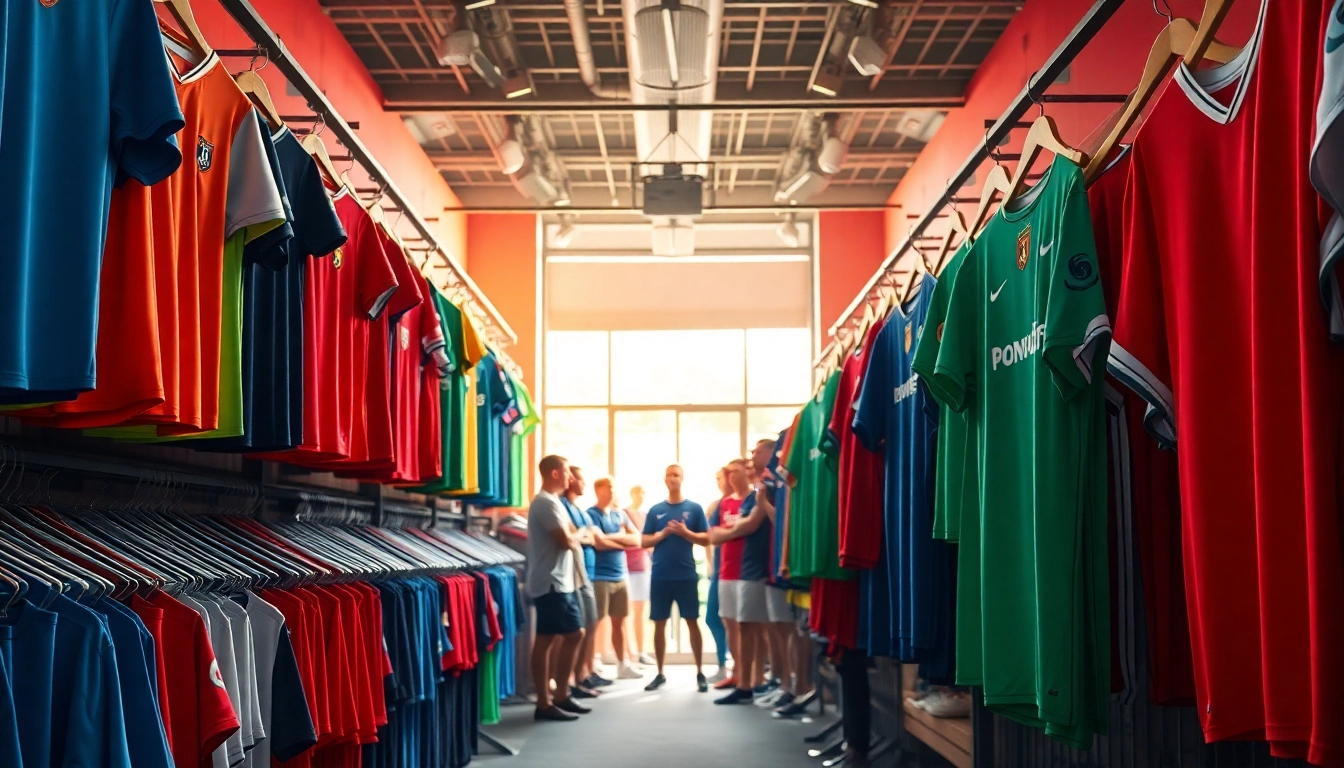
The convenience of online shopping has made it easier than ever to purchase football kits. Various online retailers offer extensive selections of both current and vintage kits. The advantages of online shopping include:
- Wider Range of Options: Online stores often stock many brands and styles, providing easier access to kits from around the world.
- Customer Reviews: Where customers can read reviews to make informed decisions regarding quality and fit.
- Convenience: Home delivery saves time and hassle compared to shopping in physical stores.
Local Shops and Availability
In addition to online options, local sports stores also offer a selection of football kits. Shopping locally allows for immediate purchase and fitting. To find quality local options:
- Research local sporting goods stores and their available stock.
- Inquire about team discounts if purchasing in bulk.
- Check community sports shops, which may carry kits for local teams.
Specialty Stores for Custom Kits
For those looking to create custom football kits, specialty stores provide tailored options. These stores often allow for personalization, enabling teams to add names, numbers, and logos. Follow these steps to explore customization options:
- Contact specialty stores directly to discuss options and pricing.
- Review templates and design tools offered by the store for creating unique kits.
- Be aware of lead times, as custom orders can take longer to process compared to off-the-shelf kits.
Maintaining and Caring for Your Football Kits
Washing and Cleaning Techniques
Proper care ensures the longevity of football kits. Players and teams should adhere to recommended cleaning techniques to avoid damaging fabrics:
- Always wash kits inside out to protect printing and embroidery.
- Use cold water to preserve colors and prevent shrinkage.
- Avoid fabric softeners as they can inhibit the moisture-wicking capabilities of technical fabrics.
Storage Tips for Longevity
How football kits are stored when not in use can impact their lifespan. Here are maintenance tips:
- Store kits in a cool, dry place to prevent mildew.
- Avoid hanging kits by the shoulders, as this can distort the fabric; instead, fold them neatly.
- Keep kits away from direct sunlight to prevent fading.
Repair and Alteration Options
It is common for football kits to sustain damage over time. Here are some repair and alteration options:
- Patching: Small holes or tears can be patched with specialized fabric patches.
- Tailoring: For players who have fit issues, a tailor can help adjust the size of the kit.
- Reinforcement: Adding extra stitching to critical areas can increase durability, especially for frequently used kits.