
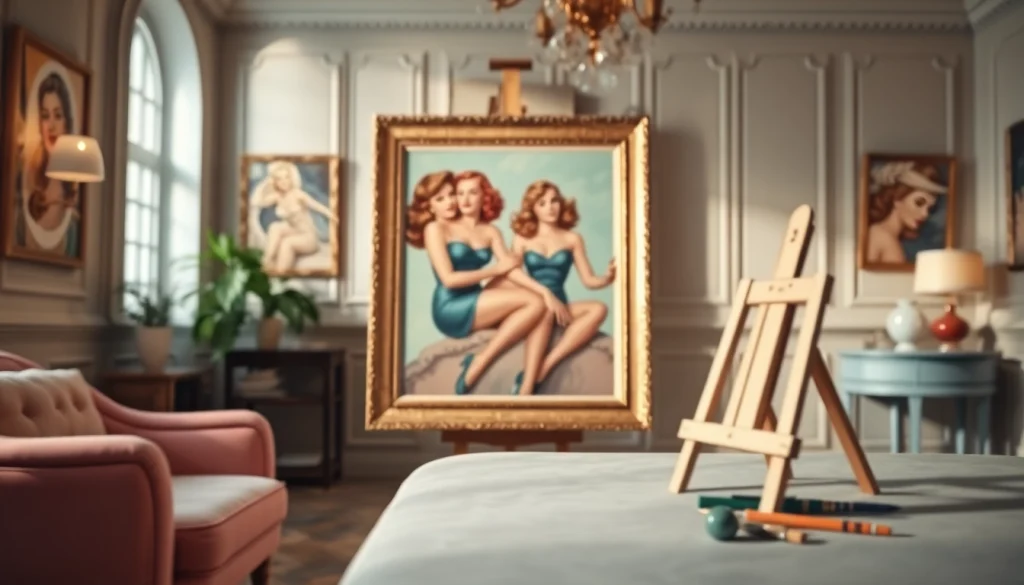
The History of Pin-Up Art and the “Varga Girls”
The Origins of Pin-Up Culture
The phenomenon of pin-up art can be traced back to the early twentieth century, a time when printed images of glamorous women began to capture the imagination of the public. Initially serving as calendar illustrations or magazine covers, these images offered an alluring glimpse into the idealized femininity of the day. The term “pin-up” itself denotes something that is intended to be displayed, often on walls or in lockers, bridging the gap between art and accessible, everyday life.
During this era, the rise of mass media and consumer culture established fertile ground for pin-ups to flourish. Artists began using a range of media—from photography to painting—to create images that embodied an idealized womanhood. It wasn’t long before these depictions found fertile ground amongst soldiers during wartime, where pin-ups served not only as art but also as symbols of comfort and longing.
Alberto Vargas: The Man Behind The Art
Among the most renowned contributors to this genre was Alberto Vargas, a Peruvian-American painter who redefined the boundaries of pin-up art through his unparalleled vision and technique. Capturing attention first through his work in Esquire magazine, Vargas brought forth the famous “Varga Girls,” a series of breathtaking images that presented women as both seductive and graceful.
Vargas’s background as a theatrical artist combined with his skill in airbrush painting allowed him to create ethereal depictions of femininity that leaned towards the fantastical. Employing soft lines and rich color palettes, he transcended typical representations of women by emphasizing their curves while avoiding overt vulgarity. This delicate balance is what made his work so iconic—and so widely embraced.
The Popularity of Varga Girls in the 1940s
During the 1940s, the allure of the Varga Girls reached new heights. As World War II raged on, these images became a form of escapism for soldiers and civilians alike. Esquire magazine, known for its forward-thinking attitude, made a strategic decision to showcase Vargas’s illustrations prominently, which not only drew attention to the magazine but also to Vargas himself.
The artistic expressions found in Vargas’s pin-ups blended beauty with nationality, embodying the hope and dreams of a nation enduring hardships. The images became patriotic symbols, uniting people under the common aesthetic of the “Varga Girl.” Today, they stand as cherished aspects of both art history and American culture, proving that the female form can be both captivating and empowering.
Cultural Impact of the Varga Girls
Influence on Art Forms and Media
The Varga Girls’ impact extends far beyond magazine pages; they have influenced countless art forms including film, photography, and contemporary fashion. Several noted filmmakers and designers have drawn inspiration from Vargas’s artistic style, incorporating its hallmarks into their visual storytelling. The soft focus, romantic poses, and lush color use are elements that can be seen today in both high fashion and commercial photography.
Additionally, the sheer nostalgia of pin-up art has been leveraged in modern media campaigns, reflecting an ongoing fascination with the sensuality and beauty portrayed by artists like Vargas. This has birthed a vintage revival, where contemporary artists both honor and reinterpret the traits that made the original pin-ups resonate so strongly.
The Role in WWII Propaganda
Notably, the role of the Varga Girls during World War II was two-fold. They served as morale boosters to troops deployed overseas, offering comfort via pin-ups that reminded them of home and normalcy. Vargas’s art provided a visual distraction, allowing soldiers to momentarily escape the harsh realities of war.
Additionally, the Varga Girls inadvertently became symbols of patriotism. The depiction of these women served to embody ideals of bravery, desire, and the essence of womanhood that American soldiers fought to protect. In this way, Vargas’s work played a complex role within the broader context of war propaganda, creating a lasting legacy that reflects the duality of beauty and strength.
Legacy and Modern Reverberations
The legacy of the Varga Girls continues to resonate today, influencing generations of artists and admirers. Vargas’s nuanced approach to femininity and beauty serves as a guiding principle for many contemporary artists who seek to explore similar themes.
Art exhibitions and academic studies dedicated to the exploration of Vargas’s work further cement his status in art history. The modern revocation of pin-up aesthetics manifests in everything from fashion collections to fine art, demonstrating that the fundamental attributes of the Varga Girl—glamour, allure, and femininity—remain ever-relevant.
Exploring the Artistic Techniques of Alberto Vargas
Understanding Vargas’s Signature Style
Vargas’s signature style can be identified through a combination of artistic techniques that enhanced the allure of his subjects. His use of airbrush technology allowed him to create smooth, flowing contours that emphasized the female form without harsh lines. This technique helped to produce an ethereal quality that is quintessentially Vargas.
Moreover, Vargas showcased a masterful understanding of lighting and shadow, which would highlight the texture and anatomy of his subjects, bringing them to life on the canvas. Utilizing soft pastels and vibrant hues, he drew the viewer’s attention to precise areas of his paintings, creating a dance between light and color that captivated audiences.
Color Theory and Its Emotional Effects
Color theory plays a crucial role in Vargas’s artwork, influencing how viewers perceive and connect with the “Varga Girls.” Vargas employed a palette that conveyed emotions and states of being, often utilizing warm tones to evoke feelings of passion and warmth while cooler shades provided a sense of tranquility and allure.
This intentional selection of colors not only beautified the subjects but also enhanced narrative elements within the pieces. By strategically choosing colors, Vargas guided viewers to engage more deeply with the visual experience, inviting emotional introspection and nostalgia.
Techniques Used in Varga’s Famous Works
Vargas’s technique of layering contributed significantly to the depth of his illustrations. Starting with a detailed sketch, he built upon this foundation using various airbrush strokes to create depth, highlight muscles, and accentuate curves. This method brought an almost three-dimensional quality to his work, drawing admiration from peers and art critics alike.
Additionally, Vargas’s incorporation of mixed media allowed for unique textures, helping to elevate his work beyond traditional painting. The fusion of watercolor with airbrush innovations further distinguished his style, adding captivating depth and life to the Varga Girls.
Collecting and Appreciating Varga Artworks
Guidelines for Collectors
Collecting artworks by Alberto Vargas is an endeavor that requires knowledge and an appreciation for history. To begin, prospective collectors should research the various forms of Vargas’s work, including pin-ups, calendars, and magazine illustrations. Understanding the context in which these pieces were created will enhance the appreciation and value of the collection.
When collecting, it is crucial to verify authenticity. Look for pieces that are well-documented with provenance, preferably with a certificate of authenticity. Be cautious of reproductions and seek the advice of experts if unsure about authenticity. Building a network within collector communities can also yield valuable insights into legitimate sources.
Preserving Vintage Art
The preservation of vintage art is vital to maintaining its quality and value. For Vargas’s works, collectors should ensure that pieces are stored in climate-controlled environments to prevent deterioration. Using acid-free materials for framing and storage will help protect the delicate surfaces and colors from fading or damage.
Regular upkeep, such as gentle cleaning and avoiding direct sunlight exposure, will prolong the life of these treasured artworks. It is also advisable to engage professional conservators for restoration efforts if damage occurs, as self-repair can often lead to further harm.
Finding Authentic Varga Collectibles
Finding authentic Varga collectibles requires diligence, patience, and a keen eye. Vintage shops, auctions, and reputable online platforms can be good sources, but engage with sellers who specialize in art or collectibles to ensure you are investing wisely.
Networking with fellow collectors and joining forums dedicated to pin-up art can be invaluable in uncovering rare finds and insights into future markets. Remember, engaging in conversations with seasoned collectors can provide additional knowledge about the nuances that define authentic Vargas works.
Modern Interpretations of Varga Girl Aesthetics
Varga Influence in Contemporary Fashion
The elegance and femininity captured by Vargas continue to inspire contemporary fashion designers. Many collections pay homage to the pin-up aesthetic through playful patterns, fitted silhouettes, and a focus on curves. Elements such as polka dots, high-waisted shorts, and retro accessories echo the vibe of the Varga Girls, intertwining classic styles with modern trends.
Fashion weeks around the globe have recognized the retro aesthetic as a recurring trend, demonstrating the lasting legacy of Vargas’s influence. The ability of his art to transcend generations signifies not only its beauty but also its enduring relevance in fashion.
Artistic Homages and New Works
Artists today continue to pay homage to Vargas through original works that draw inspiration from his iconic style. These reinterpretations take various forms, from photography to digital art, each capturing the spirit of the Varga Girls while adding contemporary flair. This fusion of old and new results in a dialogue about the evolution of femininity in art.
Exhibitions featuring modern takes on Vargas’s techniques offer a platform for dialogue about gender, representation, and the cultural weight of beauty standards. They allow for reflection on how pin-up art has adapted to societal changes while maintaining its core aesthetic of glamour.
Celebrating Varga Inspired Events and Exhibitions
Celebrations of Varga’s legacy occur through curated events and exhibitions that seek to honor classic pin-up culture. These exhibitions often showcase not only Vargas’s work but also pieces from artists inspired by his aesthetics, creating a collective memory of art history that celebrates femininity and beauty.
Events range from art fairs to themed gatherings, where fans of pin-up culture can come together to appreciate and discuss the artistry involved. Such platforms serve to reinvigorate interest in Vargas’s work while linking it to current cultural conversations about identity, representation, and empowerment.
In conclusion, the world of pin-up art, particularly the realm inhabited by the beloved “Varga Girls,” is rich with cultural history and artistic significance. As we continue to explore the legacy of Alberto Vargas, his influence remains evident not only in the halls of art galleries but also in our everyday aesthetics and collective cultural memory. For those keen to delve deeper into this captivating subject and appreciate the artistry of Vargas, resources can be found at https://www.esquirevargas.com.