
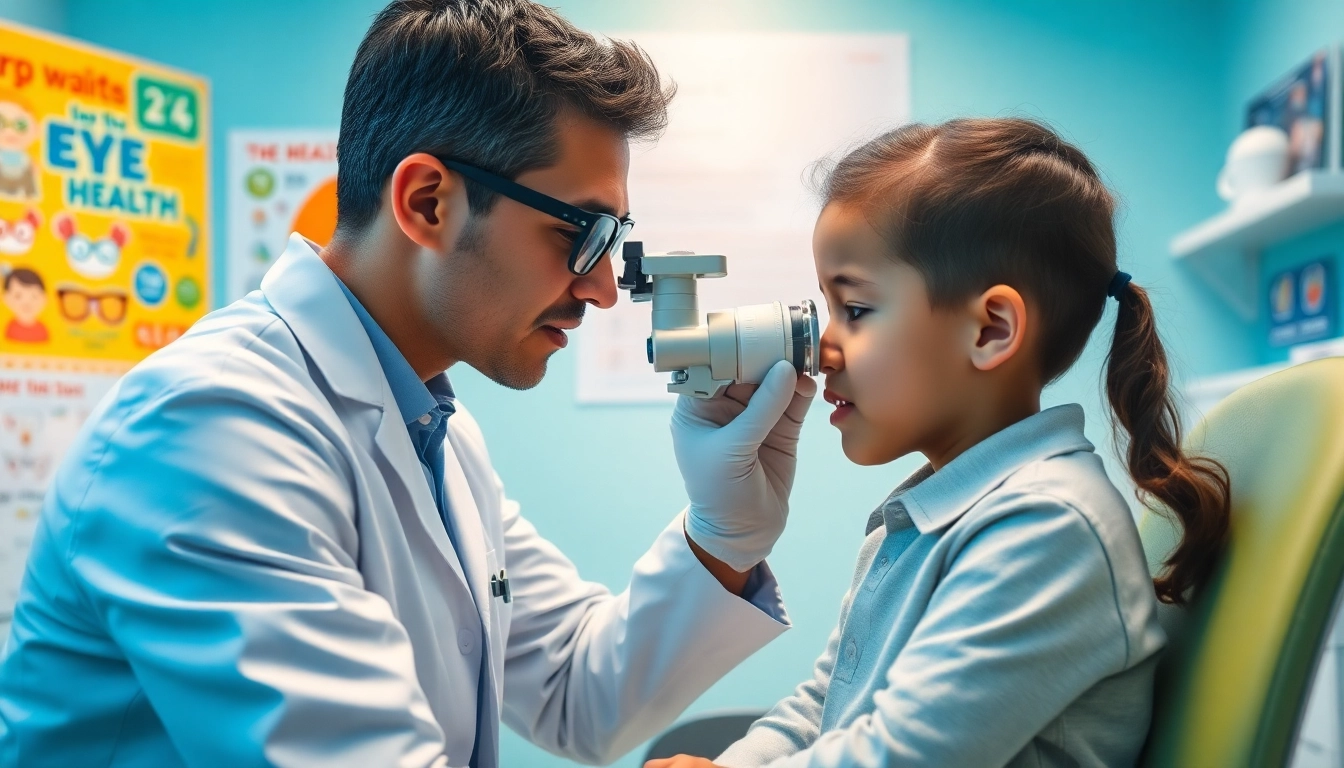
The Significance of Eye Health in Our Children’s Vision
Eye health is a critical aspect of overall child health and development. It is imperative to recognize that adequate vision not only contributes to physical well-being but also plays a foundational role in cognitive development and academic success. Unfortunately, millions of children across the globe suffer from undiagnosed vision problems primarily due to lack of access to essential eye care services. As advocated by various organizations committed to child health, initiatives like Our Children’s Vision aim to address this gap by ensuring that children receive the eye care they need.
Understanding Common Vision Problems
Children can experience a variety of vision problems, many of which may go unnoticed. Some of the most common issues include:
- Myopia (Nearsightedness): This condition causes distant objects to appear blurry. It is increasingly common among school-age children.
- Hyperopia (Farsightedness): In this condition, nearby objects may appear blurry, which can affect reading and other close activities.
- Astigmatism: This occurs when the cornea is irregularly shaped, causing overall blurry vision.
- Amblyopia (Lazy Eye): A condition where one eye does not develop proper vision, leading to poor visual acuity.
- Strabismus (Crossed Eyes): A misalignment of the eyes that can lead to amblyopia if untreated.
Understanding these conditions is pivotal for timely intervention, which can help mitigate their impact on childhood development.
How Eye Care Impacts Learning and Development
Vision plays a key role in a child’s learning process. Approximately 80% of what a child learns in their formative years comes through their vision. Kids with untreated vision problems often struggle academically and may exhibit behavioral issues due to frustration from vision difficulties.
Research indicates that children with uncorrected vision problems are more likely to have poor school performance, affecting their self-esteem and motivation to learn. Additionally, visual impairments can hinder social interactions and sports participation, further isolating children from their peers.
Recognizing Early Signs of Vision Issues
It is essential for parents and caregivers to be vigilant about recognizing early signs of vision issues in children. Some common indicators include:
- Squinting or tilting the head to see better
- Frequent rubbing of the eyes
- Complaints of headaches or eye strain
- Difficulty reading or focusing on tasks
- Covering one eye to see better
Early identification leads to timely diagnosis and treatment, significantly enhancing a child’s quality of life.
Best Practices for Ensuring Healthy Eyes
Routine Eye Exams and Their Importance
Routine eye examinations are crucial in maintaining children’s eye health. The American Academy of Ophthalmology recommends children’s eye exams at various stages of their growth, starting as early as six months and continuing through school years. These evaluations assist in identifying issues early, ensuring treatments can be initiated without delay.
Regular eye exams can also adjust prescriptions for eyeglasses if needed, and monitor any developmental changes in vision.
Promoting Healthy Screen Habits
In today’s digital era, children are exposed to screens more than ever. While technology can be beneficial, it is crucial to promote healthy screen habits to minimize potential eye strain. Strategies include:
- Implementing the 20-20-20 rule: Every 20 minutes of screen time, look at something 20 feet away for at least 20 seconds.
- Encouraging regular breaks during prolonged screen use.
- Setting limits on daily screen time for children based on their age.
These practices are vital in preventing digital eye strain and promoting better eye health among children.
Nutrition’s Role in Eye Health
Nutrition plays a significant role in maintaining optimal eye health. Essential nutrients for eye health include:
- Vitamin A: Crucial for maintaining good vision—found in carrots, sweet potatoes, and spinach.
- Omega-3 Fatty Acids: Important for retinal health—found in fish like salmon and walnuts.
- Lutein and Zeaxanthin: Antioxidants that protect the eyes from harmful light—obtainable from leafy greens and eggs.
Encouraging a balanced diet rich in these vitamins can help reduce the risk of vision problems and support overall eye health.
Accessing Eye Care Services for Children
Finding Affordable Eye Care Options
Access to affordable eye care is a challenge for many families. However, several resources exist to help facilitate access:
- Community health centers often provide low-cost or sliding-scale eye care services.
- Local organizations may offer free vision screenings and awareness programs.
- Schools sometimes partner with local eye care professionals to provide accessible screenings for students.
Exploring these resources can significantly ease the financial burden associated with getting necessary eye care for children.
Community Initiatives Supporting Eye Health
Many communities are coming together to enhance child eye health through various initiatives. Programs that offer free eye exams, glasses, and awareness campaigns help raise the profile of children’s eye health. Advocacy groups often strive to educate families about the importance of regular eye care, making a tangible difference in children’s lives.
Participating in local health fairs or community resources can connect families to these vital services effectively.
Advocating for Public Awareness and Education
Advocacy plays a crucial role in raising awareness about children’s eye health issues. Parents, educators, and healthcare professionals can work together to promote public health messages emphasizing the significance of routine eye exams and early intervention for vision issues. Utilizing community platforms to educate others helps create a network of informed individuals who can push for better access to eye care services.
Technology and Innovations in Pediatric Eye Care
Advancements in Eye Screening Tools
Technological advancements in pediatric eye care are revolutionizing how vision problems are diagnosed. Innovative screening tools, such as digital eye charts and portable autorefractors, have made early identification of vision issues more accessible. These tools not only enhance accuracy but also simplify the screening process for both practitioners and families, enabling more children to receive appropriate care promptly.
Telehealth Options for Eye Care
Telehealth has opened new avenues for pediatric eye care, especially during times when in-person visits may be challenging. Virtual consultations allow parents to seek expert advice from eye care professionals without leaving their homes. They can discuss concerns, receive educational materials, and even have preliminary examinations performed remotely, thus broadening access to crucial eye healthcare services.
Future Trends in Child Eye Health Research
Research in the field of child eye health is crucial to understanding and addressing the unique challenges children face. Emerging studies are exploring genetic factors contributing to pediatric eye conditions, the impacts of digital screen time, and the benefits of wearable technology to monitor eye conditions over time. As this body of research grows, it offers potential breakthroughs in prevention, detection, and treatment strategies.
Resources and Support for Parents
Understanding Eye Health Resources Available
Access to information and resources surrounding eye care is vital for parents. Organizations dedicated to children’s health provide a variety of materials, such as:
- Guidelines for setting up regular eye exams.
- Educational resources on common vision problems.
- Community newsletters advertising local eye health services.
Being informed allows parents to take proactive steps in their children’s eye care journey.
How to Support Your Child’s Vision Needs
Supporting a child’s vision needs involves taking an active role in their eye health. Parents should encourage children to share any vision-related difficulties, emphasize the importance of routine check-ups, and create a healthy environment at home focused on eye care practices, such as maintaining proper lighting during reading and reducing screen time.
Connecting with Professional Networks
Networking with eye care professionals can provide invaluable support for parents navigating their children’s vision needs. Joining local support groups or following online forums can foster connections with like-minded individuals who can share experiences, offer advice, and provide encouragement.
Parents can also participate in community events focused on children’s eye health, promoting their engagement and awareness of resources available to them.