
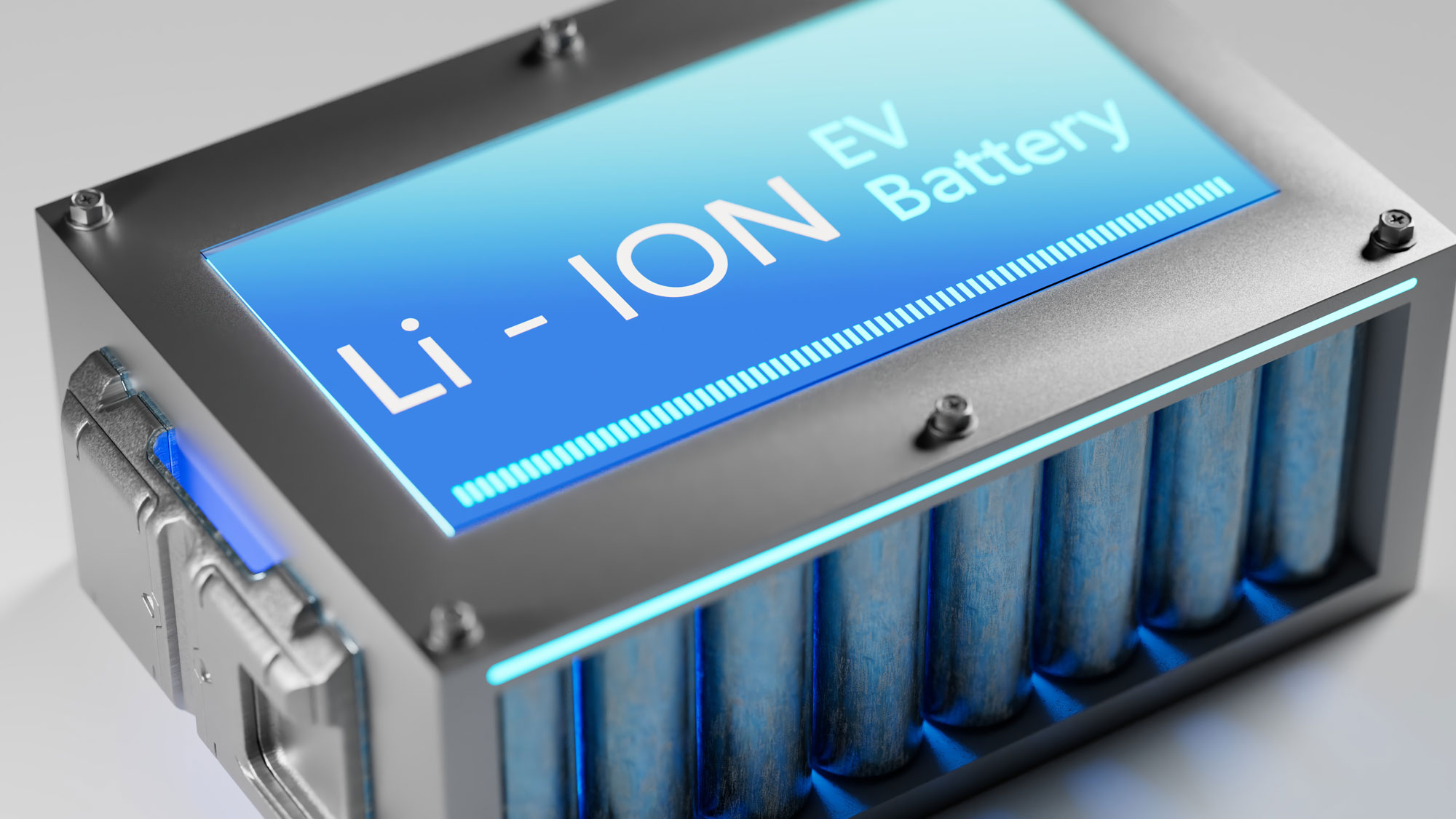
In today’s fast-growing energy landscape, Lithium batteries have become the preferred power solution for industries and businesses worldwide. Their high efficiency, long cycle life, and stable performance make them suitable for a wide range of modern applications. As organizations shift toward cleaner and smarter energy systems, lithium batteries are now essential components in industrial machinery, commercial buildings, transportation fleets, and backup power systems. This eszoneo guide explores the most important commercial and industrial uses of lithium batteries, helping buyers understand where these advanced energy systems deliver the greatest value.
- Energy Storage Systems for Commercial Facilities
- Telecommunications and Data Centers
- Industrial Machinery and Automation
- Renewable Energy and Off-Grid Power Systems
- Electric Vehicles and Commercial Transportation
- Backup Power and UPS Systems
- Marine and RV Applications
- Industrial Solar Lighting and Smart Infrastructure
- Conclusion
Energy Storage Systems for Commercial Facilities
Commercial buildings increasingly rely on energy storage systems to reduce electricity costs and stabilize power usage. In these applications, lithium batteries deliver superior performance due to their fast charging, high depth of discharge, and exceptional durability. Office complexes, retail centers, hospitals, and universities now integrate lithium batteries with solar power systems to store excess energy and supply clean electricity during peak hours. With their ability to handle thousands of cycles, lithium batteries help businesses greatly reduce energy bills and minimize grid dependence.
Peak-Shaving and Load Management
Many companies use lithium batteries to manage peak demand charges. By discharging stored energy during expensive peak periods, businesses can significantly cut operating expenses. The reliability of lithium batteries ensures consistent performance even during high-load events, making them ideal for large commercial users.
Telecommunications and Data Centers
Telecom towers and data centers require highly stable and long-lasting backup power. Lithium batteries outperform traditional lead-acid systems by offering faster response times, better charge retention, and longer service life. For remote telecom towers, the lightweight design of lithium batteries reduces transportation and maintenance costs, while their extended lifespan improves overall network uptime. In data centers, lithium batteries provide instant power during outages and ensure uninterrupted operation for critical infrastructure.
Industrial Machinery and Automation
Industrial facilities rely on automation systems that demand reliable and consistent power. Lithium batteries power AGVs (Automated Guided Vehicles), AMRs (Autonomous Mobile Robots), forklifts, and warehouse logistics equipment. Their rapid charging ability allows machines to operate with minimal downtime. Compared to older technologies, lithium batteries deliver higher energy density, meaning industrial operations can run longer on a single charge. This improves productivity and lowers long-term operational costs.
Material Handling Equipment
Forklifts and pallet movers increasingly use lithium batteries, which provide stable voltage throughout the discharge cycle. This improves lifting performance and extends work shifts, making them highly valuable in manufacturing and warehousing.
Renewable Energy and Off-Grid Power Systems
Off-grid installations rely heavily on lithium batteries for consistent, long-term energy storage. Solar farms, wind installations, and hybrid renewable systems depend on the high cycle life and deep discharge capabilities of lithium batteries. Remote villages, islands, mining sites, and agricultural operations use these batteries to maintain uninterrupted operations without relying on diesel generators.
Microgrids and Hybrid Power
Commercial microgrids integrate lithium batteries to balance supply and demand. These systems store renewable energy during the day and release it when consumption increases, providing reliable electricity for rural and industrial regions.
Electric Vehicles and Commercial Transportation
Commercial EV fleets—including delivery vans, buses, and logistics vehicles—are powered primarily by lithium batteries. Their high energy density provides extended driving range, while their fast-charging capability keeps fleets on the road longer. Public transportation systems also depend on lithium batteries to reduce fuel consumption and cut emissions. As charging infrastructure grows worldwide, more commercial fleets are transitioning to lithium batteries for cleaner and more cost-effective operations.
Backup Power and UPS Systems
Uninterruptible power supply systems (UPS) in commercial and industrial environments require fast, dependable backup energy. Lithium batteries offer rapid discharge, long storage life, and minimal maintenance, making them ideal for emergency situations. Businesses use lithium batteries to protect computers, medical equipment, automation systems, and security systems from unexpected outages. Their compact size and long service life reduce overall maintenance costs while increasing reliability.
Marine and RV Applications
Boats, yachts, and recreational vehicles use lithium batteries to power onboard systems efficiently. Their ability to deliver steady energy for long periods makes them suitable for navigation equipment, lighting, communication devices, and motors. Compared to traditional options, lithium batteries provide faster charging and greater safety, improving the user experience for marine and RV owners.
Industrial Solar Lighting and Smart Infrastructure
Modern cities are adopting solar streetlights, traffic systems, and smart infrastructure powered by lithium batteries. These applications require durable and dependable storage solutions that can withstand continuous charge cycles and varying weather conditions. With their resilience and long lifespan, lithium batteries enhance the performance of smart city systems and reduce long-term maintenance costs.
Conclusion
From commercial buildings and telecom towers to EV fleets and industrial automation, lithium batteries have become essential to modern energy solutions. Their durability, efficiency, and advanced performance make them the top choice for organizations seeking reliable and cost-effective power. As demand grows across global industries, investing in high-quality lithium batteries ensures stronger performance, lower energy expenses, and long-term operational stability for any commercial or industrial project.