
What is California Smog Check?
Definition and Purpose
The California Smog Check is a vehicle emissions testing program designed to identify and mitigate air pollution caused by vehicles. Its primary purpose is to ensure that motor vehicles meet stringent emissions standards set forth by California’s environmental regulations. By requiring regular emissions checks, the program aims to improve air quality and public health across the state, particularly in regions severely impacted by smog and pollution. By participating in the California Smog Check, vehicle owners contribute to a healthier environment and compliance with the law.
History of Smog Checks in California
The history of smog checks in California traces back to the 1960s when the state first acknowledged the severe impacts of air pollution. Rising smog levels in urban areas, especially Los Angeles, led to increased public health concerns and prompted state authorities to act. The first Smog Check program launched in 1984, targeting older vehicles that were more likely to produce harmful emissions. Over the years, this program evolved into a more comprehensive emissions testing strategy, incorporating advanced testing methods and expanding its reach to cover a broader range of vehicles. Today, the California Smog Check is an essential component of the state’s environmental conservation initiatives.
Types of Vehicles Subject to Testing
In California, a variety of vehicles are subject to emissions testing under the Smog Check program. Generally, the following categories are included:
- Gasoline-powered vehicles: Most vehicles manufactured after 1975 require testing, typically every two years, or upon change of ownership.
- Diesel vehicles: Diesel-powered cars and trucks weighing under 14,000 pounds must undergo testing if they were manufactured in 1998 or later.
- Motorcycles: Motorcycles must also participate in the Smog Check, although they are exempt from some regulations that apply to automobiles.
- Alternative fuel vehicles: While electric vehicles are exempt from Smog Checks, those that run on alternative fuels like compressed natural gas (CNG) may still be subject to requirements.
Why California Smog Check is Crucial
Environmental Impact of Vehicle Emissions
Vehicle emissions are a significant contributor to air pollution, leading to various environmental issues. California’s unique geography and climate contribute to the formation of smog, which can worsen air quality and harm public health. By implementing the Smog Check program, the state actively works to reduce the number of high-emission vehicles on the road. The expected outcomes include reduced greenhouse gas emissions, improved air quality, and a positive impact on public health, particularly in urban areas where pollution levels can be alarming.
Legal Requirements and Compliance
Compliance with the California Smog Check program is not optional; it is mandated by state law. Failure to comply can lead to fines, penalties, or even the inability to register a vehicle. Regular testing ensures that vehicles operate within legal emission limits, safeguarding the environment and ensuring public health. Additionally, businesses that rely on transport and logistics must ensure compliance to operate legally within the state.
Benefits of Regular Smog Checks
Engaging in regular Smog Checks offers several benefits, both for vehicle owners and the community. Key advantages include:
- Enhanced vehicle performance: Regular maintenance, including Smog Checks, can lead to better fuel efficiency and overall vehicle performance.
- Higher resale value: A vehicle that consistently passes Smog Checks will typically retain a higher market value.
- Increased lifespan: Addressing emission issues can extend the lifespan of a vehicle, leading to long-term savings on repairs and replacements.
- Contribution to clean air: By ensuring their vehicles meet emission standards, owners contribute to the collective effort to minimize air pollution.
How to Prepare for Your California Smog Check
Essential Maintenance Steps
Preparing for a Smog Check involves several proactive maintenance steps. Owners should consider:
- Regular maintenance: Keeping up with routine oil changes, air filter replacements, and spark plug checks can greatly improve a vehicle’s emissions performance.
- Tire condition: Properly inflated and maintained tires can enhance fuel efficiency and reduce emissions.
- Fluid levels: Ensure that fluids, like coolant and transmission fluid, are at their appropriate levels, as deficiencies can impact vehicle performance.
- Check engine light: If the check engine light is on, it is crucial to address that issue before heading to the Smog Check.
Common Issues that Arise
Several common issues can lead to a vehicle failing the Smog Check. These include:
- Faulty catalytic converters: This essential component helps reduce harmful emissions; if it’s not functioning correctly, it can lead to failure.
- Leaking or damaged hoses: Hoses connected to the vehicle’s EVAP (evaporative emissions) system can deteriorate over time, leading to leaks and increased emissions.
- Oxygen sensor malfunctions: A faulty oxygen sensor can misread the air-fuel mixture, resulting in poor emissions performance.
- Engine alterations: Modifications made to the vehicle’s engine must comply with emissions regulations; non-compliant alterations can lead to failure.
What to Expect During the Inspection
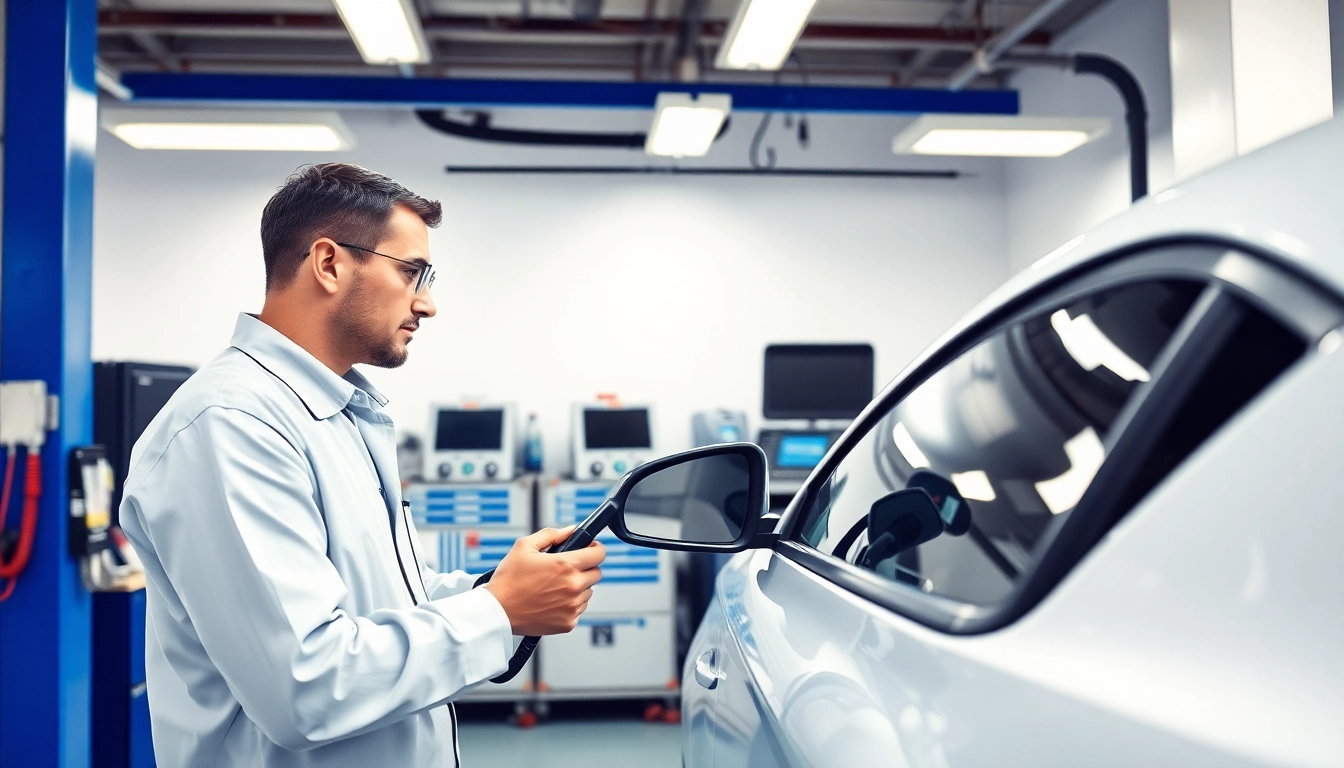
The Smog Check inspection process typically lasts around 20 to 30 minutes and consists of a combination of visual and diagnostic tests. Vehicle owners can expect the following components during an inspection:
- Visual inspection: Technicians will inspect the vehicle’s exhaust system, engine, and emissions control components for any visible damages or irregularities.
- Diagnostic testing: Advanced diagnostic equipment will assess emissions levels and verify compliance with state regulations.
- On-road testing: In some instances, vehicles may be subjected to on-road tests to monitor real-world emissions performance.
Navigating the California Smog Check Process
Finding a Licensed Testing Center
To ensure compliance and accurate testing, it is essential to find a licensed Smog Check station. Vehicle owners can locate these facilities by visiting the California Bureau of Automotive Repair (BAR) website or asking for recommendations from trusted sources. Licensed centers are equipped and trained to conduct the inspections according to state standards and utilize approved equipment to measure emissions.
Understanding Test Results
After the Smog Check is completed, the results will be displayed on the inspection report. There are typically three outcomes:
- Pass: The vehicle meets emissions requirements and can be registered.
- Fail: The vehicle does not meet emissions standards and requires repairs before retesting.
- Exempt: Some vehicles, such as those manufactured before 1975 or electric vehicles, may be exempt from testing altogether.
Understanding these results will help vehicle owners make informed decisions regarding necessary repairs and compliance actions.
Next Steps After Failure of Test
If a vehicle fails the Smog Check, the owner must take specific actions:
- Identify necessary repairs: Review the inspection report to identify which issues lead to failure and prioritize repairs accordingly.
- Get repairs done: It is essential to address all identified problems to ensure the vehicle can pass a future Smog Check.
- Retest the vehicle: After repairs are made, schedule a retest, ideally at the same certified Smog Check center, to ensure compliance.
Future Trends in California Smog Check Regulations
Emerging Technologies in Smog Testing
As technology continues to advance, the Smog Check program is evolving to incorporate new testing methods and equipment. Enhanced sensors and data analytics may enable more accurate real-time emissions testing, potentially improving the Smog Check experience for vehicle owners. Innovations such as remote sensing technology are also being explored, which allows for emissions testing without needing traditional infrastructure.
Policy Changes and Future Compliance
California’s commitment to air quality is unwavering. Future policy changes may involve stricter emissions standards, phased-in requirements for newer vehicles, and incentives for compliance with low-emission technologies. Vehicle owners should remain informed about these changes, as they will directly affect compliance timelines and requirements.
Impact on Electric and Hybrid Vehicles
With the rising adoption of electric and hybrid vehicles, future Smog Check regulations may adapt accordingly. While electric vehicles are currently exempt from Smog Checks, discussions within the state are likely to shape how hybrid vehicles are treated in the Smog Check process. This could influence incentives for electric vehicle adoption and regulations surrounding their emissions impact.