
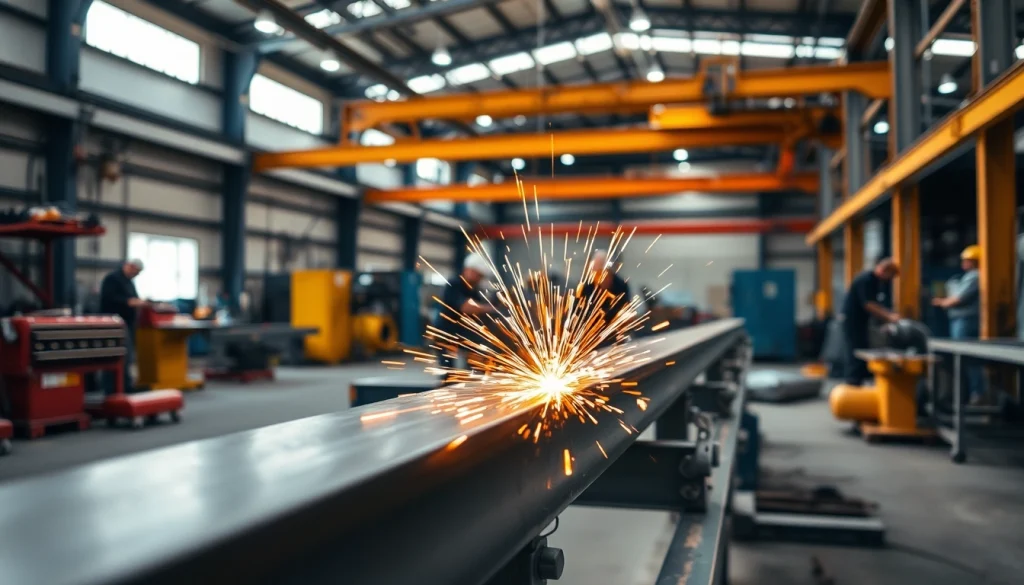
The Basics of Structural Steel Fabrication
Introduction to Structural Steel Fabrication
Structural steel fabrication is a critical process in the construction and engineering industries, providing the skeletal framework for buildings, bridges, and a host of other structures. This process involves transforming raw steel materials into precise components that meet specific engineering requirements and tolerances. As today’s construction methods become increasingly complex, the role of structural steel fabrication remains paramount, ensuring the safety, durability, and integrity of structures. To understand this process better, it’s essential to delve into its core components, the methods used, and its applications across different sectors. By comprehending structural steel fabrication, one can appreciate its value in constructing the infrastructure that supports modern life.
Key Components Involved in the Process
The structural steel fabrication process encompasses several key components. Initially, steel is delivered in large structural formats, including beams, columns, and plates. Each component serves unique purposes in the final assembly of a structure.
- Steel Beams: Often used to support the structural load, these can be I-beams, H-beams, or other configurations.
- Columns: Vertical elements that support loads from above, typically manufactured to withstand significant forces.
- Plates: Flat pieces of steel that can be used as bases or in the assembly of other components.
- Connections: Bolt or weld connections are integral in joining various components together securely.
Understanding these components provides insight into how they interrelate to produce a comprehensive structural framework capable of supporting various building designs.
Materials Used for Structural Steel Fabrication
Different materials are employed in structural steel fabrication, primarily focusing on steel alloys that enhance durability and strength. Commonly used materials include:
- Carbon Steel: Offers a good strength-to-weight ratio, making it a staple in construction.
- Stainless Steel: Known for corrosion resistance, making it suitable for environments exposed to moisture or chemicals.
- Alloy Steel: These are steels mixed with other elements to improve their strength and durability under heat or stress.
The choice of material often hinges on the project requirements, including the location of application, required strength, and environmental factors.
The Structural Steel Fabrication Process Explained
Cutting Techniques in Structural Steel Fabrication
The cutting phase is one of the initial steps in the structural steel fabrication process. Various cutting techniques are employed based on the thickness of the material and the type of component required:
- Flame Cutting: This technique utilizes an oxy-fuel torch to reach high temperatures, melting away steel to form the desired shape.
- Plasma Cutting: Utilizing high-velocity plasma jets, this method produces clean cuts and is typically used for thinner materials.
- Laser Cutting: Known for its precision, laser cutting allows for intricate shapes to be formed out of steel with minimal waste.
Precision in cutting ensures that the fabricated components meet the specifications laid out in engineering drawings and maintain structural integrity.
Bending Methods for Steel Beams
Bending steel beams is crucial for forming various architectural elements. Several methods allow fabricators to bend steel accurately, providing the necessary strength and shape:
- Press Brake Bending: A widely used method, where a machine presses material into a die to create sharp bends.
- Roll Bending: For larger radius bends, this technique involves passing the steel through a series of rollers to achieve the desired curvature.
- Heat Induction Bending: This method involves heating a section of the steel and then bending it into shape, suitable for large diameter pipes or beams.
Understanding the bending techniques allows for a greater level of design flexibility while ensuring structural performance.
Assembly Procedures for Structural Components
The assembly of fabricated components is the final stage before the materials arrive on-site for construction. This stage is critical as it involves:
- Welding: A common method for joining components, it creates a strong, permanent bond between steel parts.
- Bolting: Often used in conjunction with welding, bolting allows for easier disassembly in the future if necessary.
- Prefabrication: Involves assembling parts away from the construction site, resulting in shorter construction times and improved quality control.
Implementing these assembly procedures ensures that fabricated components fit together correctly and uphold the integrity of the entire structure.
Common Applications of Structural Steel Fabrication
Residential Construction with Structural Steel
Structural steel fabrication finds numerous applications within residential construction. Its ability to be pre-engineered allows for:
- Open Spaces: Steel framing reduces the need for support columns, enabling architects to design open, airy spaces.
- Durability: Steel is resistant to pests, rot, and fire, offering a long-lasting solution for homes.
- Speed of Construction: Prefabricated units can be quickly assembled, significantly reducing turnaround times.
These advantages present a compelling case for using structural steel in residential projects, allowing for innovative designs and efficient construction processes.
Commercial Uses of Structural Steel Fabrication
In commercial settings, structural steel is essential for the construction of office buildings, retail facilities, and warehouses. Key advantages include:
- High Load Bearing Capacity: Steel can support significant weights, ideal for multi-story buildings.
- Flexibility in Design: Architects can create unique designs with fewer constraints, enhancing the aesthetic appeal of commercial properties.
- Cost Efficiency: Fast erection times and lower finishing costs contribute to overall project savings.
Commercial applications showcase how structural steel enables larger and more complex structures while adhering to budgetary constraints.
Industrial Applications for Structural Steel Components
Within industrial settings, structural steel plays a pivotal role in manufacturing facilities, power plants, and other infrastructures. Its applications include:
- Framework for Heavy Machinery: Structural steel supports heavy equipment and machinery while providing stability.
- Support Structures: Catwalks, platforms, and other ancillary structures benefit from the strength and resilience of steel.
- Long-Span Structures: Steel’s ability to maintain integrity over long distances makes it ideal for industrial applications.
Utilizing structural steel in industrial applications leads to resilience and reliability required for operations in challenging environments.
Challenges and Best Practices in Structural Steel Fabrication
Addressing Cost Considerations in Fabrication
Cost factors significantly influence the structural steel fabrication process. These can be broadly categorized into material costs, labor, and overhead costs:
- Material Costs: Fluctuations in steel prices can affect project budgets; proactive purchasing strategies can alleviate some of this burden.
- Labor Costs: Skilled labor shortages in the industry can lead to increased costs; investing in training programs may mitigate this issue.
- Overhead Costs: Efficient management of facility and equipment maintenance can help control overall project expenses.
While the challenges are considerable, implementing best practices such as thorough project planning, budgeting, and seeking bulk purchasing options can enhance cost efficiency.
Quality Control Measures for Structural Steel Fabrication
Quality control is a major concern in structural steel fabrication, ensuring that components meet safety standards and performance requirements. Common measures include:
- Regular Inspections: Conducting inspections throughout the fabrication process helps identify and rectify potential issues.
- Testing Materials: Ensuring that materials meet specified standards before fabrication minimizes the risk of failure.
- Certification: Adhering to industry standards and obtaining certifications can foster trust and reliability in the fabrication process.
Implementing robust quality control measures fosters confidence in the final product and reduces the likelihood of future failures in structural applications.
Innovations and Trends in the Steel Fabrication Industry
The structural steel fabrication industry is continually evolving with innovative technologies and practices. Some current trends include:
- BIM (Building Information Modeling): This technology enhances the accuracy of fabrication and assembly through detailed digital modeling.
- Automation: Increasing the use of automated machinery reduces labor costs and increases efficiency in fabrication processes.
- Sustainable Practices: Green practices, including recycling steel and reducing waste in fabrication, are becoming standard to meet environmental standards.
Embracing these innovations ensures a competitive edge within the market while adapting to ongoing challenges and client demands.
Future of Structural Steel Fabrication
Sustainability in Structural Steel Fabrication
Sustainability is increasingly becoming a focal point in the construction industry. Structural steel fabrication plays a significant role as it:
- Is Recyclable: Steel can be recycled without losing quality, aligning with global sustainability goals.
- Reduces Material Waste: Advances in fabrication techniques minimize waste through efficient designs.
- Ignores Deterioration: The durability of steel means structures last longer, reducing the need for frequent replacements.
By prioritizing sustainable practices in structural steel fabrication, we can contribute significantly to environmental protection while maintaining structural integrity.
The Impact of Technology on Fabrication Processes
The integration of technology into structural steel fabrication transforms traditional methods. Notable advancements include:
- 3D Printing: While not widely used for large structures, 3D printing provides possibilities for creating intricate models and components.
- Advanced Software: Software solutions enable precision in project planning and reduce chances of errors during fabrication.
- Remote Monitoring: IoT (Internet of Things) technology allows for real-time tracking of fabrication processes, enhancing efficiency and mitigating risks.
Technological advancements open new possibilities for fabricators, ensuring they can meet modern demands while improving quality and reducing costs.
Looking Ahead: Trends to Watch in Structural Steel Fabrication
The future landscape of structural steel fabrication is shaped by several emerging trends. Understanding these will be crucial for industry stakeholders:
- Custom Fabrication: As client demands become more unique, the ability to customize designs quickly will be vital.
- Modular Construction: A shift towards modular construction highlights the need for prefabricated components that can be easily assembled on-site.
- Enhanced Collaboration: Increased collaboration between designers, fabricators, and installers may streamline processes and improve outcomes.
Recognizing and adapting to these trends is essential for businesses aiming to stay competitive in the evolving landscape of structural steel fabrication.