How a Concrete Contractor Handles Saw Cutting and Concrete Removal
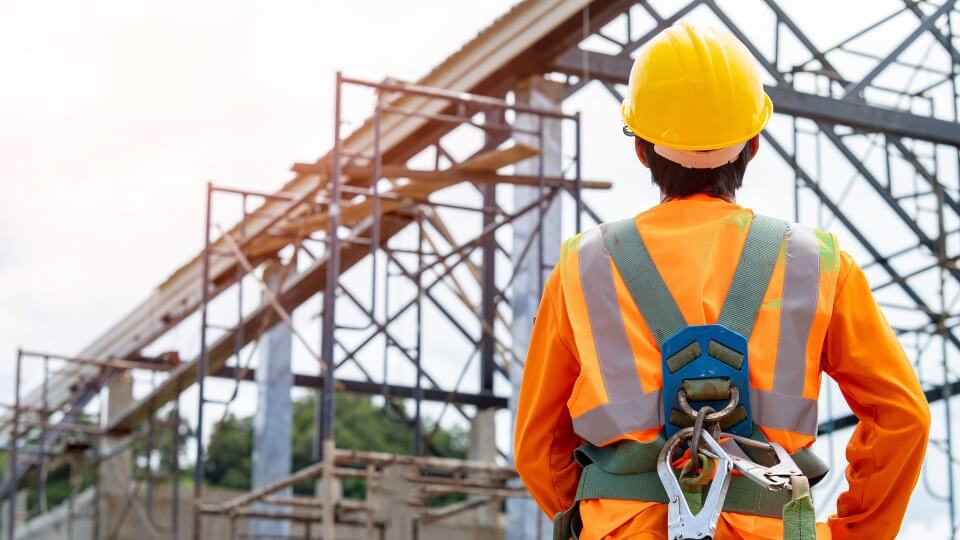
Saw cutting and concrete removal are critical tasks in industrial and commercial construction projects. Whether preparing for slab repairs, demolition, or creating expansion joints, precise cutting and removal require skill, planning, and specialized equipment. A professional Concrete Contractor ensures that these processes are executed safely, efficiently, and to exact specifications, minimizing disruptions and maintaining structural integrity.
Understanding Saw Cutting and Concrete Removal
Concrete saw cutting involves creating precise cuts in slabs, walls, or pavement using specialized equipment. Concrete removal, on the other hand, involves breaking and removing sections of concrete for repairs, demolition, or new construction. Both processes are complex and require technical knowledge, experience, and attention to detail.
Importance in Industrial Projects
Industrial sites often involve heavy machinery, equipment pads, and reinforced concrete structures. Improper saw cutting or removal can lead to structural damage, uneven surfaces, or unsafe working conditions. A professional concrete contractor mitigates these risks through proper planning and execution.
Applications of Saw Cutting and Concrete Removal
Some common applications include:
- Creating expansion joints to prevent cracking
- Removing damaged or worn concrete slabs
- Preparing foundations for equipment pads
- Adjusting concrete surfaces for renovations or retrofits
- Demolition of industrial slabs, walls, or sidewalks
Pre-Project Assessment and Planning
Before any cutting or removal begins, a professional concrete contractor conducts a thorough site assessment to understand the project scope, identify potential risks, and select the appropriate methods and equipment.
Site Evaluation
The contractor evaluates the slab thickness, reinforcement layout, environmental conditions, and adjacent structures. This assessment ensures that saw cutting and removal are precise and do not compromise nearby concrete or installations.
Safety Planning
Saw cutting and concrete removal involve heavy machinery, dust, noise, and potential hazards. A skilled concrete contractor develops a safety plan that includes protective barriers, personal protective equipment (PPE), dust control measures, and adherence to OSHA and local regulations.
Equipment Selection
Choosing the right tools is essential. Depending on the project, the concrete contractor may use:
- Handheld or walk-behind concrete saws
- Wall saws for vertical cuts
- Wire saws for thick or reinforced concrete
- Hydraulic breakers and jackhammers for removal
- Diamond-tipped blades for precision cutting
Saw Cutting Techniques
Proper saw cutting ensures clean edges, reduces the risk of cracking, and maintains structural integrity.
Timing of Cuts
The concrete contractor determines the optimal time for cutting to minimize stress and cracking. Early entry cuts prevent uncontrolled cracking, while later cuts ensure proper curing before cutting deeper sections.
Cutting Depth and Spacing
The contractor calculates cut depth based on slab thickness and reinforcement placement. Proper spacing of cuts is critical to control shrinkage and thermal stresses in large slabs.
Precision Cutting
Laser-guided or precision saws allow the concrete contractor to create straight, clean cuts with minimal disruption. This is especially important in industrial environments where tolerances are strict and alignment is crucial for machinery or structural components.
Dust and Debris Management
Concrete cutting generates significant dust and debris. A professional concrete contractor employs water suppression, vacuum systems, or barriers to maintain a clean and safe work environment.
Concrete Removal Techniques
After cutting, damaged or unwanted concrete must be removed efficiently and safely.
Mechanical Breaking
For small to medium sections, hydraulic breakers, jackhammers, or pneumatic tools are used. A skilled concrete contractor applies controlled force to prevent damage to surrounding structures.
Large-Scale Removal
Industrial slabs often require heavy machinery for removal. Skid steers, excavators, and other equipment are used under the contractor’s supervision to extract concrete safely.
Rebar and Reinforcement Handling
Removed concrete often contains embedded reinforcement. The concrete contractor cuts, bends, or removes rebar as necessary, ensuring safe disposal or reuse according to project requirements.
Waste Management
Proper disposal of concrete debris is essential for compliance with environmental regulations. A professional concrete contractor coordinates debris removal, recycling, or proper disposal in accordance with local guidelines.
Post-Cutting and Removal Considerations
After saw cutting and concrete removal, the site must be prepared for the next phase of construction.
Surface Preparation
The concrete contractor cleans, levels, and prepares the exposed subgrade or remaining slab to ensure proper bonding for repairs or new concrete placement.
Inspection and Quality Assurance
Inspection ensures that cuts and removed sections meet project specifications. A skilled concrete contractor verifies depth, alignment, and structural integrity before proceeding with repairs, overlays, or new construction.
Coordination with Other Trades
Saw cutting and removal often precede the installation of electrical equipment, machinery pads, or plumbing. The concrete contractor collaborates with engineers, project managers, and other trades to ensure smooth workflow and integration.
Challenges in Saw Cutting and Concrete Removal
Concrete cutting and removal can present several challenges that require expertise to address:
Reinforced Concrete
Thick or heavily reinforced slabs require specialized blades, wire saws, and cutting techniques to avoid damaging equipment or adjacent structures.
Limited Access
Confined industrial spaces can make cutting and removal difficult. A professional concrete contractor adapts equipment and methods to work safely in restricted areas.
Noise and Vibration
Cutting and breaking concrete generate significant noise and vibration, which can affect nearby machinery and personnel. Contractors employ noise-reduction techniques and schedule work to minimize disruption.
Weather Conditions
Extreme temperatures or moisture can affect cutting efficiency and surface quality. A skilled concrete contractor adjusts methods and timing to mitigate environmental impact.
Benefits of Hiring a Professional Concrete Contractor
Engaging an experienced concrete contractor for saw cutting and concrete removal ensures:
- Precision: Clean, accurate cuts with minimal damage to surrounding concrete.
- Safety: Proper protocols for worker protection and site safety.
- Efficiency: Reduced project time through skilled planning and equipment use.
- Compliance: Adherence to local regulations and industry standards.
- Quality Assurance: Thorough inspections and post-removal preparation for next construction phases.
Conclusion
Saw cutting and concrete removal are complex tasks that demand expertise, planning, and precision. A professional concrete contractor manages every aspect—from pre-project assessment, equipment selection, and cutting techniques to safe removal, debris management, and post-work site preparation. By hiring an experienced contractor, industrial and commercial projects achieve clean, precise results that support structural integrity, operational efficiency, and long-term durability. Effective saw cutting and concrete removal set the foundation for successful construction, repairs, and renovations, protecting both investment and safety.
About the Author