
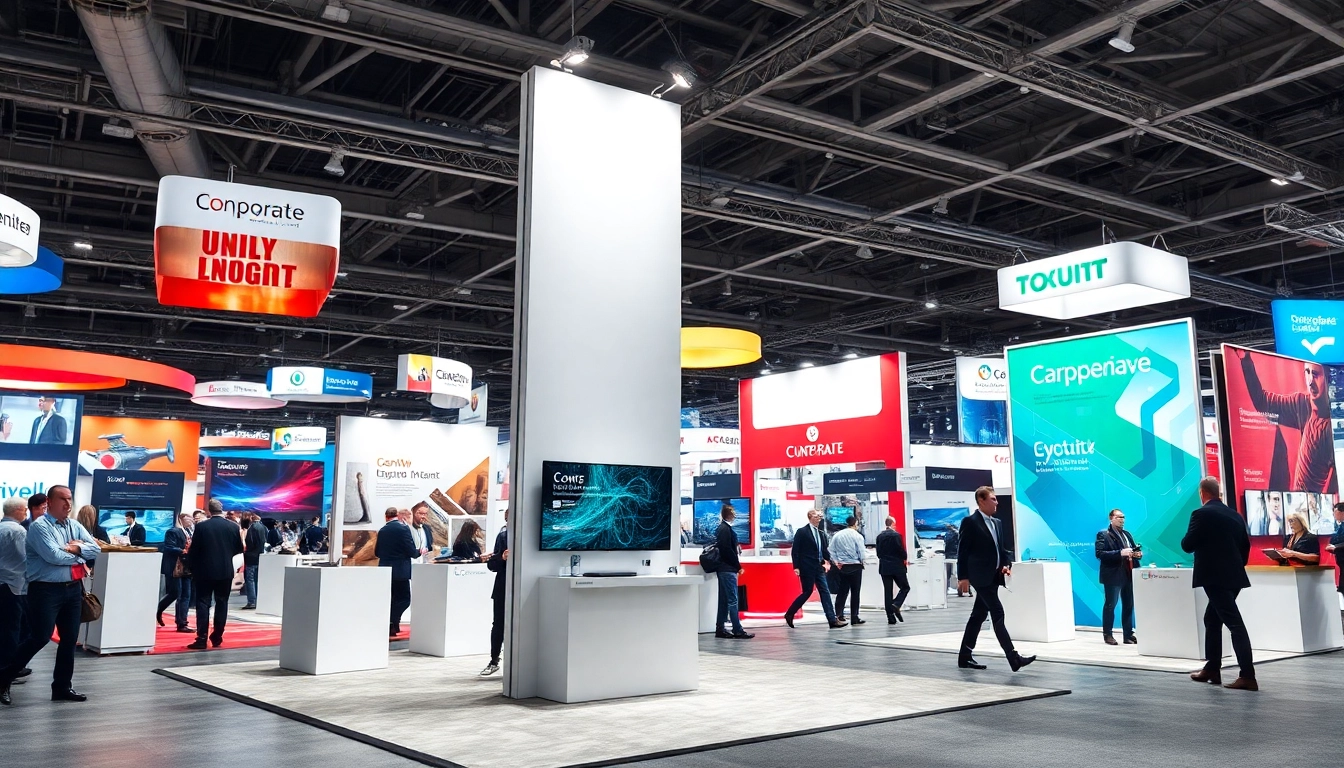
Understanding Trade Show Displays
Trade shows are powerful marketing tools for businesses across various industries. They provide opportunities for networking, showcasing products, and gaining insights into market trends. However, to maximize the potential of attending a trade show, companies need to invest in effective trade show displays. Trade show displays are essential for creating an attractive and engaging booth that draws attendees in.
What Are Trade Show Displays?
Trade show displays refer to the physical structures and presentations that businesses set up at trade shows and exhibitions. These displays can range from simple banners and tables to complex booths with multimedia elements. The primary purpose of these displays is to communicate a brand’s message, showcase products or services, and facilitate interactions with potential customers.
Different Types of Trade Show Displays
Understanding the various types of trade show displays available can help businesses choose the right fit for their needs:
- Pop-up Displays: These are lightweight and portable displays that can be set up quickly. They often feature vibrant graphics that attract attention.
- Banner Stands: Ideal for showcasing key messages or promotional material, banner stands come in various sizes and styles, making them versatile options.
- Tabletop Displays: Compact and easy to transport, these displays are perfect for limited space and are often used in conjunction with other display types.
- Custom Booths: For businesses looking to make a significant impact, custom-designed booths provide the flexibility to incorporate unique branding and features that reflect their identity.
- Modular Displays: These are flexible setups that allow for various configurations and can adapt to different booth sizes and layouts.
Choosing the Right Trade Show Display for Your Needs
When selecting the ideal trade show display, consider several factors:
- Space Availability: Measure the space you have at the venue to ensure your display fits comfortably.
- Brand Message: Choose a design that aligns with your brand’s identity and effectively communicates your message.
- Budget: Determine how much you are willing to spend, keeping in mind that high-quality displays can yield better returns on investment.
- Target Audience: Tailor your display to resonate with the audience you wish to attract.
Designing Your Trade Show Displays
The design of your trade show display is crucial in determining its effectiveness. A well-thought-out design can significantly enhance attendee engagement.
Key Design Elements for Effective Displays
Several key components contribute to a compelling design:
- Visual Hierarchy: Use size, color, and placement to guide attendees’ eyes toward the most important information.
- Interactive Elements: Incorporate hands-on experiences or digital displays that invite interaction and engagement.
- Lighting: Proper lighting can enhance your display, drawing attention and creating an inviting atmosphere.
Incorporating Brand Identity into Your Displays
Your display should serve as an extension of your brand. Make sure to integrate logos, taglines, and brand colors consistently throughout the design to reinforce brand recognition.
Color Schemes and Graphics for Maximum Impact
Color plays a significant role in perception. Choose a color scheme that is visually appealing and supports your brand message. High-quality graphics and images can elevate your display from ordinary to extraordinary, making it easier to capture the interest of attendees.
Effective Strategies for Using Trade Show Displays
Simply having a trade show display is not sufficient. Implementing strategic approaches can significantly enhance its effectiveness.
How to Attract Attendees to Your Trade Show Displays
Getting people to your booth is the first hurdle. Here are some effective strategies:
- Pre-Event Marketing: Promote your presence at the trade show through social media and email newsletters to build anticipation.
- Engaging Giveaways: Offer enticing promotional items that can draw people in and provide a conversation starter.
- Live Demonstrations: Showcase your products or services in action, creating a dynamic atmosphere that attracts attendees.
Engagement Techniques During Events
Once attendees visit your booth, it’s essential to keep them engaged:
- Personalized Interactions: Train staff to engage with attendees genuinely, asking questions and listening to their needs.
- Interactive Displays: Incorporate games, quizzes, or activities that allow attendees to participate actively.
- Collect Contact Information: Provide simple ways for visitors to leave their information for future follow-up, such as digital forms or drawing entries.
Post-Event Follow Up Strategies
The interaction does not end when the event is over. Consider these follow-up methods:
- Email Communication: Send personalized thank you emails to those who visited your booth, offering additional information or promotions.
- Feedback Surveys: Gather insights from attendees about their experiences at your booth to refine future approaches.
- Social Media Engagement: Use your social channels to showcase highlights from the event and engage with attendees who visited your booth.
Budgeting for Trade Show Displays
Budgeting for your trade show display is a critical consideration that requires careful planning and prioritization.
Understanding Cost Factors in Display Production
Several factors can impact the costs associated with trade show displays:
- Design Complexity: Unique or elaborate designs can drive up production costs.
- Materials Used: The type of materials chosen (e.g., fabric, vinyl, etc.) will influence the budget.
- Shipping and Handling: Don’t forget to factor in transportation costs to and from the event location.
Finding Cost-Effective Solutions That Don’t Compromise Quality
Quality trade show displays do not always have to break the bank. Explore these options:
- Renting Displays: Chair and renting displays can reduce upfront costs, allowing for a more flexible investment.
- DIY Designs: For those with design skills, creating a display in-house can save on costs.
- Second-hand Displays: Consider purchasing used displays that companies no longer need, often available at significant discounts.
Rental vs. Purchase: What’s Right for You?
The decision to rent or purchase a trade show display depends on multiple factors:
- Frequency of Use: If you participate in multiple events throughout the year, investing in a quality display might be worthwhile.
- Budget Constraints: For those with tighter budgets or who attend fewer shows, rental options may be more suitable.
- Storage and Maintenance: Owning a display includes additional considerations for storage and upkeep that renting does not.
Measuring the Success of Your Trade Show Displays
Investing in trade show displays is essential, but measuring their effectiveness is just as important to ensure ongoing success.
Setting KPIs for Your Event Strategy
To measure performance effectively, establish clear Key Performance Indicators (KPIs). Consider the following:
- Leads Collected: Track the number and quality of leads generated during the event.
- Brand Awareness: Measure increases in social media followers, website traffic, or inquiries after the event.
- Engagement Levels: Monitor how attendees interacted with your booth through activities and demonstrations.
Analyzing Attendee Engagement and Feedback
Post-event analysis is crucial for understanding attendee perceptions:
- Survey Attendees: After the event, reach out to individuals who engaged with your booth to gather insights on their experience.
- Evaluate Engagement Metrics: Use social media and website analytics to determine how well attendees remembered and engaged with your brand after the event.
Adjusting Future Displays Based on Performance Metrics
To continuously improve your trade show strategy, incorporate feedback and performance data:
- Refine Display Design: Use feedback to modify display elements, enhancing aspects that resonated with attendees.
- Adjust Engagement Techniques: Assess which methods proved most successful and employ similar strategies in future events.
- Budget Allocation: Use measured success to guide budget allocations for future trade shows, focusing on high-return aspects.