
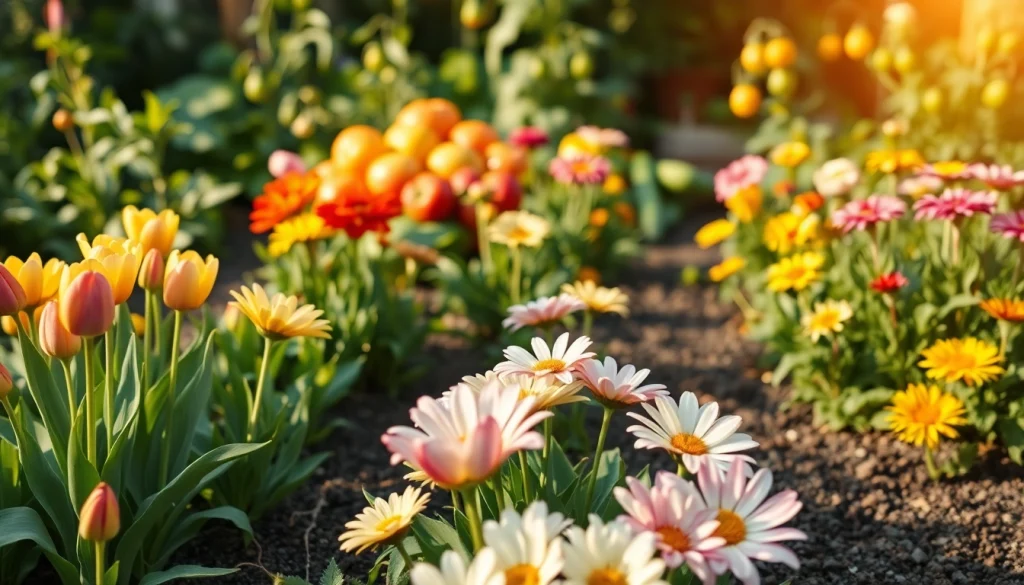
Understanding the Basics of Gardening
Gardening is much more than a hobby; it is a fulfilling activity that connects you to nature and enhances your environment. The key to successful gardening lies in understanding several essential elements that contribute to a thriving garden. By familiarizing yourself with the basics and adopting effective practices, you can transform any space into a lush paradise. Whether you’re a novice or a seasoned gardener, these fundamental concepts will pave the way for growth and success in your gardening journey. For more insights and tools to assist you along the way, explore helpful resources related to Gardening.
Essential Gardening Tools You Need
Before you start planting, it’s crucial to have the right tools in hand. Here is a list of essential gardening tools that will help you maintain your garden effectively:
- Hand Trowel: Ideal for digging small holes, planting bulbs, and transplanting seedlings.
- Pruning Shears: Used for cutting back plants and removing dead or overgrown branches.
- Garden Fork: Great for loosening compact soil and turning compost.
- Watering Can: Provides a gentle and controlled way to hydrate your plants.
- Rake: Essential for leveling soil and gathering debris.
- Garden Hoe: Perfect for weeding and aerating soil.
- Gloves: Protect your hands while gardening to avoid blisters and cuts.
Investing in quality tools can greatly enhance your gardening experience and help you achieve better results.
Soil Types and Their Importance in Gardening
The foundation of any garden is its soil. Understanding the different types of soil and their properties is crucial for fostering healthy plant growth.
- Sandy Soil: Drains quickly and warms up fast; good for vegetables, but does not retain nutrients well.
- Clay Soil: Heavy and dense; retains moisture and nutrients but can become compacted; needs amending for better drainage.
- Silt Soil: Fertile and holds moisture well, ideal for growing a wide variety of plants.
- Loamy Soil: A mixture of sand, silt, and clay; considered the best type of soil for gardening due to its balance of drainage and nutrient retention.
Amending your soil with organic matter can enhance its structure, improve fertility, and ensure adequate drainage.
Choosing the Right Plants for Your Garden
Selecting the appropriate plants is vital for a flourishing garden. Here are factors to consider when choosing plants:
- Climate: Research your local climate and select plants that thrive in those conditions.
- Sunlight: Assess the sunlight availability in your garden area to choose sun-loving or shade-tolerant plants accordingly.
- Soil Type: Ensure the chosen plants are compatible with your soil type.
- Native Plants: Consider incorporating native species that adapt well to local conditions and require less maintenance.
- Companion Planting: Some plants thrive better when planted next to specific neighbors, enhancing growth and repelling pests.
Conducting thorough research and planning will ensure that the plants you choose will complement each other, as well as the overall aesthetic of your garden.
Advanced Gardening Techniques
Companion Planting for Better Growth
Companion planting is an age-old gardening technique that involves pairing plants that support each other’s growth. Here are some valuable combinations:
- Tomatoes and Basil: Basil improves the flavor of tomatoes and can deter pests.
- Carrots and Onions: Onions help to repel carrot flies; this combination enhances the health of both crops.
- Beans and Corn: Beans fix nitrogen in the soil, benefiting corn, while corn provides structure for beans to climb.
Implementing companion planting not only maximizes your garden’s productivity but can also lead to healthier plants overall.
Organic Gardening Practices to Nourish Your Plants
Organic gardening emphasizes the use of natural processes and materials to grow and maintain plants. Here are some practices to incorporate:
- Composting: Creating compost from kitchen scraps, yard waste, and organic materials enriches your soil and reduces waste.
- Natural Pest Control: Introduce beneficial insects, such as ladybugs and lacewings, to your garden to help control pests naturally.
- Mulching: Use organic mulches like wood chips or straw to retain moisture, suppress weeds, and improve soil health.
- Crop Rotation: Change the planting location of certain crops each year to prevent soil depletion and reduce pest and disease buildup.
Organic practices contribute to a healthier environment and yield produce that is free of synthetic chemicals.
Climate Considerations in Gardening
Your local climate plays a significant role in determining what plants will thrive in your garden. Here are factors to consider:
- Frost Dates: Know your local frost dates to plant accordingly and protect vulnerable plants.
- Humidity Levels: Understand the humidity in your region, as it can affect plant health and pest outbreaks.
- Seasonal Temperature Variations: Research temperature extremes to choose resilient plants that can endure your climate.
By choosing climate-appropriate plants and monitoring weather conditions, you can optimize your garden’s growth potential.
Common Challenges in Gardening
Pest Management Strategies for Healthy Plants
Pests are often an inevitable part of gardening, but managing them effectively can safeguard your plants. Here are some strategies:
- Regular Monitoring: Inspect plants frequently for signs of pest damage or infestations.
- Physical Barriers: Use row covers or netting to protect plants from pests.
- Natural Deterrents: Introduce plants that repel certain pests, such as marigolds to deter nematodes.
- Homemade Sprays: Consider using diatomaceous earth or soap solutions as eco-friendly pest control.
By being proactive and observant, you can keep pests at bay and maintain the health of your garden.
Dealing with Weather Extremes
Weather extremes can pose significant challenges for gardeners. Here are tips to mitigate their impact:
- Watering Practices: Establish a consistent watering schedule, adjusting based on rainfall and temperature to avoid drought stress.
- Windbreaks: Use fences, trees, or shrubs to reduce wind damage to plants.
- Shade Structures: In extremely hot climates, consider using shade cloths or planting trees that provide cooling shade during peak sun hours.
Implementing proactive strategies to deal with weather extremes can create a more resilient garden.
Identifying and Treating Plant Diseases
Plant diseases can spread rapidly, so it’s crucial to detect and manage them quickly. Here’s how:
- Know the Symptoms: Familiarize yourself with common plant diseases and their indicators, such as discoloration, wilting, or spots.
- Remove Infected Parts: If you identify unhealthy plants, remove affected parts to prevent spread.
- Use Organic Treatments: Consider organic fungicides or natural remedies like baking soda sprays for common fungal issues.
Being vigilant and informed can significantly reduce the impact of diseases in your garden.
Seasonal Gardening Tips
Spring Gardening: Planting and Preparation
Spring is the ideal time to kickstart your gardening efforts. Here’s how to prepare:
- Soil Preparation: Test and amend your soil as needed, ensuring it’s rich in nutrients and well-aerated.
- Start Seeds Indoors: For a head start, consider germinating seeds indoors before transferring them outside.
- Plan for Crop Rotation: Rotate crops to maintain soil health and reduce pest risks.
Emphasizing preparation in spring can set the foundation for a successful gardening season.
Summer Care: Maintenance and Watering
With the arrival of summer, maintaining proper care for your garden is critical. Here are essential summer tips:
- Consistent Watering: Implement deep watering practices to ensure roots get adequate moisture.
- Mulching: Apply mulch to conserve moisture and suppress weeds.
- Pest Monitoring: Stay vigilant for pest activity and address problems immediately.
Effective summer care will ensure your plants thrive during the hottest weeks of the year.
Preparing Your Garden for Fall and Winter
As the gardening season winds down, preparing your garden for the colder months is essential. Consider these steps:
- Clean Up Debris: Remove dead plants, weeds, and debris to minimize disease and pests.
- Plant Cover Crops: Consider sowing cover crops to improve soil health over winter.
- Protect Tender Plants: Use protective coverings or markers to shield sensitive plants from frost.
Proper preparation for fall and winter ensures that your garden remains healthy and ready for the next growing season.
Building a Thriving Gardening Community
Benefits of Joining Local Gardening Clubs
Being part of a gardening community can enhance your gardening experience. Here are the benefits:
- Networking: Connect with other local gardeners who share your passion and knowledge.
- Education: Participate in workshops and classes that enhance your gardening skills.
- Shared Resources: Access plant exchanges, tool sharing, and other community resources to support your gardening endeavors.
Joining a gardening club not only fosters learning but also builds camaraderie among fellow gardeners.
Sharing Knowledge Through Gardening Workshops
Hosting or attending gardening workshops can significantly enhance your gardening skills. Consider the following:
- Hands-On Learning: Workshops allow for practical learning experiences that can lead to immediate improvements in your gardening techniques.
- Networking Opportunities: Meet local experts and fellow gardening enthusiasts who can share advice and insights.
- Confidence Building: Engaging in collaborative learning fosters confidence and encourages experimentation in your gardening practices.
Workshops are an excellent way to gain knowledge that can be directly applied to your gardening efforts.
Using Social Media to Connect with Other Gardeners
In today’s digital age, social media provides a unique platform for gardening enthusiasts to share experiences and knowledge. Here’s how to leverage it:
- Join Online Communities: Participate in forums or social media groups dedicated to gardening where members share tips, photos, and resources.
- Share Your Journey: Document your gardening experiences on social media platforms; this encourages engagement and feedback.
- Learn from Experts: Follow gardening experts and influencers for the latest trends, practices, and inspiration.
Engaging with others on social media can enrich your gardening experience and provide support along your journey.