Getting Started with Gardening Basics
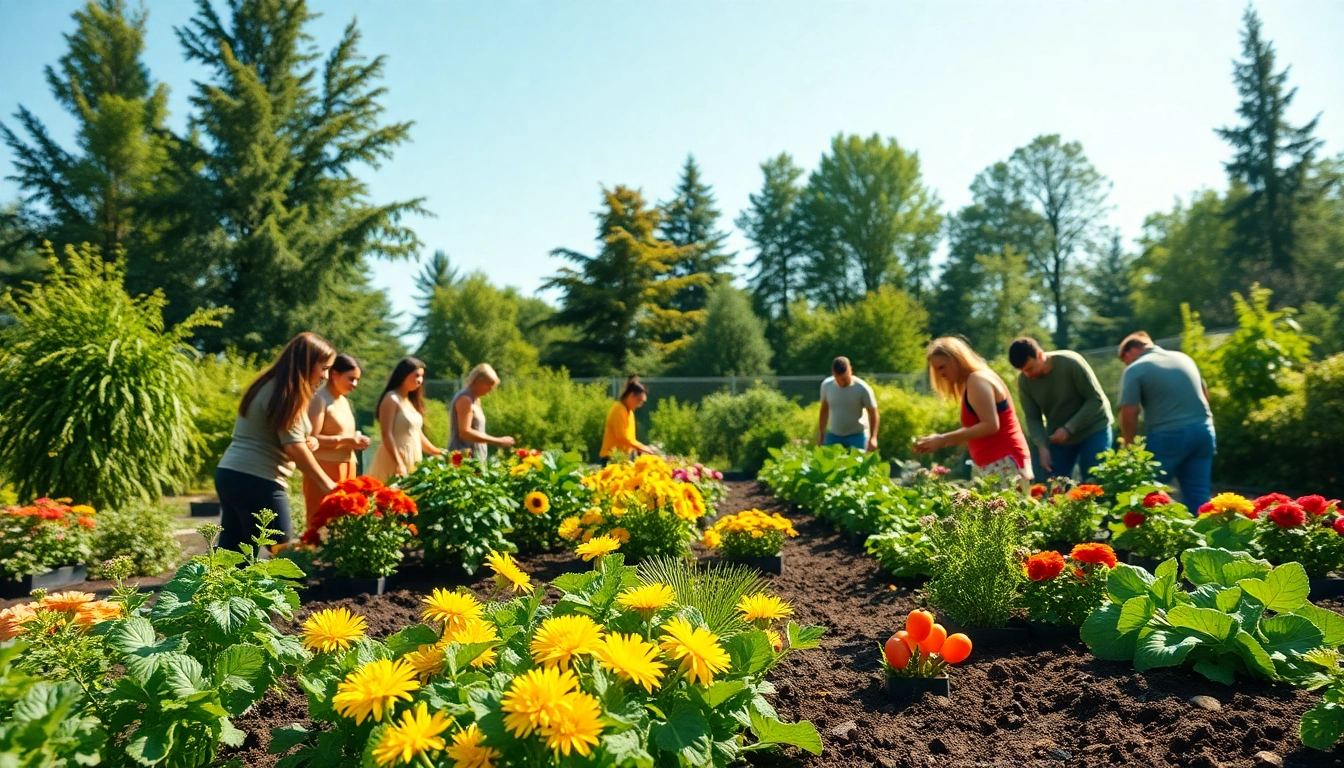
Embarking on the journey of Gardening can be both rewarding and enriching. Whether you’re an aspiring gardener or someone looking to enhance your existing skills, understanding the foundational elements is essential. At its core, Gardening involves a harmonious relationship with nature, where the right combination of elements, including Gardening, soil, water, and sunlight, plays a critical role in cultivating thriving plants.
Understanding Soil and Its Importance
Soil is the very essence of Gardening. It’s not just the ground we plant in; it’s a complex ecosystem that supports life. Healthy soil provides essential nutrients for plant growth, facilitates water retention, and offers a habitat for beneficial organisms. Here are some crucial aspects to consider:
- Types of Soil: There are various types of soil—clay, sandy, and loamy, each with unique properties. Loamy soil is often considered the best for Gardening as it retains moisture while allowing drainage.
- Soil Testing: Testing your soil pH and nutrient content is vital. A balanced pH level (between 6.0 and 7.0) supports most plants. You can use kits available at garden centers to assess your soil quality.
- Soil Amendments: Improving soil structure can be done through organic matter addition, such as compost or well-rotted manure. These amendments enrich the soil, fostering a healthier growing environment.
Essential Tools Every Gardener Needs
Having the right tools is crucial for effective Gardening. Here’s a list of must-have tools that can streamline your gardening tasks:
- Hand Trowel: Ideal for planting, digging, and mixing soil.
- Pruning Shears: Essential for cutting back plants and encouraging growth.
- Garden Fork: Useful for loosening soil and turning over compost.
- Watering Can or Hose: Vital for providing plants with the right amount of moisture.
- Gloves: Protect your hands from thorns, stickers, and dirt.
Choosing the Right Plants for Your Climate
Different plants thrive in different climates. Understanding your growing zone is crucial for success in Gardening. Here’s how you can make informed choices:
- Hardiness Zones: Familiarize yourself with the USDA hardiness zone map to identify plants that will flourish in your area.
- Native Plants: Opting for native species ensures that you choose plants adapted well to your local environment, requiring less maintenance.
- Seasonal Considerations: Consider planting seasonal crops or flowers that flourish in your local climate; for instance, cool-season plants like kale do well in early spring, while tomatoes thrive in summer.
Planning Your Garden Layout
Effective planning can significantly influence the success of your garden. A well-designed layout not only optimizes space but also ensures healthy plant growth. Here are some strategies:
Designing Your Garden for Maximum Yield
Creating a garden that maximizes yield involves thoughtful spacing and arrangement. Consider these tips:
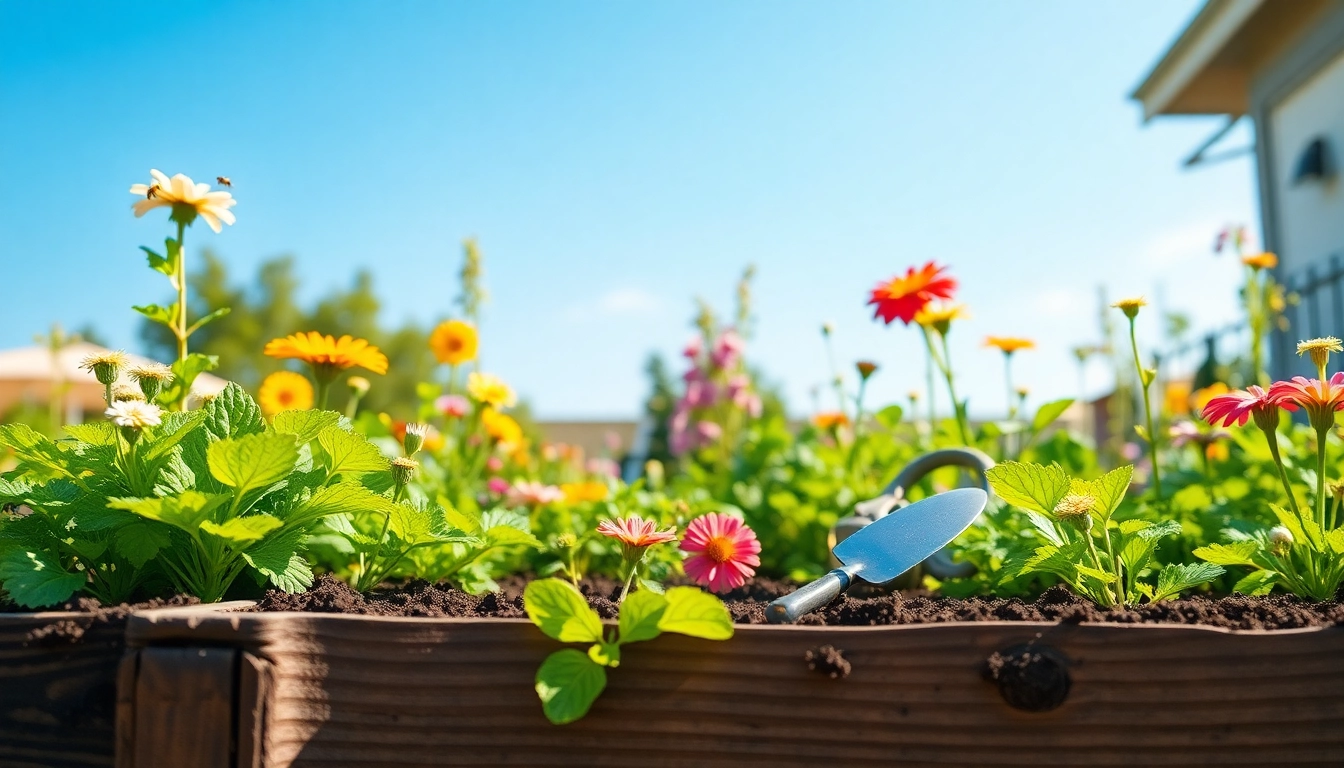
- Raised Beds: Using raised beds can improve drainage and soil warmth. These beds can also make it easier to maintain plants.
- Companion Planting: Some plants enhance each other’s growth (e.g., planting tomatoes with basil can improve flavor and growth).
- Crop Rotation: Changing the placement of plants each year helps prevent soil depletion and reduces pest buildup.
Utilizing Vertical Gardening Techniques
Vertical Gardening techniques are increasingly popular, especially for those with limited space:
- Wall Planters: Incorporating wall-mounted planters can save ground space and add visual interest.
- Trellises: Supplying support for climbing plants allows for better air circulation and sunlight exposure.
- Hanging Baskets: These can be used for herbs and smaller plants, enabling easy access and efficient use of vertical space.
Enriching Your Soil for Healthier Growth
Healthy plants stem from nutrient-rich soil. Here’s how to enrich it:
- Composting: Create a compost pile with kitchen scraps, grass clippings, and leaves. Compost adds valuable nutrients back into the soil.
- Mulching: Applying organic mulch helps retain moisture, suppress weeds, and gradually improves soil quality.
- Cover Crops: Planting cover crops in the off-season can prevent erosion and improve soil structure through organic matter buildup.
Watering and Maintenance Strategies
Proper watering and regular maintenance are vital components of successful Gardening. Delve into these best practices:
Establishing a Watering Schedule
A consistent watering schedule can make or break your garden. Consider the following:
- Deep Watering: Water deeply but infrequently to encourage deep root growth. Early mornings or late afternoons are ideal times for watering.
- Soil Moisture Monitoring: Check the moisture level by sticking your finger into the soil; if it feels dry an inch down, it’s time to water.
- Automatic Irrigation: For larger gardens, consider investing in a drip irrigation system to ensure plants receive consistent moisture.
Understanding Irrigation Methods
Choosing the right irrigation method enhances plant health:
- Drip Irrigation: Delivers water directly to the plant’s roots, minimizing evaporation and run-off.
- Sprinkler Systems: Effective for larger spaces, providing even coverage; opt for rotating or oscillating models for efficiency.
- Rain Barrels: Collecting rainwater is an eco-friendly way to water your garden and reduce water bill costs.
Common Pest Control Techniques in Gardening
Protecting plants from pests and diseases is crucial for maintaining a healthy garden. Here are essential strategies:
- Handpicking: Regularly inspect your plants and remove any visible pests by hand.
- Beneficial Insects: Introduce or attract insects like ladybugs and lacewings, which feed on harmful pests.
- Organic Pesticides: Consider using organic solutions such as neem oil or insecticidal soaps as preventive measures.
Advanced Gardening Techniques
Once you’ve grasped the basics, consider advancing your skills with these techniques:
Companion Planting for Improved Crop Yield
Companion planting can lead to improved growth and pest reduction. Here’s how to implement it:
- Mutual Benefits: Pair plants that benefit each other; for example, marigolds deter nematodes, while beans enrich soil nitrogen.
- Planting Density: Ensure adequate spacing, as overcrowding can lead to competition for resources.
Organic Gardening Practices for Eco-Friendly Growth
Organic Gardening is about nurturing the environment and sustaining health. Key practices include:
- No Synthetic Chemicals: Focus on natural fertilizers like compost and manure to enrich the soil without harmful additives.
- Natural Pest Control: Use barriers like row covers or natural repellents to prevent pest access.
- Encourage biodiversity: Include various plants to foster a healthy ecosystem and prevent disease spread.
Seasonal Gardening: What to Plant When
Understanding planting seasons can maximize your garden’s potential:
- Spring Planting: Ideal for cool-season crops like peas, lettuce, and radishes.
- Summer Harvest: Begin planting warm-season crops such as tomatoes and peppers after the last frost date.
- Fall Planning: Consider planting garlic or cover crops to fortify the soil over winter months.
Harvesting and Enjoying Your Produce
The culmination of your Gardening efforts lies in harvesting and utilizing your produce effectively:
Knowing When to Harvest Your Plants
Harvesting at the right time ensures flavor and quality. Here’s how to determine the right moment:
- Visual Cues: Learn about the color and size indicators specific to each vegetable or fruit.
- Touch Tests: Gently squeeze produce to determine ripeness; for instance, ripe tomatoes should feel slightly firm yet yield to pressure.
- Tasting: Don’t hesitate to sample your produce to gauge flavor and quality.
Creative Ways to Use Your Fresh Produce
Maximizing your harvest means getting creative in the kitchen. Consider these ideas:
- Salads and Smoothies: Incorporate fresh greens and produce into these dishes for a nutritious boost.
- Canning and Preserving: Learning to can your vegetables or make jams preserves flavors and provides meals throughout the year.
- Sharing with Friends: Consider gift baskets of fresh produce to share the joy of your garden with neighbors and friends.
Preserving Your Gardening Bounty
Preservation techniques ensure longevity and minimize waste:
- Freezing: Many fruits and vegetables can be blanched and frozen to maintain their quality for months.
- Dehydrating: Use dehydrators for making dried herbs, fruits, and vegetables, which can be used in cooking.
- Fermenting: Experiment with homemade pickles and other ferments to enjoy unique flavors and health benefits.