
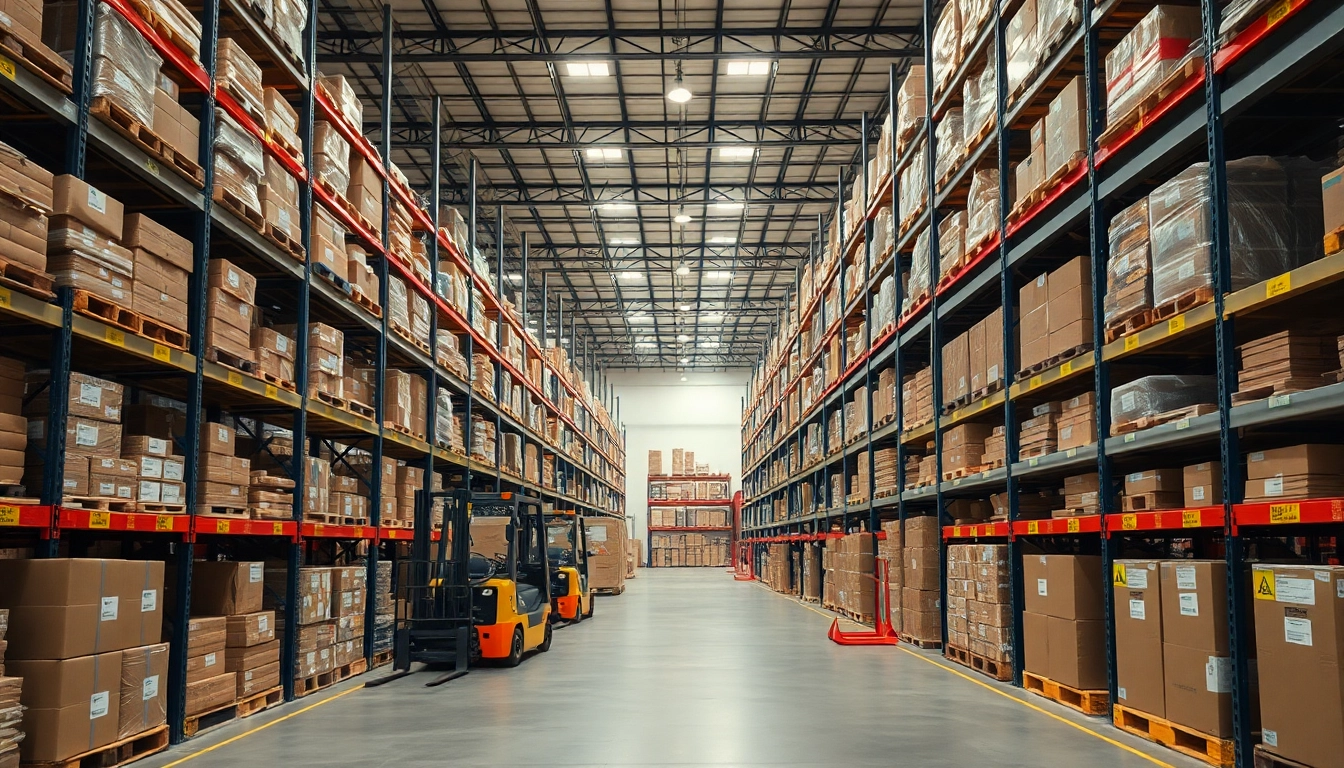
Introduction to Warehousing
The world of logistics operates behind the scenes, ensuring that products make their way from manufacturers to consumers in a timely and efficient manner. At the core of this intricate process lies warehousing, a fundamental component that serves as the bridge between production and distribution. In this comprehensive exploration, we will dissect the nuances of warehousing, delve into its critical role in supply chains, and examine the various solutions available in today’s market.
Defining the Concept of Warehousing
Warehousing is defined as the process of storing goods until they are required for distribution or sale. This storage facilitates the smooth transition of products as they move toward their final destinations, whether that is retail stores, distribution centers, or direct to customers. The term encompasses a wide range of facilities and operations involved in receiving, categorizing, maintaining, and dispatching inventory.
The Importance of Warehousing in Supply Chains
In modern supply chains, warehousing plays a pivotal role that extends beyond simple storage. It aids in managing inventory levels, optimizing transportation logistics, and supporting just-in-time (JIT) manufacturing processes. By centralizing inventory, businesses can reduce costs associated with holding stock while enhancing operational efficiency and responsiveness to market demands. Furthermore, effective warehousing enables companies to maintain better control over supply chain variables, thus minimizing disruptions and delays.
Common Types of Warehousing Solutions
There are various types of warehousing solutions tailored to meet different business needs:
- Public Warehousing: These facilities are owned by third-party companies and are available for lease on demand, making them an ideal option for seasonal storage needs or fluctuating inventory levels.
- Private Warehousing: Companies may opt for dedicated storage facilities to meet their unique requirements, providing greater control over operations and inventory management.
- Distribution Centers: Focused on the efficient transfer of goods rather than long-term storage, distribution centers facilitate speedy order fulfillment and supply chain responsiveness.
- Climate-Controlled Warehousing: These facilities are designed to preserve sensitive items, such as pharmaceuticals or perishable goods, ensuring adequate temperature and humidity control.
Functions of Warehousing
Storage and Inventory Management
One of the primary functions of warehousing is effective storage and management of inventory. By utilizing advanced inventory management systems, businesses can track stock levels in real-time, reduce excess stock, and mitigate the risk of stockouts. Efficient inventory management improves order accuracy by ensuring that products are available as needed, safeguarding against potential revenue loss due to inventory issues.
Order Fulfillment and Distribution
Warehouses play a critical role in order fulfillment, processing customer orders by picking, packing, and preparing products for shipment. This function is central to the customer experience; the speed and accuracy of order delivery directly impact customer satisfaction. In many cases, warehouses employ automated systems to enhance operational efficiency and reduce manual labor, thereby speeding up the fulfillment process.
Supporting Just-in-Time (JIT) Processes
The JIT approach in manufacturing relies heavily on a robust warehousing strategy. Warehouses must be strategically placed to ensure that materials arrive just in time for production, thus minimizing the need for large inventories. This practice not only optimizes warehouse space and reduces holding costs but also ensures that manufacturers can respond quickly to shifts in demand.
Types of Warehousing Facilities
Public vs. Private Warehousing
When it comes to warehousing, businesses typically choose between public and private facilities based on their operational requirements. Public warehousing provides flexibility and scalability since these facilities can accommodate varying volumes of goods. Conversely, private warehouses offer more control and can be tailored to the specific needs of a business, albeit often at a higher cost due to the investments in infrastructure.
Climate-Controlled Warehousing
Climate-controlled warehouses are essential for storing sensitive products that require specific environmental conditions, such as pharmaceuticals, food, and certain chemical products. These facilities maintain stable temperatures and humidity levels to ensure the integrity and safety of stored goods, which is particularly important for compliance with regulatory standards.
Bulk Storage Facilities
Bulk storage facilities are designed to accommodate goods that are stored in large quantities, often utilizing pallet racking systems. These warehouses help in managing high volumes of goods and are commonly used for raw materials and products that do not require immediate distribution. By maximizing vertical space, bulk storage facilities can significantly reduce warehousing costs and improve storage efficiency.
Benefits of Effective Warehousing
Cost Efficiency and Resource Management
Effective warehousing practices lead to substantial cost savings. By optimizing inventory levels and improving turnaround times, businesses can reduce the costs associated with holding excess inventory while maximizing their utilization of resources. Streamlined operations that lower labor costs, improve space efficiency, and minimize waste contribute to a healthier bottom line.
Enhancing Product Accessibility and Flow
A well-designed warehousing system enhances product accessibility, facilitating a well-organized workflow for incoming and outgoing shipments. An efficient layout can streamline the storage process, reduce picking times, and enable faster order processing. This is crucial for businesses seeking to improve their overall efficiency and service levels.
Improving Customer Satisfaction through Fulfillment
In today’s competitive market, customer satisfaction is paramount. Efficient warehousing translates into quicker, more accurate deliveries, which are critical for meeting customers’ expectations. By streamlining fulfillment processes, businesses can build loyalty and reputational strength while minimizing return rates and enhancing customer retention.
Best Practices for Warehousing Operations
Implementing Technology in Warehousing
The integration of technology in warehousing operations has transformed the industry. Automated systems, such as Warehouse Management Systems (WMS), Internet of Things (IoT) devices, and robotics, improve accuracy and efficiency. These technologies support better inventory tracking, optimize picking routes, and reduce human error, allowing for significant operational improvements.
Safety and Compliance in Warehousing
Safety remains a top priority in warehousing operations. Regular training for warehouse staff on safety protocols and compliance with industry regulations can prevent accidents and reduce occupational hazards. Proper workflow design and the use of safety equipment further contribute to a safer working environment, promoting employee well-being and operational continuity.
Measuring Performance and Efficiency
To maintain competitive advantage, businesses must regularly evaluate warehouse performance metrics such as order accuracy, inventory turnover, and fulfillment speed. Key Performance Indicators (KPIs) provide valuable insights that help identify areas for improvement and guide strategic decision-making. Utilizing data analysis enables continuous optimization of warehousing operations.