
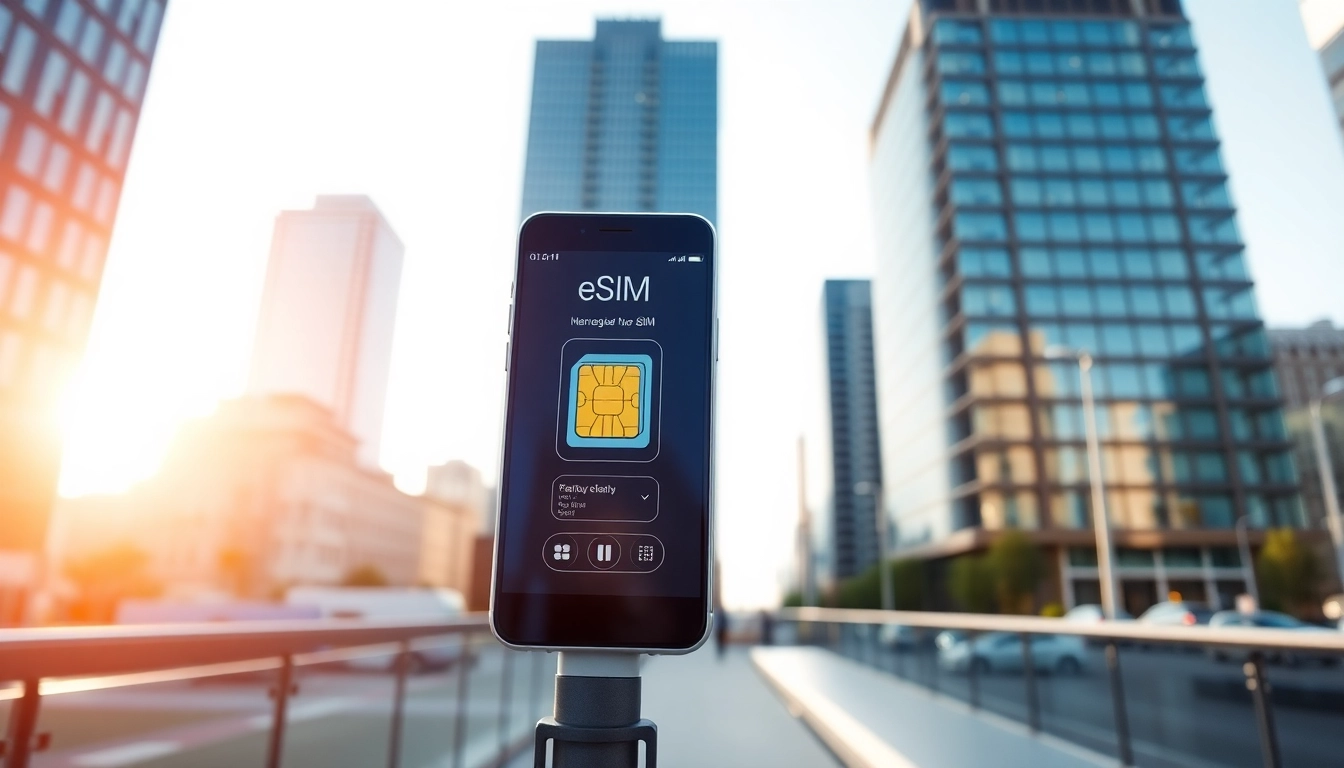
Understanding eSIM Technology
What is eSIM?
An Embedded SIM (eSIM) is a revolutionary technological advancement that is changing the way we connect to mobile networks. Unlike traditional SIM cards, which are removable and require physical handling, an eSIM is built directly into the device. This digital SIM provides the same capabilities but eliminates the need for physical swapping of SIM cards, offering a seamless user experience. As mobile technology advances, understanding what eSIM is and how it operates is essential for consumers and businesses alike.
Differences Between eSIM and Traditional SIM
The pivotal difference between an eSIM and a traditional SIM lies in its physicality. Traditional SIM cards can be removed and replaced, whereas eSIMs are embedded within the device’s hardware. This not only allows for a more compact design in mobile devices but also enhances security, since physically tampering with the SIM card is virtually impossible. Additionally, eSIMs can store multiple profiles, enabling users to switch between carriers without needing to physically change SIM cards.
How eSIM Works
The functioning of an eSIM is underpinned by embedded universal integrated circuit card (eUICC) technology. Users can download and activate mobile plans directly onto their devices without physical SIM cards. When users want a new service, they simply scan a QR code or enter a code provided by their carrier to download the configuration data onto the eSIM. This process not only simplifies onboarding for users but also enhances the efficiency of mobile network operators.
Advantages of Using eSIM
Convenience for Travelers
For globetrotters, an eSIM provides unparalleled convenience. Travelers can sidestep the hassle of purchasing and inserting a physical SIM every time they enter a new country. Instead, they can easily download a data plan from local carriers through their device. This allows for immediate connectivity without long waits at service counters or dealing with language barriers.
Multiple Network Profiles
One of the standout features of eSIM technology is the ability to store multiple network profiles. This functionality means that users can have several operators on a single device, switching between them effortlessly. For professionals who work internationally or residents in border regions, this flexibility can lead to significant savings and improved connectivity options.
Environmental Impact
The environmental impact of eSIM technology is also a compelling consideration. By reducing the production and disposal of plastic SIM cards, eSIMs contribute to a more sustainable approach to mobile connectivity. The compact nature of eSIMs can also allow manufacturers to explore environmentally friendly designs and materials in their devices, minimizing the ecological footprint associated with traditional SIM cards.
How to Activate Your eSIM
Step-by-Step Activation Process
Activating an eSIM is a straightforward process that typically involves these critical steps:
- Ensure your device is eSIM compatible. Most modern smartphones, tablets, and wearables are equipped with this feature.
- Obtain a QR code or activation code from your mobile provider.
- Go to your device settings and select the option to add mobile plans.
- Scan the QR code or enter the activation code when prompted.
- Follow on-screen instructions to complete the activation.
After activation, users should see the new plan within their device settings, allowing them to manage their network usage easily.
Common Troubleshooting Tips
While the activation process is designed to be user-friendly, some users may face challenges. Here are a few common troubleshooting tips:
- Ensure your device is updated: Compatibility issues can arise from outdated software. Always ensure your device’s operating system is current.
- Reboot your device: Restarting often resolves any temporary glitches that could hinder activation.
- Check with your carrier: If problems persist, consult your network provider to confirm that your eSIM has been activated correctly on their end.
Compatible Devices for eSIM
eSIM technology is increasingly adopted across various devices. Compatibility typically includes:
- Latest models of smartphones from various manufacturers.
- Tablets and smart wearables such as smartwatches.
- IoT devices that require cellular connectivity.
Always check the specifications or consult manufacturers or carriers to ensure compatibility before relying on an eSIM.
eSIM vs. Physical SIM: A Comparison
Cost Considerations
The cost implications of choosing between eSIM and a traditional SIM vary based on user requirements and service providers. eSIMs often allow for more flexible payment plans, potentially reducing the costs associated with international roaming. Some providers also offer competitive rates for eSIM-only data plans, further encouraging users to shift to eSIM technology.
Performance Metrics
In terms of performance, both eSIMs and physical SIM cards offer comparable connectivity speeds. However, eSIMs provide a more streamlined experience when switching between networks. The immediate connection setup and availability of multiple profiles enhance user experiences, particularly for those frequently changing carriers or traveling abroad.
User Experience Insights
User experiences tend to favor eSIM technology due to its convenience and reduced hassle in managing mobile connections. Feedback indicates that users find the ability to switch networks quickly is a significant upgrade compared to the traditional process of acquiring and changing physical SIM cards. With added features such as instant plan downloads, eSIMs contribute positively to the overall mobile experience.
The Future of Mobile Connectivity with eSIM
Trends in eSIM Adoption
As consumer demand for flexibility and convenience increases, eSIM adoption is becoming more prevalent. Major telecommunications innovations are anticipated to drive further adoption, with forecasts suggesting that a larger percentage of smartphones sold will support eSIM technology in the coming years. This shift is also bolstered by the increasing number of IoT devices that benefit significantly from eSIM integration.
Innovations in Mobile Technology
The mobile technology landscape continues to evolve, with eSIMs at the forefront of innovation. Future enhancements, such as advanced security features and integration with 5G networks, promise to elevate the functionality and appeal of eSIMs even further. These innovations not only enhance user experiences but also enable service providers to offer superior plans and connectivity options.
Impact on Telecommunications Industry
The transition to eSIM technology portends significant changes for the telecommunications industry. Operators are likely to focus on digital activation channels and customer-centric services, transforming traditional business models. Furthermore, competition is expected to increase as users become more inclined to switch carriers for better service plans without the friction that comes with physical SIM cards.
In summary, understanding and utilizing eSIM technology signifies an important step towards a streamlined and efficient mobile experience, encouraging consumers to embrace this modern approach to connectivity. As the landscape continues to shift, stay updated with sources like https://esimfo.com to make the most of your mobile connectivity options.